My Top Penn List: “Do Over”

Author: Casey Ryan, C’95

Working in academia, I have so many opportunities for education, whether it’s taking a class, listening on a guest lecture, or visiting one of the many museums on campus.  The one thing I can’t do is revamp my undergraduate career.  Recently, while checking out the 2011-2012 course register for potential graduate level classes, I found myself wishing that some of the currently-offered undergraduate classes were available when I was a student.  Here are the 10 elective courses I would have liked to have taken if I could get a “do over” (some descriptions have been edited for length).

10.          LING051 (Linguistics) Proto-Indo-European LanguageNoyer.

Most of the languages now spoken in Europe, along with some languages of Iran, India, and central Asia, are thought to be descended from a single language known as Proto-Indo-European, spoken at least six thousand years ago. Speakers of Proto-Indo-European eventually populated Europe in the Bronze Age, and their societies formed the basis of the classical civilizations of Greece and Rome, as well as of the Celtic, Germanic and Slavic speaking peoples. Students will learn the basis of reconstructing a language and explore the culture and society of the Proto-Indo-Europeans and their immediate descendants. In addition, we will examine the pseudo-scientific basis of the myth of Aryan supremacy, and study the contributions of archaeological findings in determining the “homeland” of the Indo-Europeans.

9.            ENG 019 (English) History of the English Language.

This course traces the history of the English language through English literary history, from Anglo-Saxon England to 21st-century America. We will consider the relationship between different language systems (e.g., syntax, morphology, orthography, grammar) and the relation of those systems to the literature of different historical periods. We will also consider the social and political events influencing language change, such as the introduction of Christianity, the Norman Conquest, the printing press, colonialism, educational policies, and mass media.
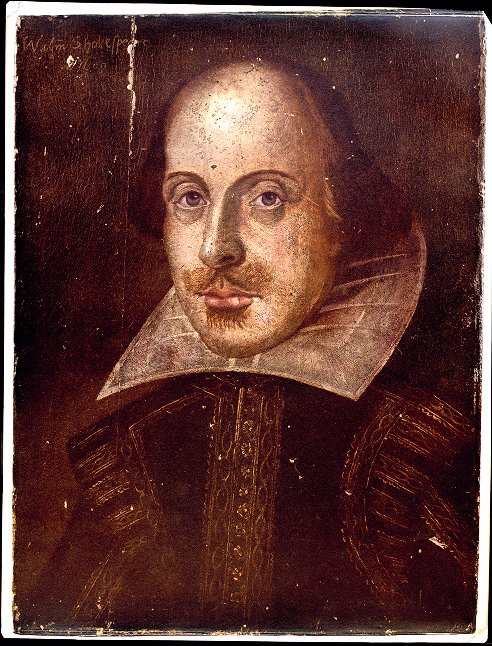
Image courtesy of the Furness Theatrical Image Collection

8.            HIST 050 (History) England and the British Isles to 1707. Todd.

The subject of this course is the history of the British Isles from the Roman Conquest in 43AD to the creation of the United Kingdom in 1707. Between these two dates the various societies and cultures in the British Isles were brought into the orbit of the Roman Empire, converted to Latin Christianity, and developed distinctive cultures and strong ties with the Continent. From the twelfth century on, the kingdom of England began to exert its power over Wales, Ireland, and Scotland. The Anglo-Norman continental empire of the Plantagenet dynasty also played a large part in shaping the English monarchy, as did the playing out of the Hundred Years War, the internal divisions in fifteenth-century English society, and the rise of the Tudor-Stuart dynasty.

7.            PHIL018 (Philosophy) The Idea of Nationalism. Steinberg.

Nationalism is one of, if not, the major geo-political forces of the past two hundred years. Its continuing power has been amply demonstrated by recent events in Eastern Europe and the Soviet Union. This course will focus on the conceptual and theoretical issues raised by competing notions of nationalism, rather than on its history or expression in particular cultures.
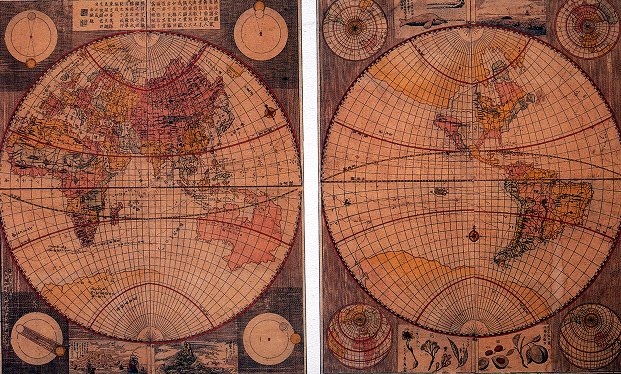
Image courtesy of the Fine Arts Library Image Collection

6.            URBS012 (Urban Studies) The History and Politics of Space. Schneider.

How do we understand the places in which we live? What is the relationship between workplace and home, downtown and suburb, inner city and gated communities, department store and mall, row house and ranch house? How are our lives defined by place? The city is a social and a spatial system, and its organization both reflects and reproduces social categories of race, class, and gender. The current city is also the product of past decisions about where to locate communities and how to allocate resources. Through reading sociological, historical, theoretical, and primary texts, through studying maps and photographs, and through your ethnographic explorations, we will explore the presence of the past in the city around us, the evolution of different kinds of urban and suburban places, and the encoding of wealth and power as well as inequality and poverty in the urban landscape.

5.            IPD509 (Integrated Product Design) Needfinding.

Needfinding is an approach that puts people and their needs at the center of product development and business strategy creation. Over 90% of new products introduced into the marketplace fail. A good portion of these failures are due to lack of understanding of end consumers and their needs. Designers and engineers need tools and techniques to get beyond what people can explicitly state and determine their implicit needs. In this class students will gain a tool set from which to develop their own approaches to conducting researching for design: learning how to think about other people, about culture, and about new perspectives. They will also learn tactical skills: how to define research questions, how to conduct observations and interviews, how to interpret results, how to synthesize them into fodder for design, and how to communicate their findings in a way that is compelling and actionable for designers, marketers, and business strategists.

4.            GSWS240 (Gender, Sexuality & Women’s Studies; Cross listed HIST240) Gender and Athletics. Miller.

Have women started to “play hardball” on a “level playing field” in the American sporting culture? From the commercial successes of the WNBA and World Cup Soccer to new studies that document the positive effects of athletics on girls’ self-esteem, women finally seem to be turning the American obsession with sports to their own advantage. This course will examine how physical fitness and organized athletics for men and women have both reflected and helped to create norms of masculinity and femininity over the past one hundred and fifty years.

Image courtesy of the of Women's Club Basketball Team

3.            PSCI135. (Political Science; Cross Listed GAFL135 – Government Administration and HSOC -135 – Health and Societies) The Politics of Food. Summers.

This academically based community service seminar will explore the politics and institutions that have shaped – and continue to shape – food production and consumption. Students will use the readings, their community service, and ongoing “food events” at Penn to analyze the politics of food in many arenas: from farms, kitchens, supermarkets, schools, and communities of faith to corporations, research institutions, the media and international trade.

2.            MUSC014. (Music) Songwriting in the 20th Century. (M) Weesner.

This course will alternate between an analytical approach and a critical approach to the study of a wide range of songs composed throughout the 20th century. We will study musical techniques such as melody, harmony, form, rhythm, instrumentation, style, and text-setting. We will also pose far-ranging questions, such as, what makes a song a song? What makes a song a good song? What is the difference between an art song and a pop song? This course will occasionally focus on specific composers, such as Cole Porter, Charles Ives, John Harbison, and Liz Phair, and will also consider the musical ramifications of collaboration, covers and re-makes.

1.            ANTH 230 (Anthropology; Cross listed ANTH633) Forensic AnthropologyMonge.

This course will investigate and discuss the various techniques of analysis that biological anthropologists can apply to forensic cases. Topics include human osteology, the recovery of bodies, the analysis of life history, the reconstruction of causes of death, and various case studies where anthropologists have contributed significantly to solving forensic cases. Discussions will include the limitations of forensic anthropology and the application of DNA recovery to skeletal/mummified materials.
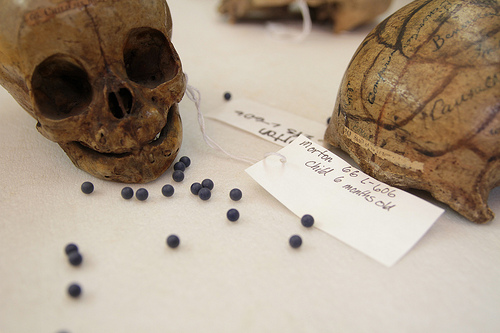
Image courtesy of the of Penn Museum Blog

I encourage you to wax nostalgic and peruse the course register, maybe your favorite class is still being taught by your favorite professor or you might find a course that inspires you to go out and learn more.
1 Comment

Filed under Academics, Alumni Perspective, Campus Life, Casey R., Top Ten

La Casa Latina Receives Largest Donation in History

Author: Cecilia Ramirez, C’05, SP2’10

If you graduated before 1998, you may not be familiar with La Casa Latina: The Center for Hispanic Excellence, the University of Pennsylvania’s only cultural resource center focused on Latino students and interests. To many Latino Penn alumni, however, we remember La Casa Latina fondly; a source of food, a group of shoulders to cry on, a great spot for naps, a team of life coaches, a designated homework (and procrastination) hub and, of course, a home away from home while at Penn. Being one of these former (and current) residents of this special casita, I was especially delighted to hear that an alumna recognized the vital importance of this center and made a generous donation. The Association of Latino Alumni will be featuring this story in its upcoming newsletter but I wanted to give you a sneak peak at the big news here:

Johnny Irizarry, Director of La Casa Latina

This past spring, The Center for Hispanic Excellence received a gift commitment of $20,000, its largest donation in history! Ruth Colp-Haber C’81, WG’85 (pictured below) is the generous donor and decided to contribute because of her strong connection to the Latino community and after an inspiring visit to La Casa.  Ruth explains her motivation:

I feel forever indebted to Penn for many reasons but perhaps the most important was mastering Spanish after studying abroad in Seville, Spain during my junior year.  These language skills enabled my husband and I to go to Colombia, South America to adopt our daughter, Carly.  Everyone in Colombia was impressed with my Spanish banter and my desire to raise a bilingual daughter.  Both Carly and I are now fluent Spanish speakers.

Ruth Colp-Haber, C’81, WG’85 and her family

I love the Spanish language, culture and people and wanted to do something to help promote these causes at Penn while also assisting deserving students.  Thus, a gift to La Casa Latina seemed very worthwhile.  Now that my daughter is 14 years old, I look forward with excitement to the possibility of her attending Penn and spending time with the wonderful students at La Casa Latina.

Johnny Irizarry, the Director of La Casa Latina expresses his excitement over this announcement, “The students, staff and advisory board members of La Casa Latina are extremely honored by the generous investment made by Ms. Ruth Colp-Haber in support of our programs and services. It is inspiring to receive such a donation from a Penn Alumna. It affirms the value of our role in furthering the University’s commitment to diversity.”

This is truly a historic donation and it cannot stop there! I hope Ruth’s generosity will inspire even more people to give towards such a remarkable place like La Casa.

Congratulations, La Casa Latina!

Leave a comment

Filed under Alumni Perspective, Cecilia R., Multicultural Outreach

Penn Alumni Webinar: What Do We Know About Autism?

As part of Penn Alumni Education’s commitment to bringing intellectual and academic programming to alumni, Office Hours gives you the chance to learn about and discuss relevant issues with Penn faculty from your own home or office.

Next week, hear from Dr. Jennifer Pinto-Martin, the Viola MacInnes/Independence Professor of Nursing, and Interim Chair in the Bio-behavioral and Health Sciences Division, as she discuss what current sciences can tell us about autism, reviewing what is known about the causes of ASD and ongoing studies, including her CDC funded Study to Explore Early Development (SEED).

Over the past 20 years, the prevalence of Autism Spectrum Disorder (ASD) has increased markedly, spurring increased attention, speculation and research about the cause. Significant media attention has been given to recently published data on the disorder’s genetic heritability, non-genetic risk factors, and risks associated with SSRI’s, one group of commonly used antidepressant medications (see below for links to recent articles in Time and The New York Times), all of which confirms that both genes and environment matter.

The webinar will be held on Tuesday, July 26 from 1-2 PM EST. Registration and additional information available here .  It’s easy to sign up and be part on this timely and important discussion.

Leave a comment

Filed under Academics, Alumni Programming, Lisa V.

Save 2nd Base: 2011 Penn Co-Rec Summer Softball CHAMPIONS!

Author: Stephanie Yee, C’08

I love Penn in the summer because the campus is green and quiet, and the food truck lines are not as long (except maybe at Magic Carpet). Another great Penn summer tradition is co-rec intramural summer softball. Departments around Penn put together softball teams, and the teams are divided into two leagues (National League and American League – just like in MLB). Teams in the same league play each other during the regular season, and then there are play-offs. The winner of each league advances to the Championship Game, which is played on Franklin Field.

After a few years in the summer softball community, you start to recognize some familiar names. For example, Penn Chem Isotopes (Chemistry Department) and Museum Rocks (Penn Museum) have been around for years. My all-time favorite name is the Home RN’s (School of Nursing). Team Captain Troy Majnerick changes the name of his softball team every year, so the big reveal is always exciting. One year we were Dwight’s Army of Champions (The Office, anyone?), and last year we were Habitual Line Steppers. This year, Troy’s softball team, Save 2nd Base, had two great things going for them. First, they were defending champions. Second, they were playing for a great cause. Save 2nd Base is a breast cancer apparel company whose proceeds fund breast cancer research, education, and awareness programs through the Kelly Rooney Foundation.

Save 2nd Base team members donated $1 to the charity for every game they won during the regular season. They went 10-0 this year, so that’s $10 per team member in addition to the $550 they raised as hosts of Socially Conscious Philadelphia’s July event. At the end of the season, the team had collected close to $1,000 for breast cancer awareness and research. AND they won the championship game! AGAIN! These players are true champions.

Save 2nd Base: 2011 Penn Co-Rec Summer Softball CHAMPIONS!

Anyone with a PennCard can play summer softball, so I encourage all Penn staff, graduate students, and undergraduate students who are on campus during the summer to find a team to join. It’s great fun, and you meet Penn people from all over the university. Save 2nd Base lives for summer softball, and I can see why. They are two-time champions now. CONGRATS!

2 Comments

Filed under Alumni Perspective, Stephanie Y., Volunteering

Consequence-Free Burrito is No Urban Legend; Lives and Thrives in Our Nation’s Youth

Author: Leigh Ann P.

If my mom had suggested to my 14-year-old self that it would be a good idea for me to spend the summer at venture capitalist camp at Wharton, I would have groaned, “Ugh, MOM!” and stomped back up to the roof to work on my tan sunburn. What is it with parents and their lack of understanding?

These days, when July rolls around on Penn’s campus, I am amazed at the go-getter high school students that infiltrate Locust Walk. It’s amazing to me that these kids have the ambition and the intellectual wherewithal to take advantage of their summer months further educating themselves and getting a leg up in advance of the college admission process.

When I was 14, I was thinking about three things: “When I will get my braces off?” “Do I have food stuck in my braces?” and, “What time do the ‘Hey, Dude’ reruns come on Nickelodeon in the afternoons? Am I too old to still be watching ‘Hey, Dude’?” I guess technically that was four things.

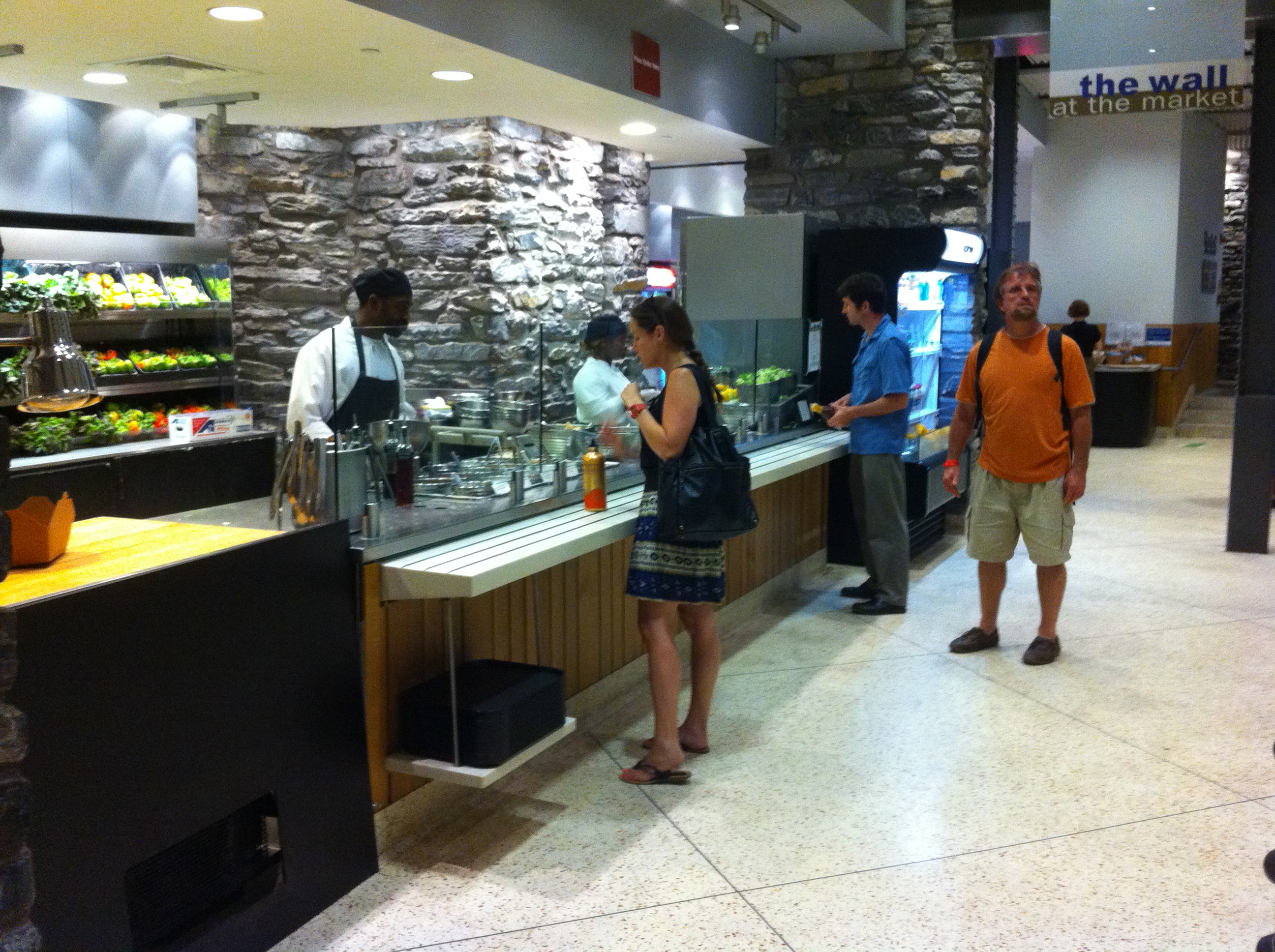
What’s really great about having all the high schoolers on campus is that the salad line at Houston Hall is so much shorter than during the regular school year, even when it’s shoulder-to-shoulder traffic down there. Remember when you were a teenager and could eat a steady diet of pizza, burritos and pasta without any consequences? Yeah, me neither. Enjoy your digestive freedom while it lasts, kids.

No salad for me ... not until I'm old like the Alumni Relations staff members.

I laugh in the face of grease and cheese!


For more information about Penn’s summer programs for high school students, check out this link.

Leave a comment

Filed under Academics, Food Fiends, Leigh Ann P., Penn High School, Penn in the Summer

I Remember…Being Pre-Med

By: Elizabeth K.

At Penn, it felt like everyone knew exactly what they wanted to do when they graduated, from the minute hellos were said to new roommates freshman year.  Especially the Wharton students, who not only knew what they wanted to do but also wanted to go into fields I’d never even heard of!  For instance, consulting.  When someone told me she wanted to do that I thought , “So is that like when a friend tells me about a problem with a boy and I tell her what she should do?”  Thank god I never verbalized my confusion, although honestly I still have no idea what consultants actually do and why they get paid so much for doing it.  Anyway, everyone I knew had their career, in some cases ones I didn’t even know existed, planned out.  In the meantime, I was completely undecided when it came to my major and my life.

At Penn, it was socially acceptable to say you were doing certain things after graduation.  Something Wharton-y like banking, something engineering-y (I’m not even going to pretend to know what their fields are), nursing and if you were in the College you went to either law school or med school.  Anything else and you felt terrified that you were inadequate and doomed for a life of failure.  So, when I found myself undecided I knew I needed to remedy that, and fast.

When I started at Penn I signed up for four classes – Calculus, Biology, The Symphony and Spanish 4.  I signed up for them to fill requirements and because I liked them.  Yes – I liked Calculus and Biology!  I started these classes freshman year and realized almost every single person in my Calc and Bio classes was pre-med.  So, I became friends with the pre-meds and learned about all of the classes I needed to take for medical school.  Before I knew it, I decided to be pre-med too!  It felt awesome to have a life direction!  Now I was part of all of those, “What will you do when you graduate?” conversations!

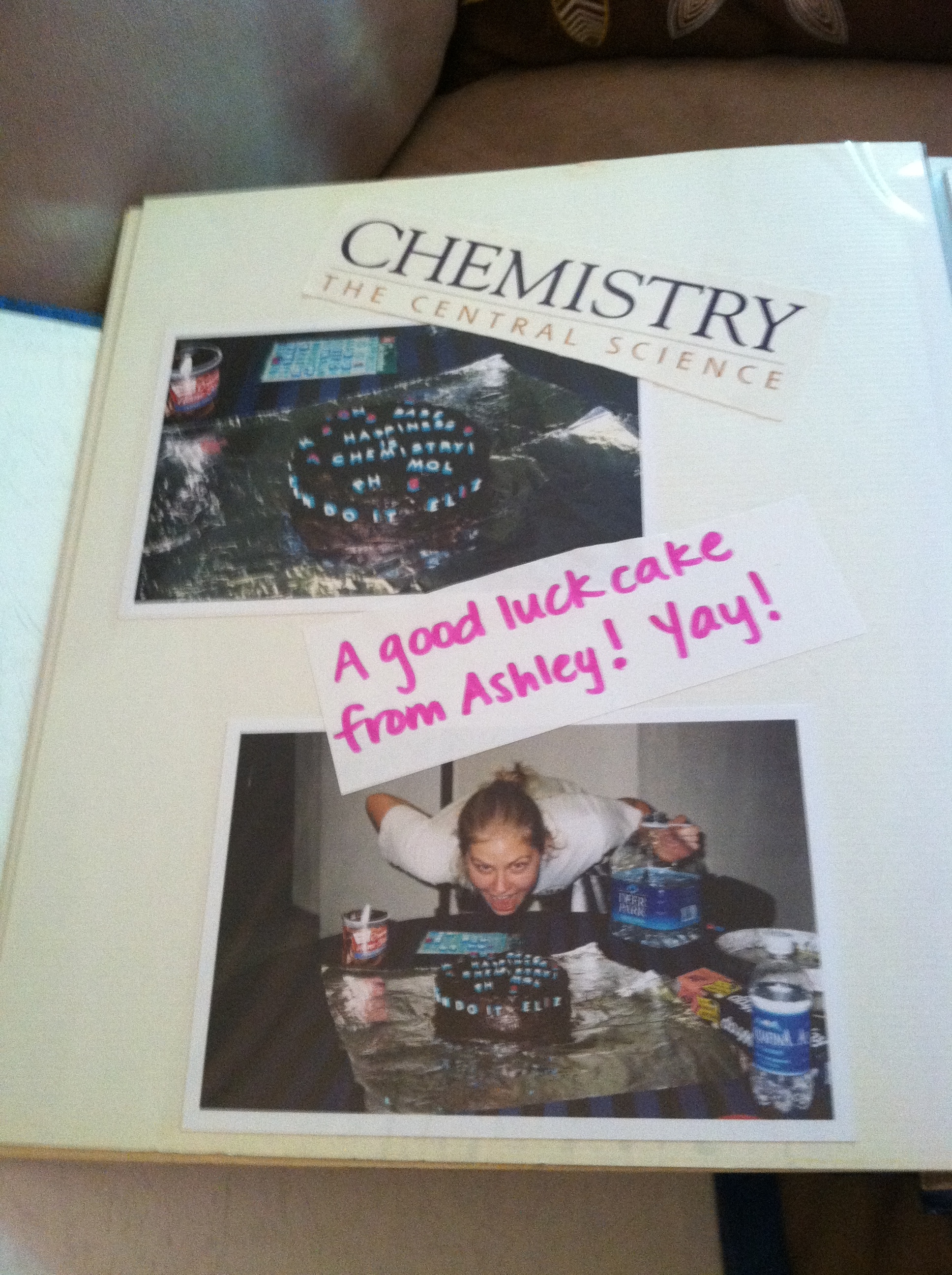
A page from one of my college scrapbooks – proof that I was taking my pre-med courses! One of my amazing best friends from Penn made me this cake before a big chemistry test.

Close up of the cake! It was delicious

Everything was going fine until junior year hit.  I was sitting in Organic Chemistry, listening to the professor drone on, pretty positive that I would never understand what he was talking about, and I had this little thought, “Elizabeth.  Being a doctor isn’t worth a year of this class.”  A couple days later, my then-boyfriend, who was also pre-med (and today is a wonderful oncologist!), said to me, “You should really volunteer at HUP with me.  I play bingo with cancer patients and it’s great.  Plus, it will look really good on your med school applications.”  I said, “Oh, that’s nice but no thanks.  I don’t really like being around sick people.”

YEAH.  I KNOW.

It dawned on me.  I didn’t actually want to be a doctor.  I just wanted so badly to know what I was going to do with the rest of my life and be a part of the Penn pre-professional culture, that for two years I was pretending I had found my life calling.

I wish I could say it was smooth sailing from there, but it wasn’t.  Since I wasn’t going to be pre-med, I HAD to do something or end up at the dreaded “I don’t know where I’ll be after I graduate” bar during senior week.  Since I was a successful student in the college, I did what any sane undecided junior would do  – I became pre-law!  Only this time I actually followed through, took the LSATs, went to law school (which I loved) and practiced law for a couple of years.  Needless to say it wasn’t for me.  And, after some soul searching and being really honest with myself about what I wanted in a career, I wound up back where I started, at Penn.  I feel very lucky that I can say I truly like my job and while my path to working in Higher Education Administration was roundabout, I know I ended up in the right place for me.

I loved my time at Penn, but looking back I wish I had enjoyed my academic ride a little bit more.  I should have enjoyed learning just for the sake of learning, and shouldn’t have wasted so much time and stress concerned with what would happen after I got my diploma.  So, to all the Penn undergrads reading this (soapbox alert!) – enjoy your four years of college!  This is such a special time in your lives.  And, if you are in the dreaded “undecided” category, you’ll figure it out along the way, I promise.  Even if your path isn’t obvious or prescribed, you’ll find your way to happiness.
1 Comment

Filed under Elizabeth K.

The West Coast Regional Office meets Carmageddon

Author: Kiera Reilly, C’93

Many of you might not realize it, but Penn has a regional development and alumni relations office in Los Angeles. While the location has changed a few times, there has been a Penn presence on the west coast for well over twenty years.

Currently, there are 3 Penn staff people in the LA office, and we wave the Penn flag for the over 9,500 alumni in the greater Los Angeles area, as well as a similar number of alumni in the Bay Area. We also work with alumni, parents and friends in Colorado, Utah, Nevada, Oregon, Washington, Alaska and Hawaii.

Pictured: Penn Western Regional Office Staff: Elizabeth Fields, Kiera Reilly, C’93, and Jonathan Martinez

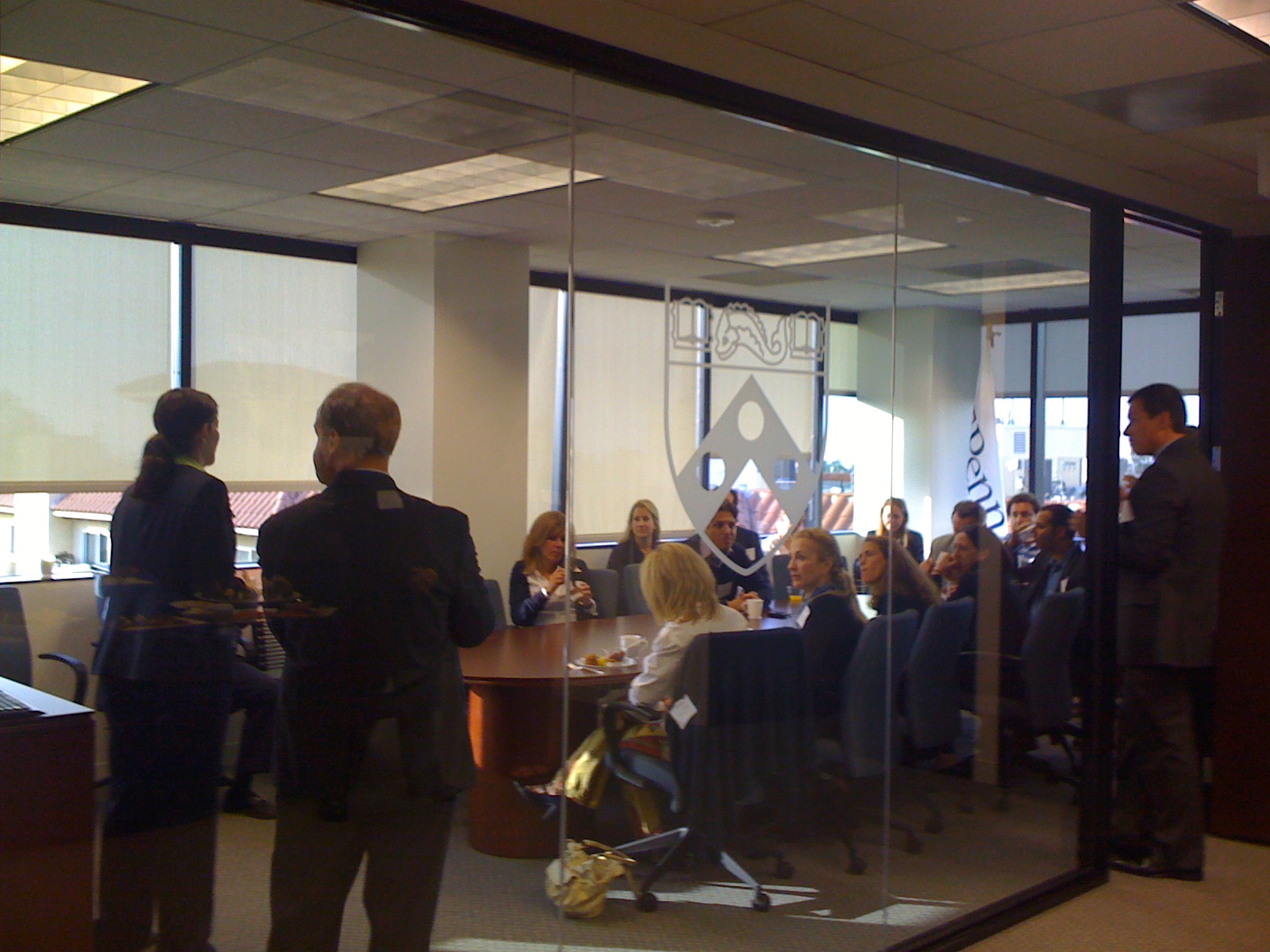
We have been in our current location for just a year. Last September we invited top volunteer leaders for a breakfast meeting and an update on the latest news from Penn.

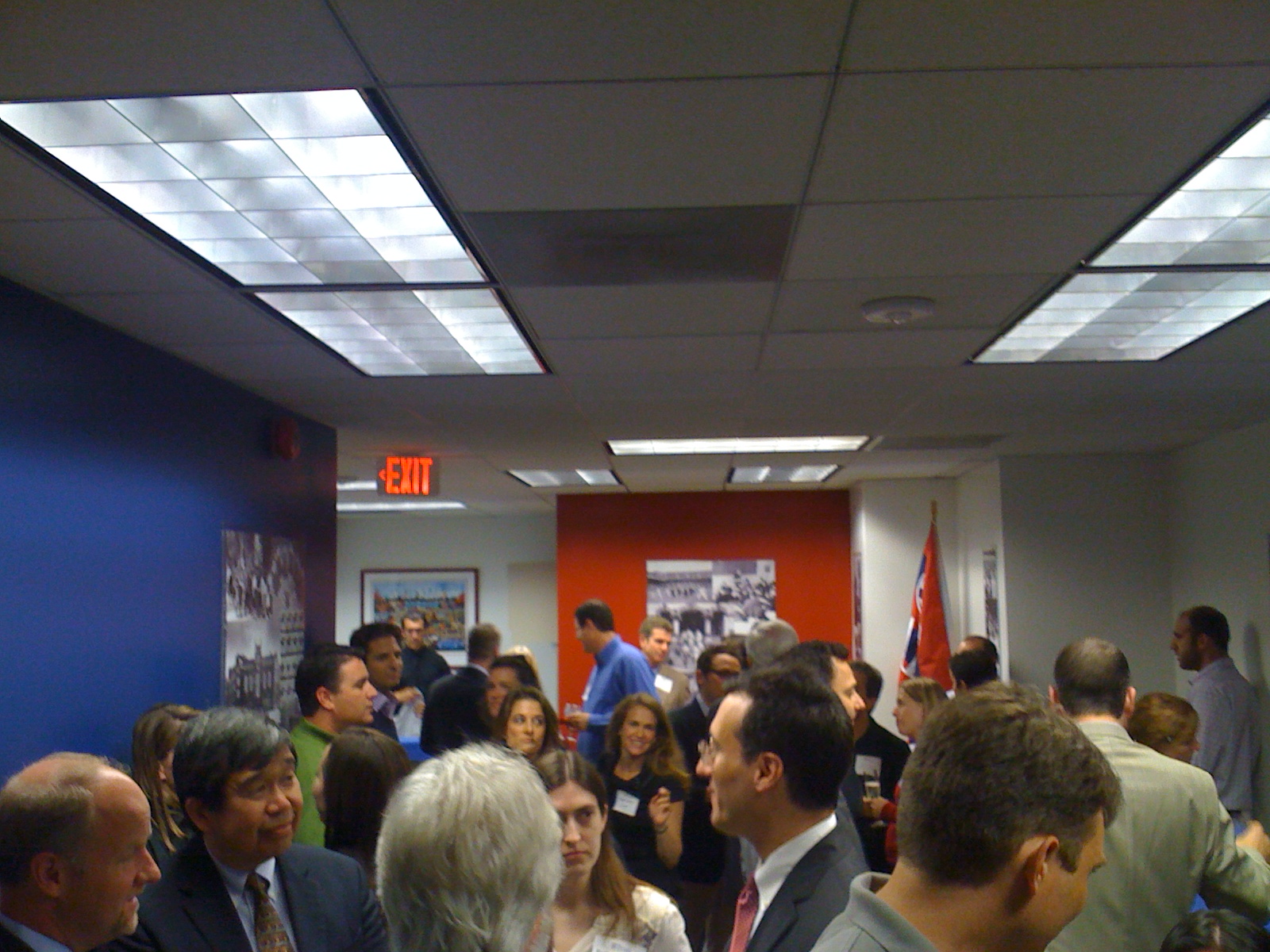
We also hosted an open house and invited all alumni to stop by and see our new digs.

Most people, when they think of Los Angeles, probably think of beaches, palm trees and movie stars.

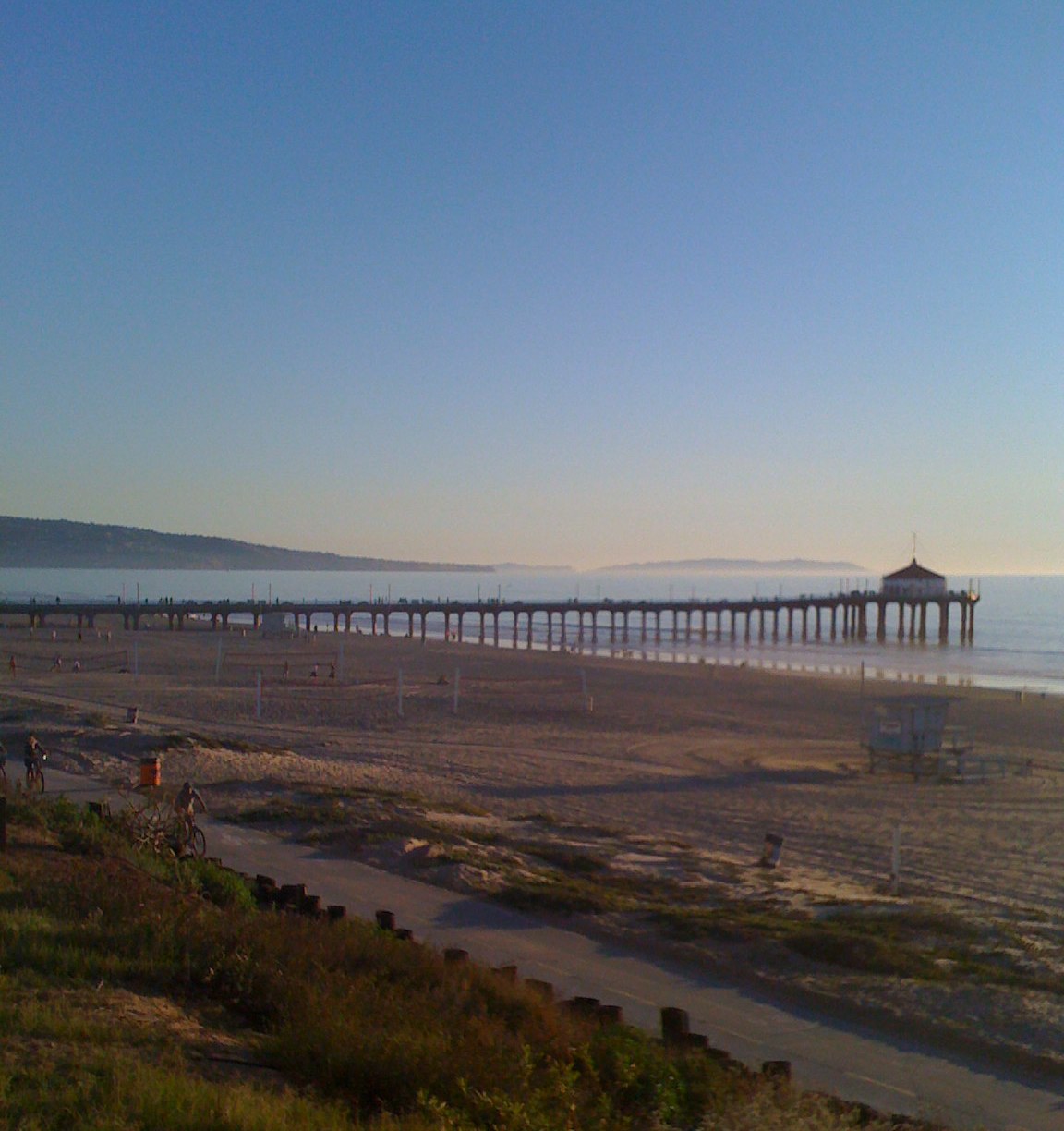
Manhattan Beach Pier with Palos Verdes and Catalina Island in the background

Beach Volleyball is a popular weekend activity at Los Angeles beaches

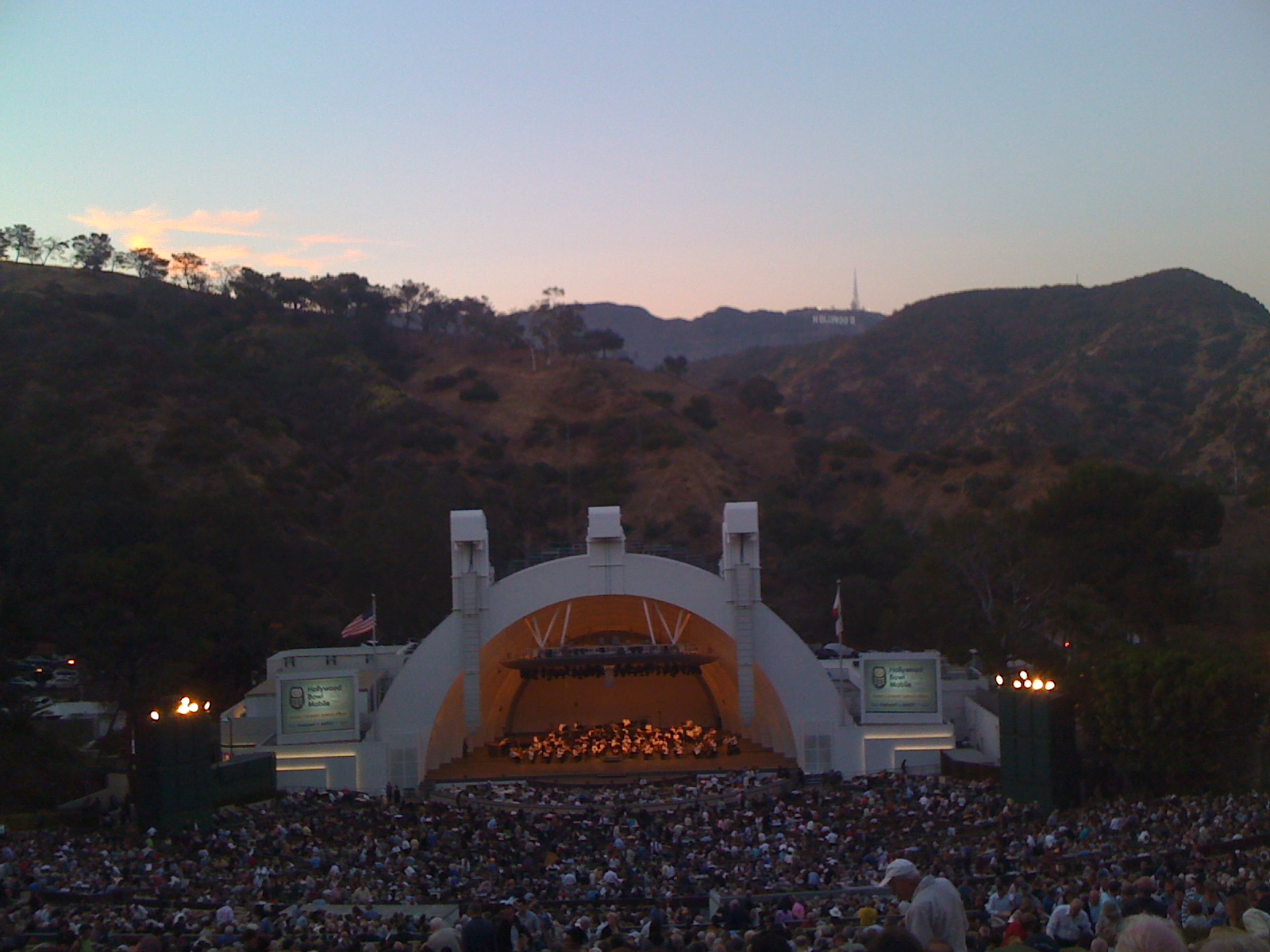
Summer nights are spent at concerts at the famous Hollywood Bowl

And it’s true, we do have all of that. But we do work too.

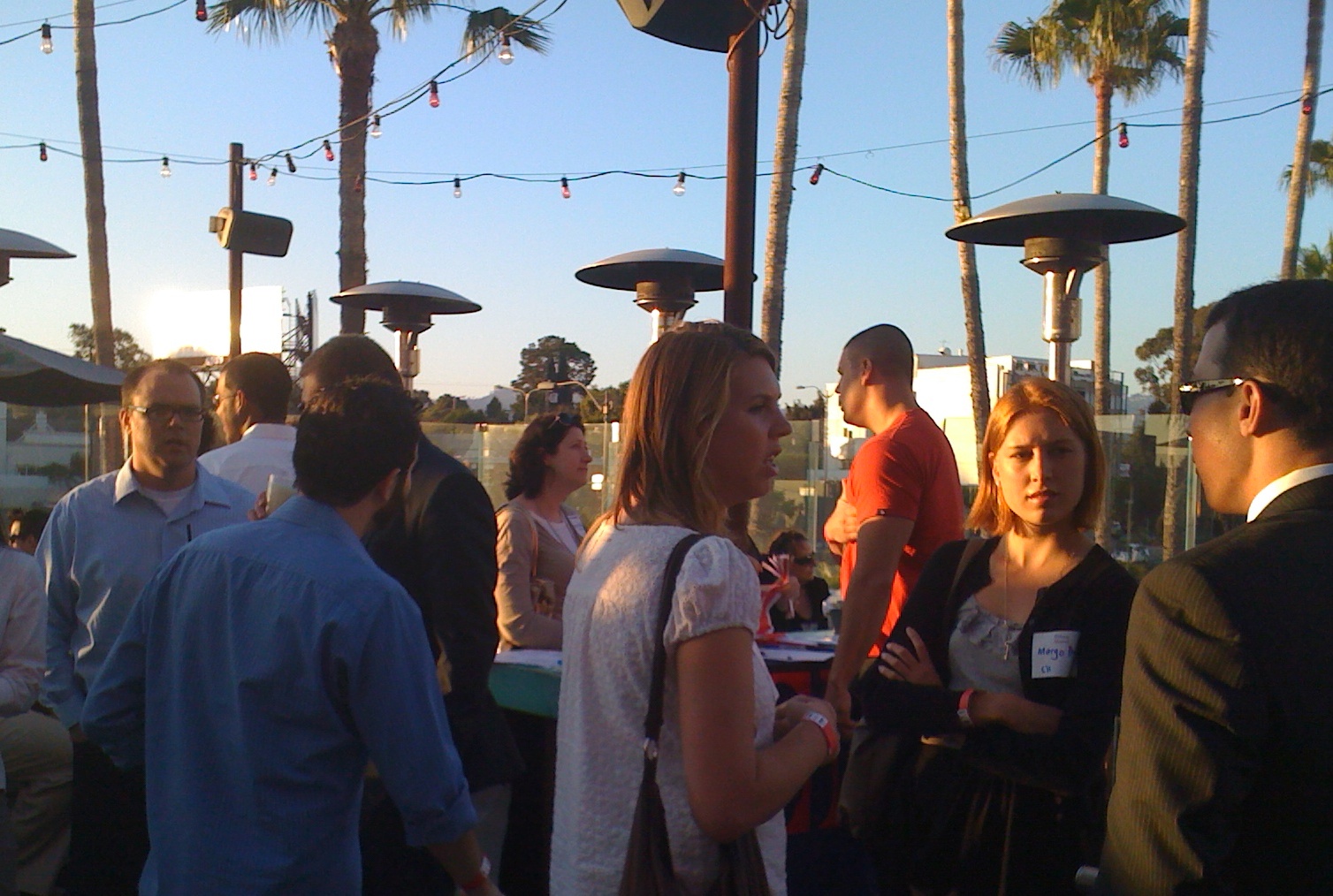
There was a huge gathering for a PENNtertainment happy hour last August

And the Penn-Wharton Beach Party is always a hit. This year, the event is August 18th  – maybe you can join us? (click here to purchase tickets: http://www.pennclubla.com/article.html?aid=1157 )

Penn-Wharton Beach Party on the beach in Santa Monica

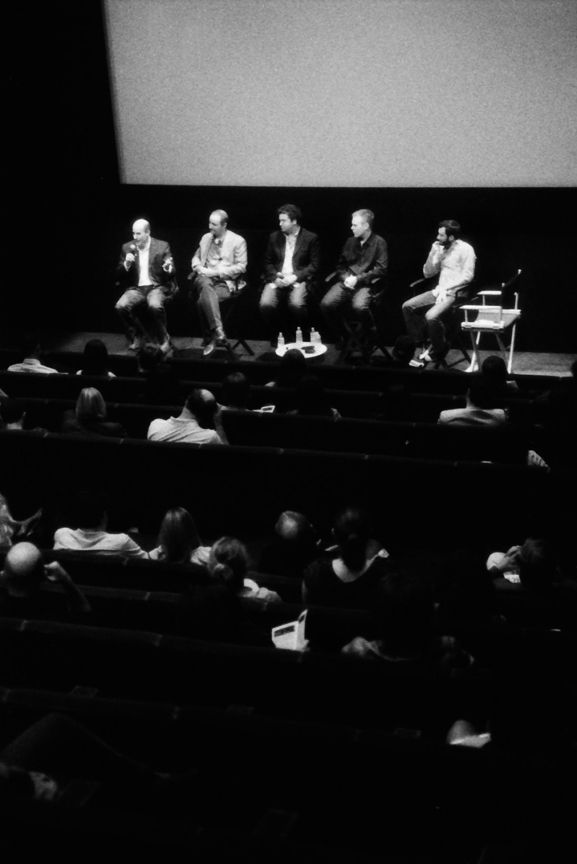
PennClubLA’s Penn in Pictures event always draws a crowd too. Here’s a photo from the October event.

Penn in Pictures photo credit: Jay Matsueda, W’95

But, this weekend, we are worried. You see, we survived “the Rapture,” but now we have a much more serious omen looming over our beautiful city.

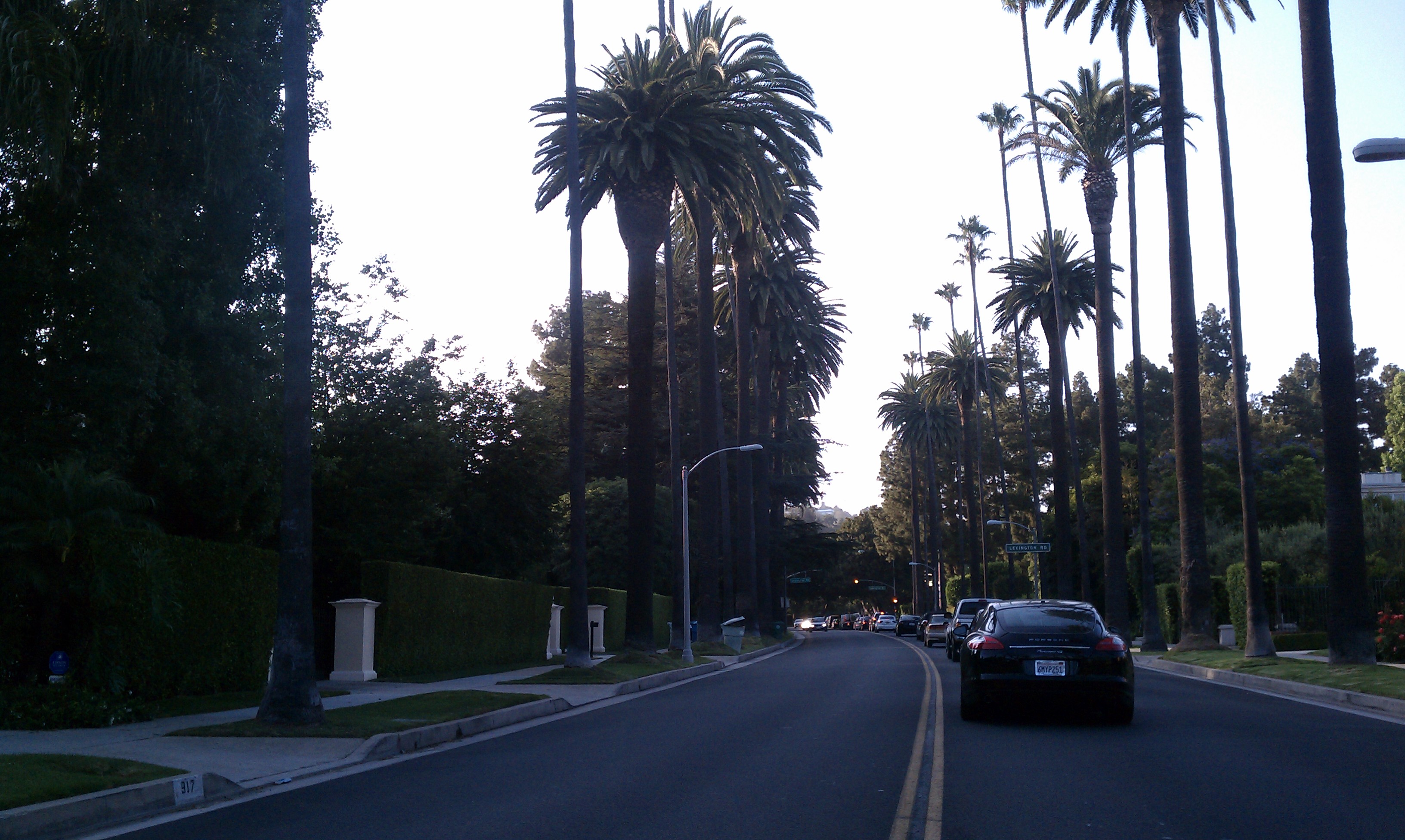
Probably everyone has heard horror stories about LA traffic.

And it can be pretty bad, even on a normal day. Even after rush hour. Even in the middle of the night. But, this weekend, we are facing something entirely different. It’s so ominous there’s an official name for it:

Carmageddon.

It’s even trending on Twitter (#carmageddon) and the Los Angeles Times is posting official updates via @LACarmageddon.

The 405 Freeway, one of the major north-south freeways on the west side of Los Angeles, is being shut down this weekend. Normally 550,000 cars drive on this road each day.

The 405 as it intersects the 10 Freeway, the starting point of the closure this weekend.

The 405 Freeway heading north at the Santa Monica Blvd. exit

The freeway is being widened for a carpool lane, and an overpass is being demolished over the weekend. So the stretch of the 405 between the 10 freeway and the 101 is being closed starting late Friday night through early Monday morning.

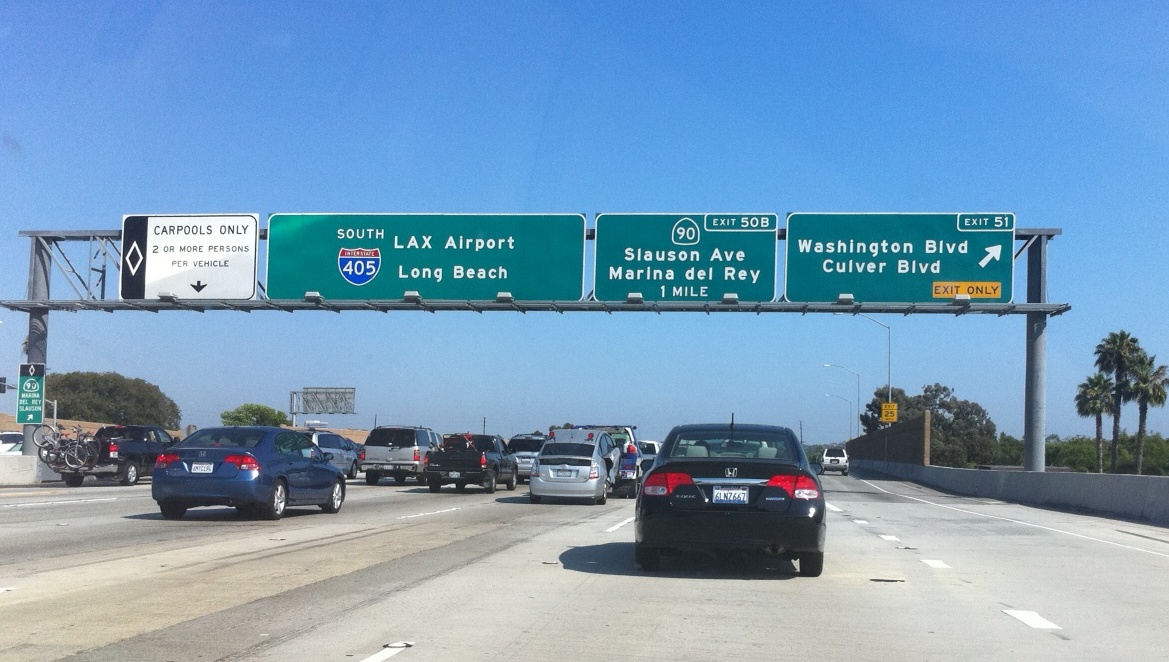
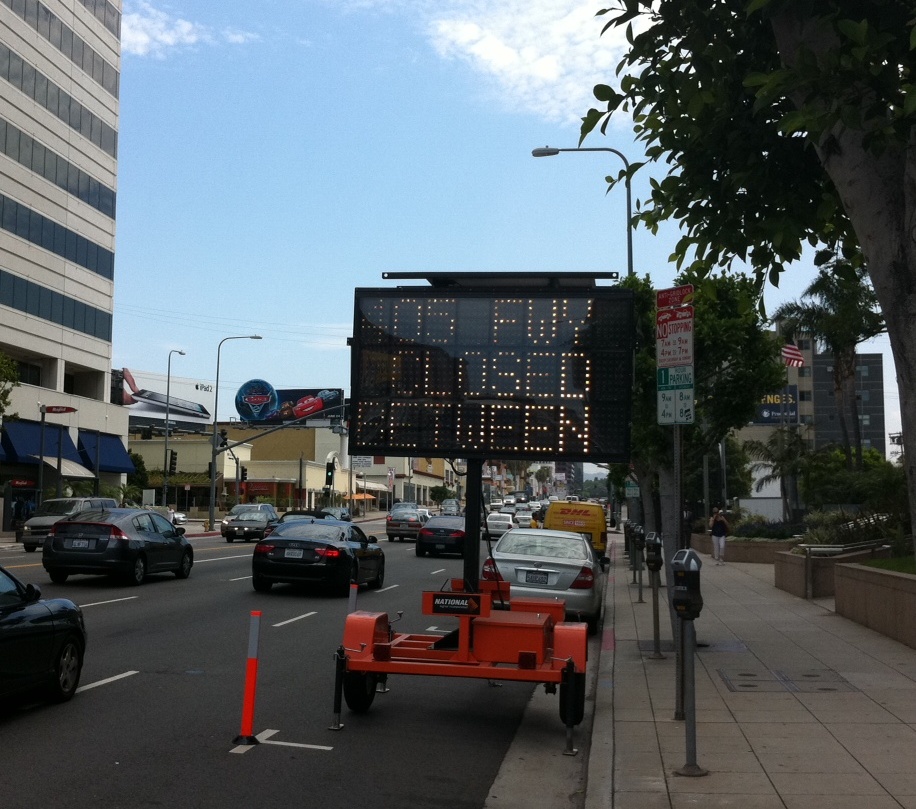
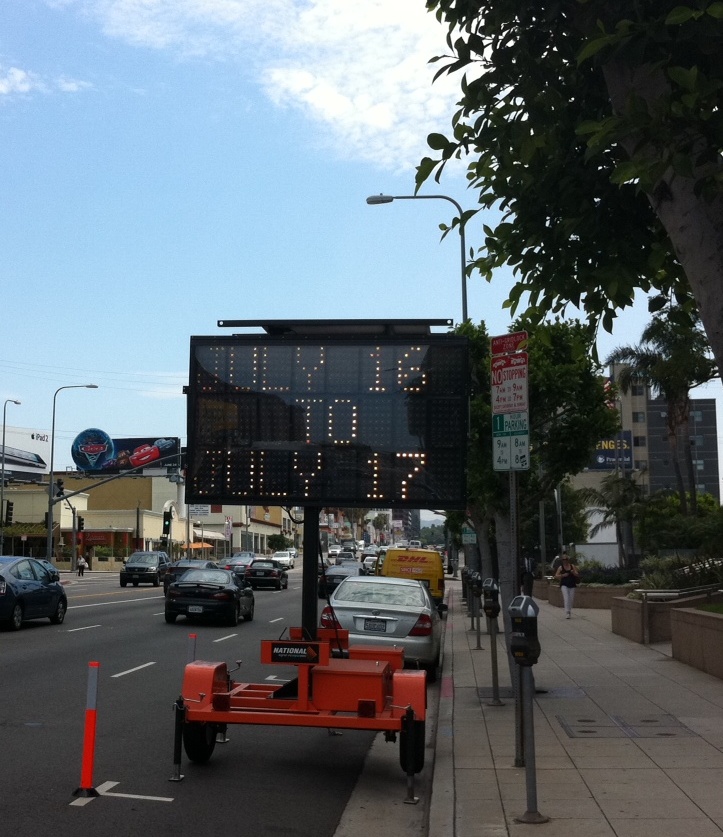
There have been signs on the freeway and local streets for months alerting us to this impending “Big Delay.”

Now that the weekend is upon us, people are preparing for the worst. Many businesses are closing. Offices are shutting and asking employees to work from home. Celebrities were asked to tweet about it to their followers. LA County Supervisor Zev Yaroslovsky has some poignant advice for worried motorists:

The best alternative route is to totally avoid the 405 area, completely avoid it, don’t come anywhere near it, don’t even think about coming to it. Stay the heck out of here.
(courtesy of  http://www.autoblog.com/2011/06/07/planned-405-freeway-closure-has-la-motorists-thinking-carmageddo/)

The national media is reporting the story – I’ve seen articles in the New York Times and heard a story on NPR last week. This USA Today article does a good job of explaining the impact this closure will have all over Los Angeles and beyond: http://www.usatoday.com/news/nation/2011-07-12-traffic-LA-405-closing_n.htm. There’s a website that lists all the specials local businesses are offering for residents that stay local: http://www.car-mageddon.com/cmg/Home.html . JetBlue is even offering $4 fares for flights from Long Beach to Burbank to avoid the gridlock.

It’s pretty much the biggest story to about the 405 since O.J. and his white van were filmed cruising on it in 1994.

Hopefully, Los Angeles will survive this latest inconvenience. After all, we have to get ready for Penn vs. UCLA Basketball in Anaheim on Dec. 10th!

Leave a comment

Filed under Kiera R., West Coast Regional Office

Big Dade on Campus (BDOC)

Author: Emily Siegel

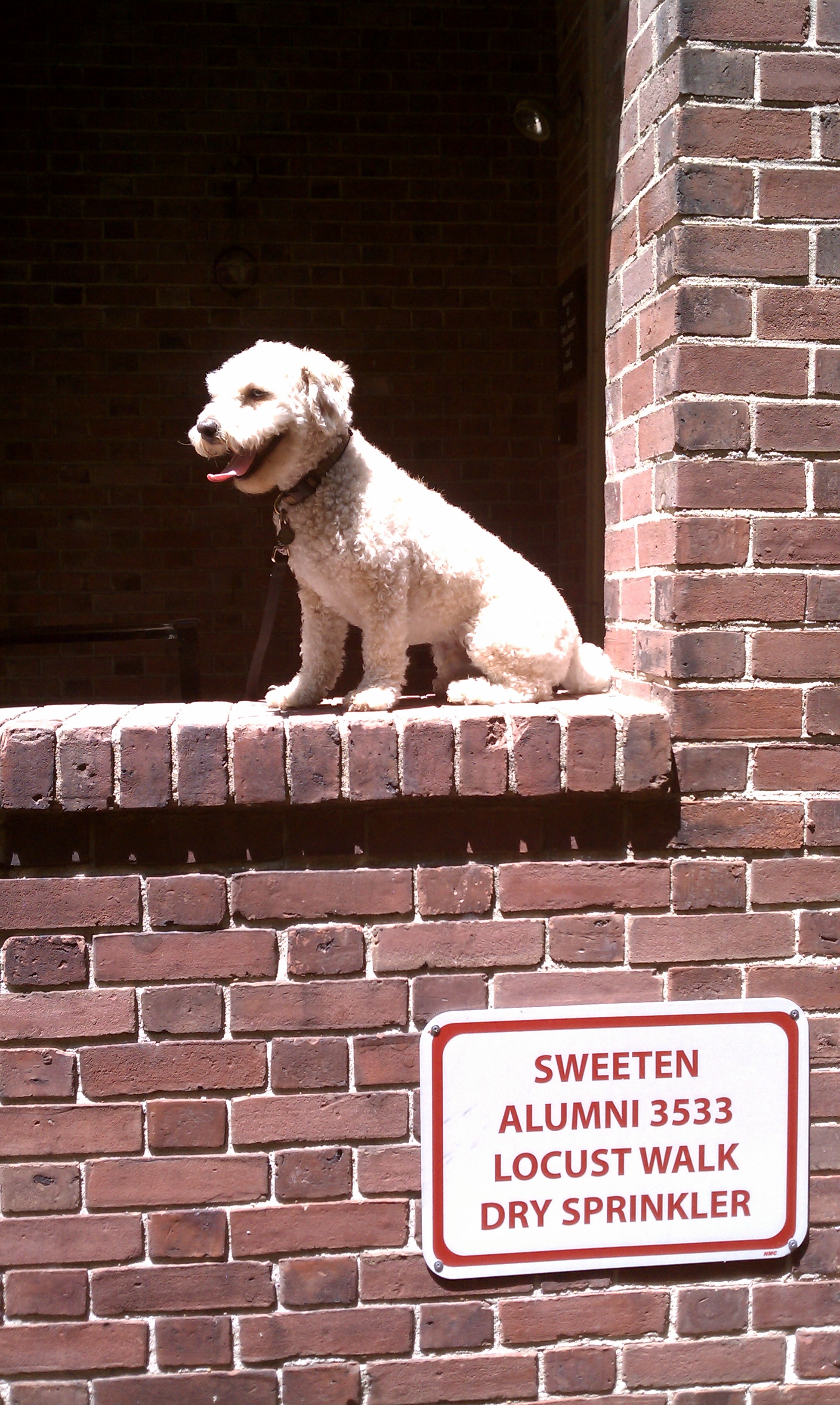
Each year high school students flood the campus in the summer months to determine if Penn might be a good college fit for them.  As a top-notch research university it comes as no surprise the campus receives thousands of visitors each year, but it appears that Penn’s popularity knows no boundaries.  In a first for the University, Penn has officially garnered interest from the canine persuasion as well!

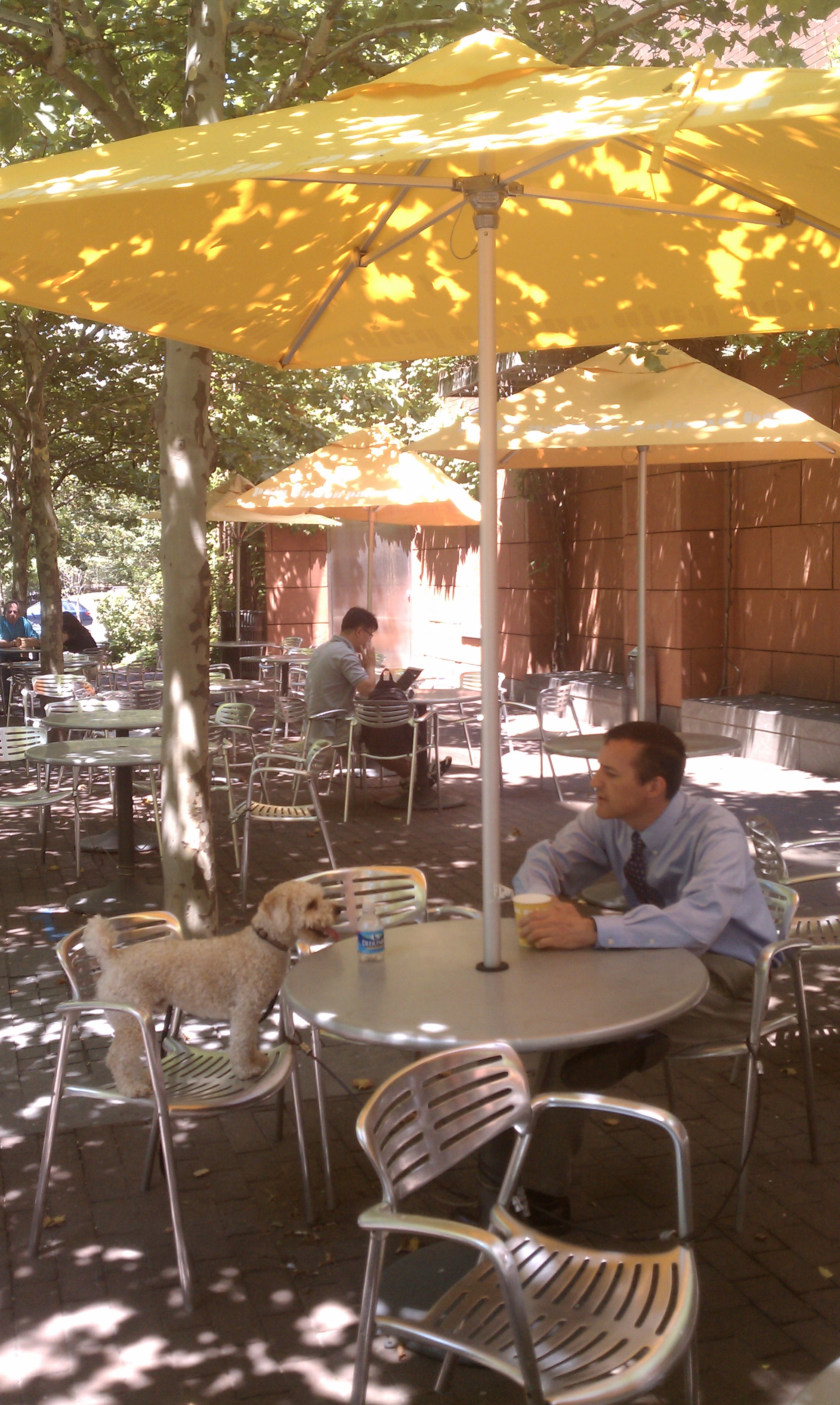
In a recent visit, Daedelus (“Dade” for short) dropped in to learn more about this great place.  Not wanting to discriminate based on fur; we gave him the royal treatment, showing him all that Penn has to offer!

So, we took him to where it all started – Ben Franklin.  He seemed quite impressed.

Dade and Ben are Friends

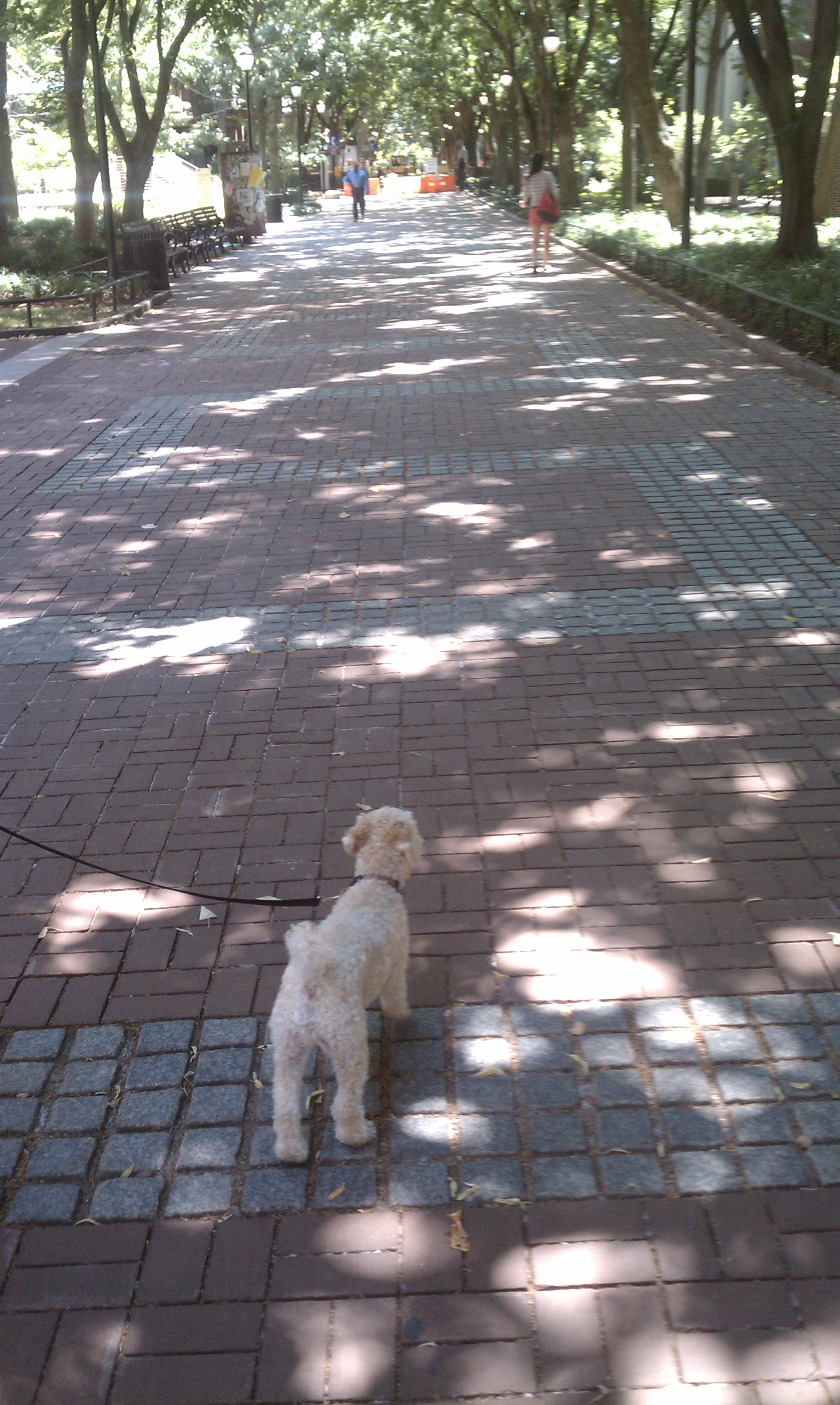
And any visit to Penn isn’t complete without a stroll down Locust Walk.

The sun-dappled Locust Walk

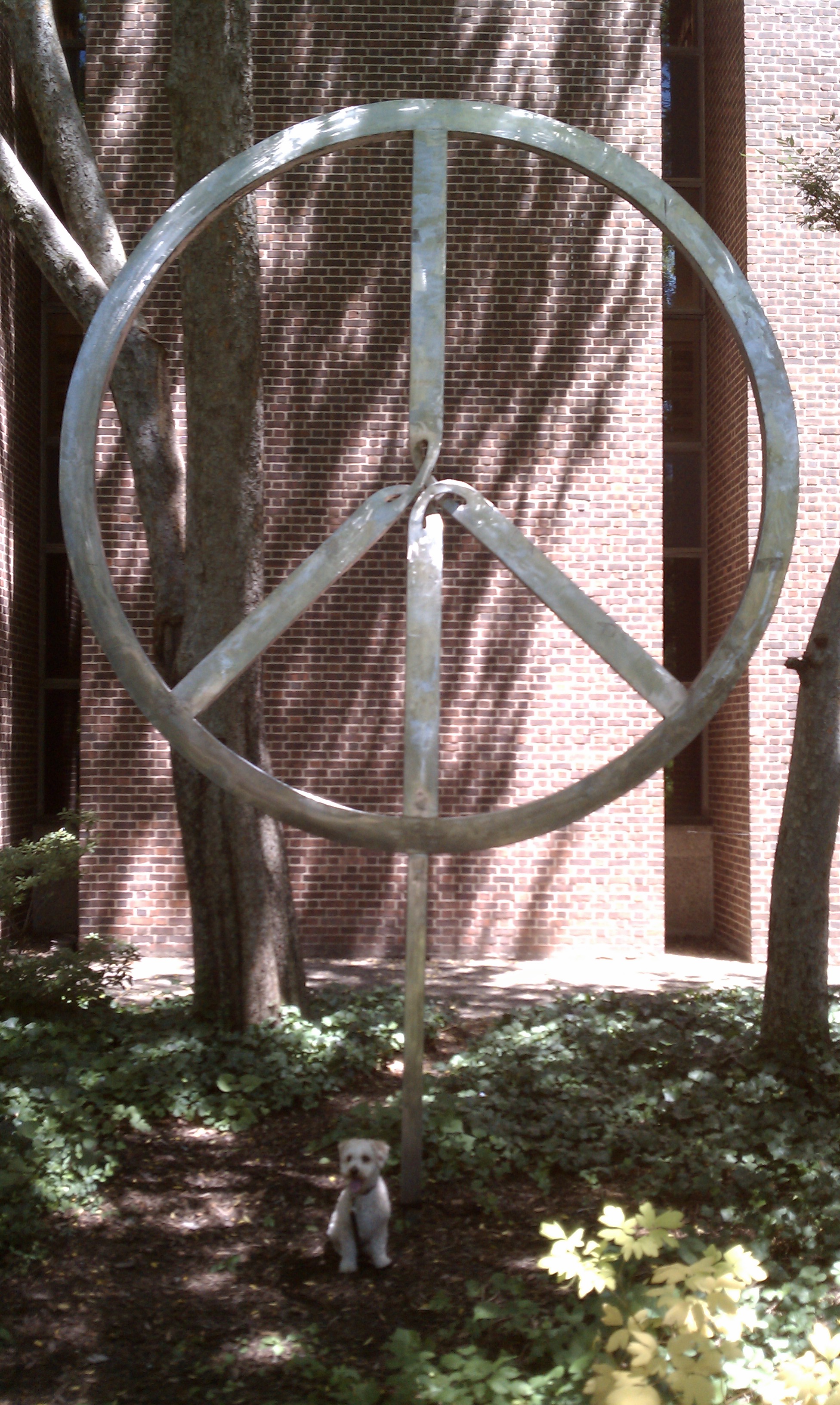
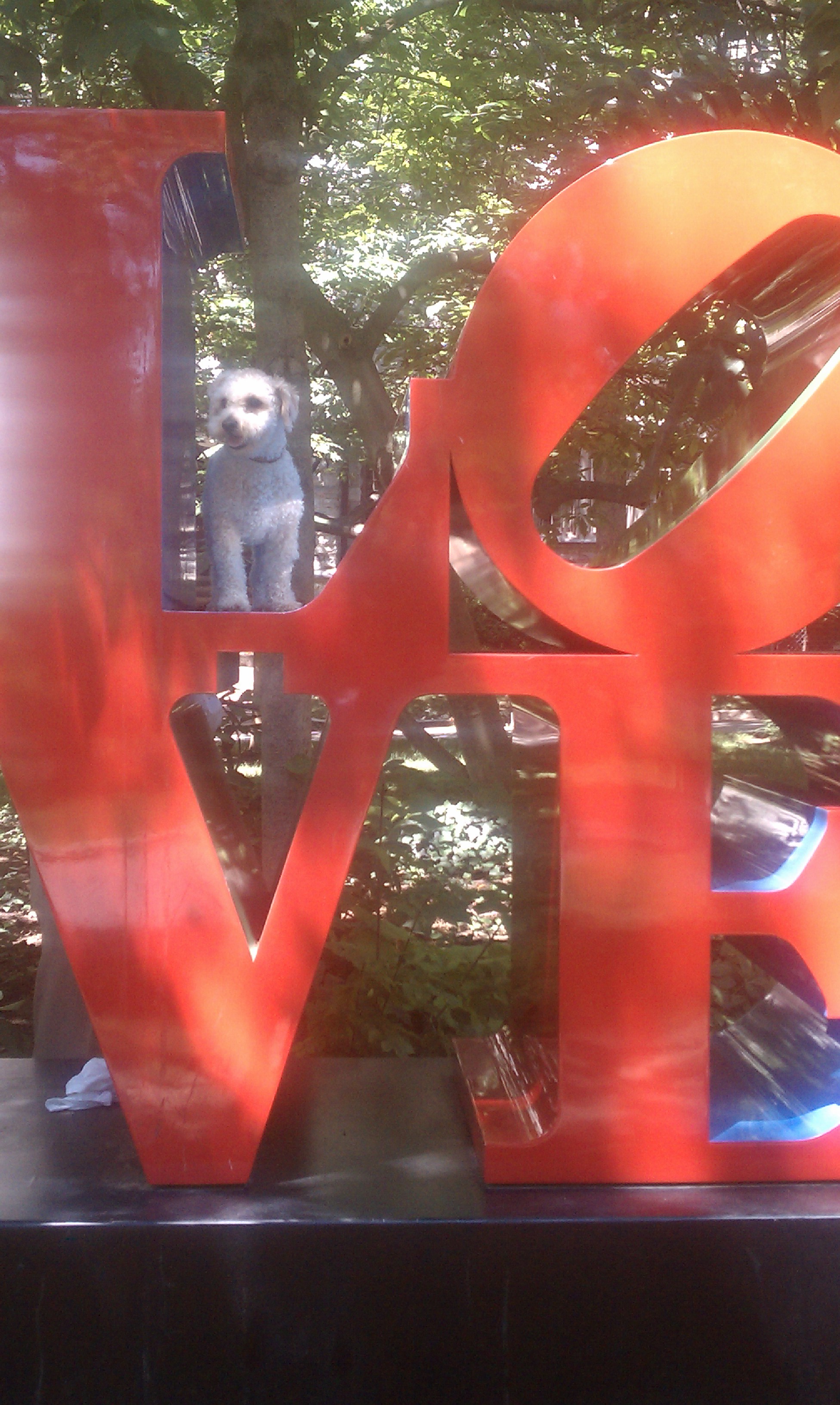
He loved all of the artwork on campus, especially the LOVE Statue and Peace Sign.

Totally Peaceful

In LOVE

He was particularly impressed by the architecture of the campus buildings, noting the Castle as one of his favorites.

The Castle and Dade


He marveled when told about Penn’s impressive alumni community.  He really thought it was cool that Charles Addams, the creator of The Addams Family, went to Penn too.   Although he admits he was a little hesitant about being walked by Morticia.

Addams Family

Being Walked by One of the Hands on The Gates


After all that walking, he needed a break.

Resting

After the tour, he had a chance to sit down with Steve  from PAARC and have all of his questions answered.

Dade and Steve Discuss Dade's Future at Penn

We think it’s fair to say he seemed to really appreciate the special attention he was given during his visit. And we loved having him!

4 Comments

Filed under Campus Life, Emily S.

Locust Walk Talk: The Penn Museum

Author: Casey Ryan, C’95

I love the University of Pennsylvania Museum of Archaeology and Anthropology.  One of my favorite reasons is its temporary exhibits.  I profoundly remember one exhibit, the “Track of the Rainbow Serpent: Australian Aboriginal Paintings of the Wolfe Creek Crater.”

In 2005, I was planning to travel to Australia and I was consuming anything I could about the country to be more informed.  I watched Rabbit Proof Fence and re-watched Muriel’s Wedding.  I read Neville Shute’s On the Beach and A Town Like Alice (a.k.a. The Legacy), Bill Bryson’s In a Sunburnt Country, Tim Winton’s Cloudstreet and even Colleen McCullough’s classic, The Thornbirds.  There was even an Animal Planet show that I stumbled upon and watched about a marsupial surrogacy program, which paired human volunteers with orphaned marsupial to recreate a pouch-like environment using book bags to help in there development and growth.  (What a tear jerker. If you don’t cry at folks trying to treat a sick wombat with an infection, you have no heart)! If it was Australia-related, I was there.

In the middle of my building excitement, I learned there was an exhibit of Aboriginal work at the Penn Museum. I was thrilled.  I searched on line for some articles to learn more about Aboriginal Art, and soon visited the Museum.

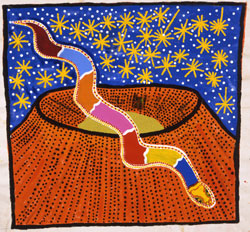
“Red Rock (Ngaimangaima)” by Daisy Kungah from Billiluna, 2002. Image courtesy of the University of Pennsylvania Museum of Archaeology and Anthropology

The culture of Aboriginal peoples is one of the world’s oldest continuous cultures, art traditions and belief system.  Though interpreted differently group by group, the creation story centers around the Rainbow Serpent, one of the important creative forces in the cosmology, and his travels to create existence during a mystical state called Dreamtiming that transcends time.

Image courtesy of Shreyans Bhansali, C’05, ENG’05

In particular, this exhibit is comprised of works from the Djaru Aboriginal people living by the Wolfe Creek Crater in Western Australia.  The story of a meteorite landing was interpreted as a star falling to Earth.  Wrapped around the light of the falling star is the Rainbow Serpent. The Serpent makes the hole in the new crater upon impact, then he continues to burrow and move underground and through the area to create waterways, landscape features. The Serpent’s movements and creation opened the land up for the Aboriginals’ First Ancestors to come and live.

The Djaru are stewards of this land and due to sacredness of the area custom prohibits them from directly discussing the story. Yet, through painting, using traditional techniques and colors, they can share the stories through art. The art is bold, using bright colors and traditional symbols for water, watering holes, stars and people.  Without speaking, these paintings tell the stories of the traditional way of life for the Djaru.

“Kandimalal (Wolfe Creek Crater) and the Rainbow Serpent” by Boxer Milner from Billiluna, 2000. Image courtesy of the University of Pennsylvania Museum of Archaeology and Anthropology

Thanks to the efforts of the Penn Museum, I had an Australian cultural experience that I wouldn’t have had anywhere in the world as I prepared for my trip.  I gained an appreciation for Aboriginal culture and I didn’t have to leave my figurative backyard to get it.

1 Comment

Filed under Campus Life, Casey R., Fine Art, Locust Walk Talk, Penn in the Summer, The Arts at Penn

Nerd Alert: Why I Love the Van Pelt-Dietrich Library

Author: Aimee LaBrie

I’ve had a library card ever since I was in kindergarten. My mom has always been a reader-of-novels and she passed this love on to me, starting with the Little House on the Prairie series. I can still remember the feeling I used to get when I would leave the library with half a dozen books in my backpack—giddy with the possibilities each book offered. Even if I didn’t read all of the books I borrowed (and I seldom did), I liked having all those choices—an adventure story about mice, a story about a misunderstood doll, a detective story where the kids were smarter than the adults.  As an adult, I still feel the same way about reading and about the library; almost like I’m getting away with something when I go inside and emerge with a stack of books; it seems too good to be true.

Here at Penn, you might think that the libraries on campus are very academic-focused, and it’s true that they have hundreds of scholarly texts and journals and numerous online resources. But they also have an excellent fiction section, a new books collection on the first floor of the Van Pelt-Dietrich library, and a substantial DVD collection that I’ve borrowed from numerous times (I just rented Philadelphia Story starring  Cary Grant and Katharine Hepburn a few weeks ago. Have you seen that film lately? If not, get it).

In addition, if the library doesn’t have the book you want, they will get it for you. For instance, I recently visited Gettysburg for the first time in my life, and someone mentioned the book Confederates in the Attic: Dispatches from the Unfinished Civil War, by Pulitzer Prize-winning author Tony Horwitz. When I got back to work that Monday, I found that though the library didn’t have the book available, they could secure it for me through inter-library loan. In two days time, I had the book in my hot little hands, borrowed directly from the Dartmouth Library. It was like magic. (Book synopsis: Civil War re-enactors are alive and kicking all throughout the South. For a fictionalized account of this crowd, I highly recommend Civilwarland in Bad Decline by George Saunders. It’s dark and twisty and very funny).

About a week ago, I read a  New York Times review of the recently published crime novel, A Death in Summer and thought how nice it would be to check it out from the library that very same day, though it seemed unlikely that the VPD Library would have it, since it was pretty much right off the presses.  I walked straight toward the new fiction, and voile! There it was on the top shelf of the collection, as if waiting for me. Again, magic.  I devoured the book over the weekend. It’s written by Benjamin Black, the pseudonym for Booker Prize winning writer, John Banville. You can read a review of the book here or learn more about Banville’s alter ego in the most recent issue of The New Yorker (book synposis: a rich man appears to have committed suicide. But did he??? His strange death is investigated by an alcoholic medical examiner and a detective who, along the way, encounter seduction, betrayal, a corrupt organization for boys, martinis, hundreds of cigarettes, and ponies.  Thumbs up).
I don’t know what’s next on my reading list, but I am certain that when I do decide, I’ll only have to go a little ways down Locust Walk and into the library. It still feels exciting to me, to know that I can enter the library with nothing, and leave with my arms full of possibilities.

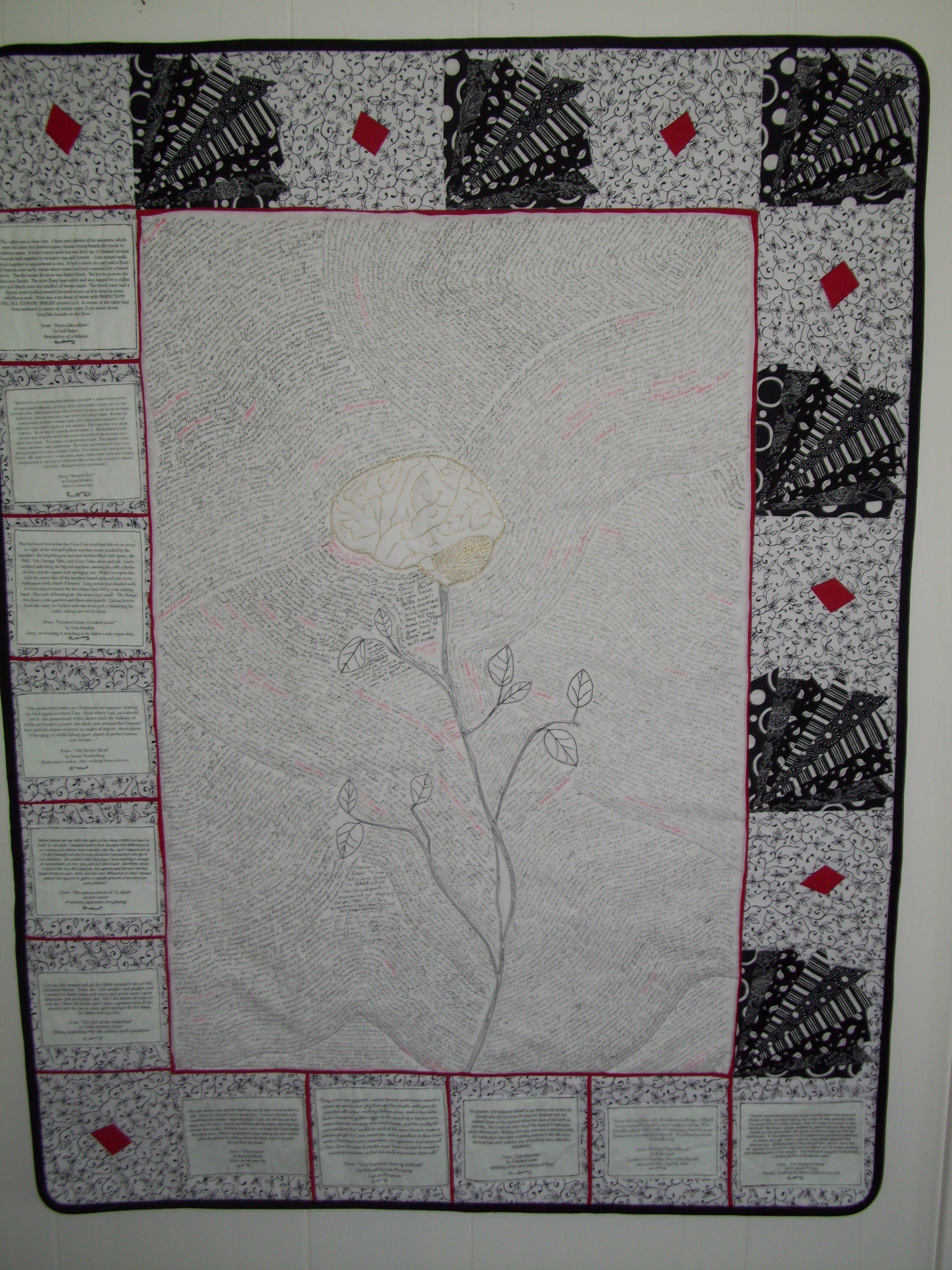
Just an aside, I have physical proof of how much my mom loves reading. This is a quilt that she recently made called “Book Brain.” If you look closely (by clicking on the photograph), you’ll see that the whole quilt is filled with hand-written quotes from her favorite books. She dedicated the quilt to me.

A Quilt about the Love of Reading

2 Comments

Filed under Aimee L., Campus Life, Library