Category Archives: Penn Alumni Travel

Penn Alumni Travel: Hugging the Coast

Author: Emilie Kretschmar LaRosa

Before I write about Penn Alumni Travel’s latest voyage along Europe’s Atlantic coast, I am excited to announce that the 2014 tour schedule—which includes trips to 6 Continents, 10 seas, and over 40 countries—has just been released. Click here to check out all 24 Penn Alumni Travel trips in 2014. We are already starting to take reservations for Antarctica, India, and the South Pacific. And, if you’re interested in Cuba, please email me at emiliek@upenn.edu to be added to a priority reservation list. We expect this tour to sell fast!

Every Penn Alumni Travel trip is a fantastic learning experience not only for the sights and historical visits, but also for the people you meet while on the tour—guides, local people, and passengers included. On a recent Penn Alumni Travel cruise along Europe’s Atlantic coast—starting from Lisbon, Portugal and ending in Honfleur, France—alumni connected with each other while exploring some of Europe’s coastal civilizations.

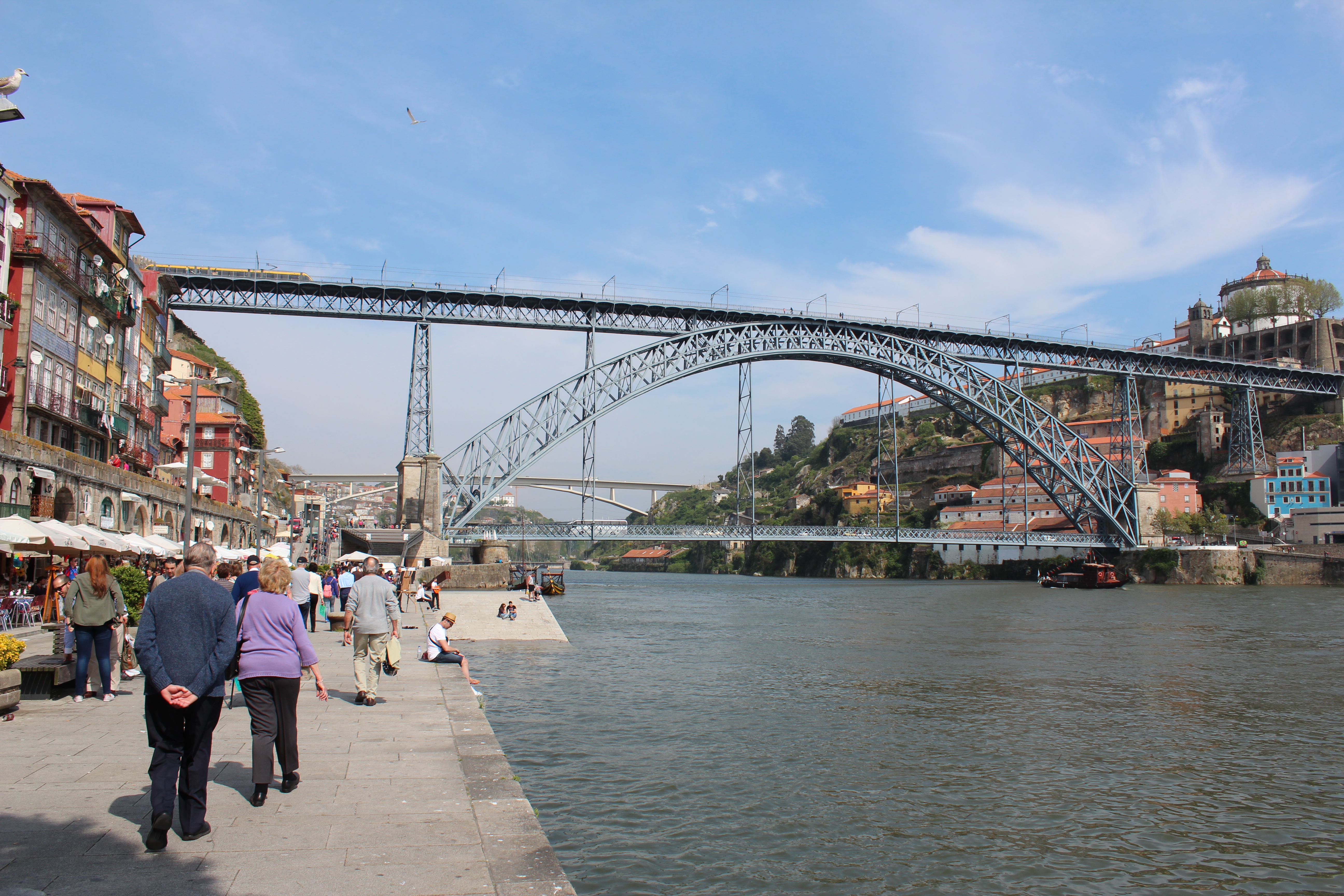
We started in Portugal with a quick visit to Lisbon followed by a tour of the town of Porto, home of the famous and eponymous Port wine. After a quick visit to the Palacio de Bolsa, or Stock Exchange, we spent some free-time in the Ribeira, the former harbor quarter of Porto. Beautiful bridges now span the river, one built by Gustav Eiffel and the one pictured below constructed by his student.

Porto bridge constructed by a student of Eiffel.

Porto bridge constructed by a student of Eiffel.

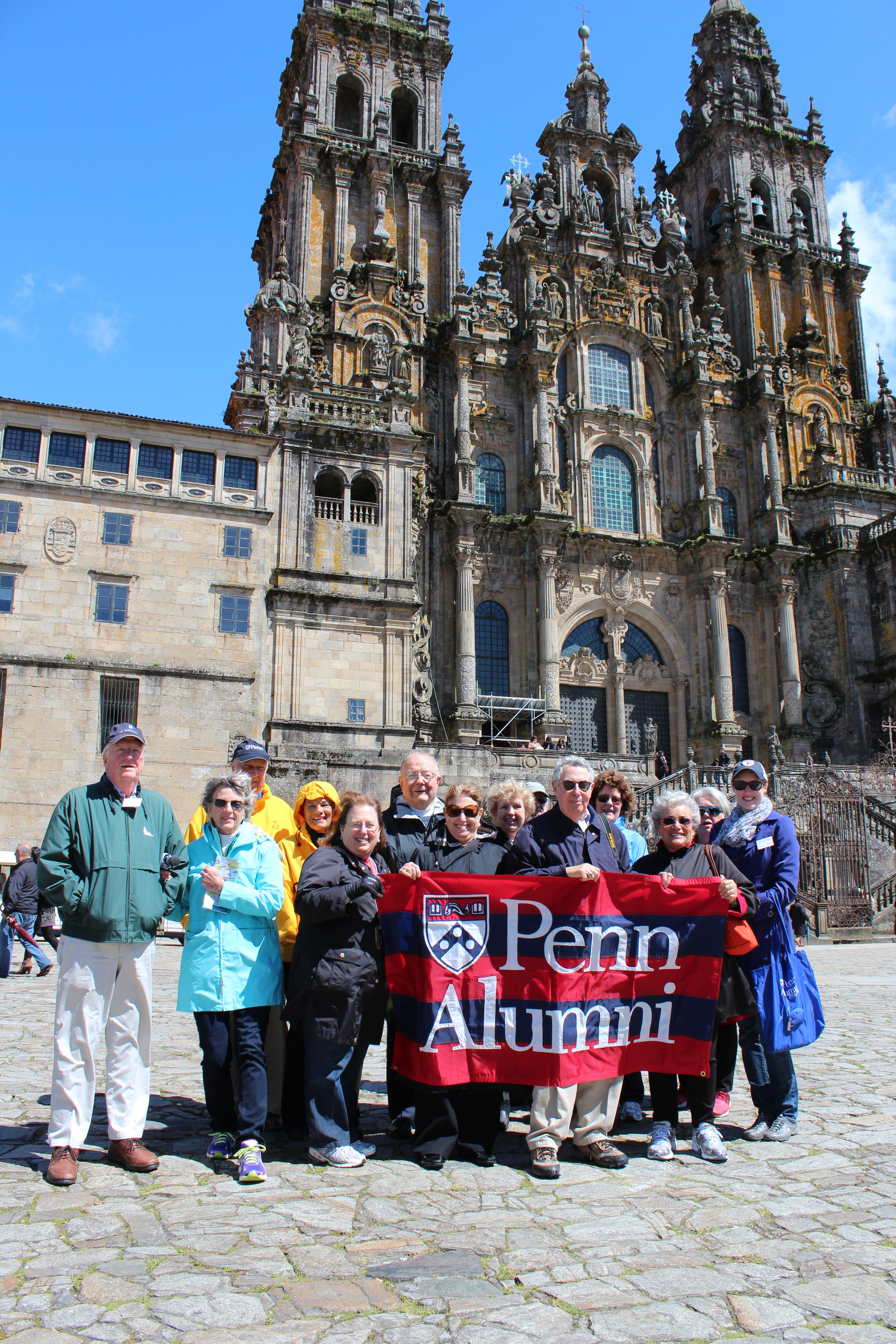
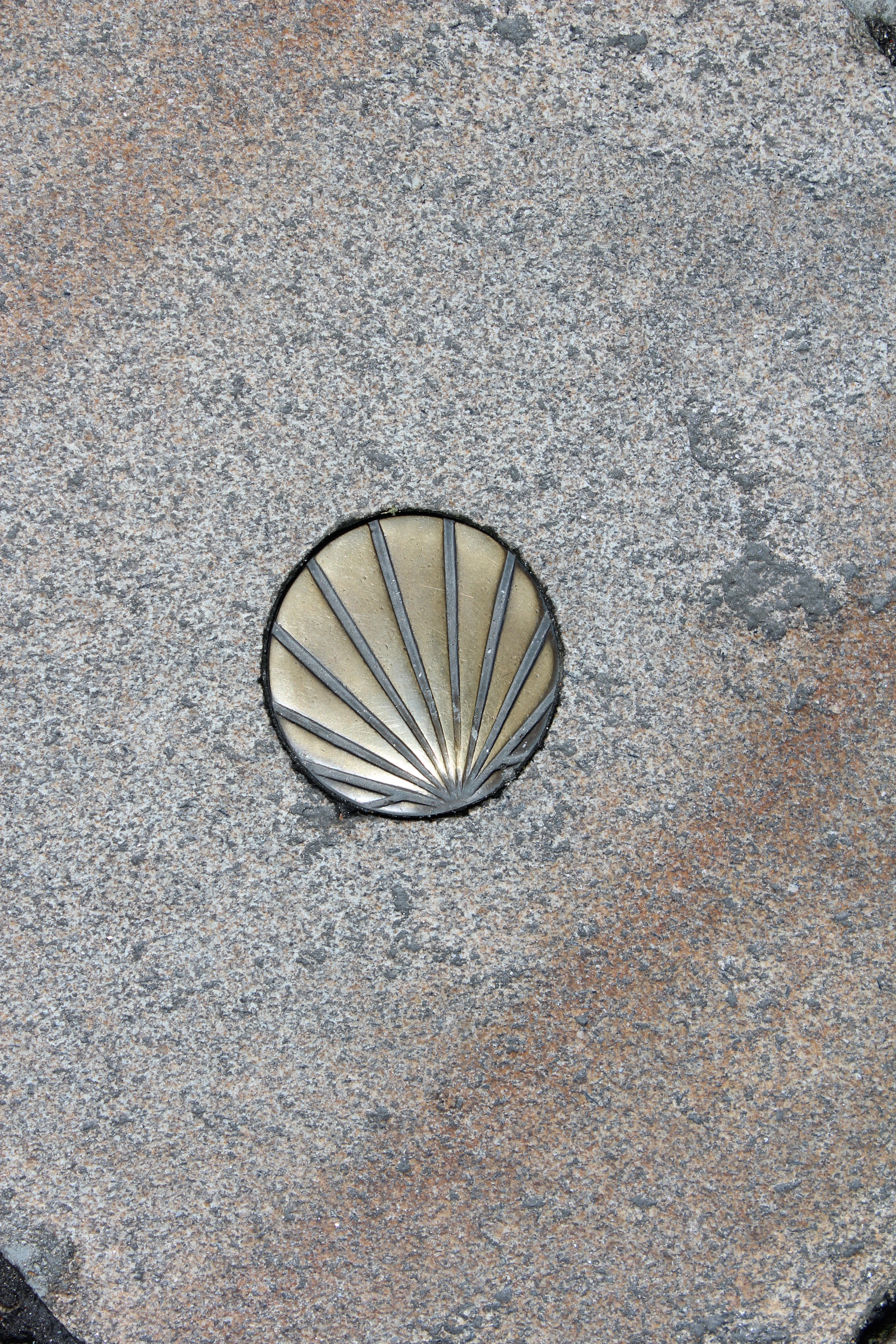
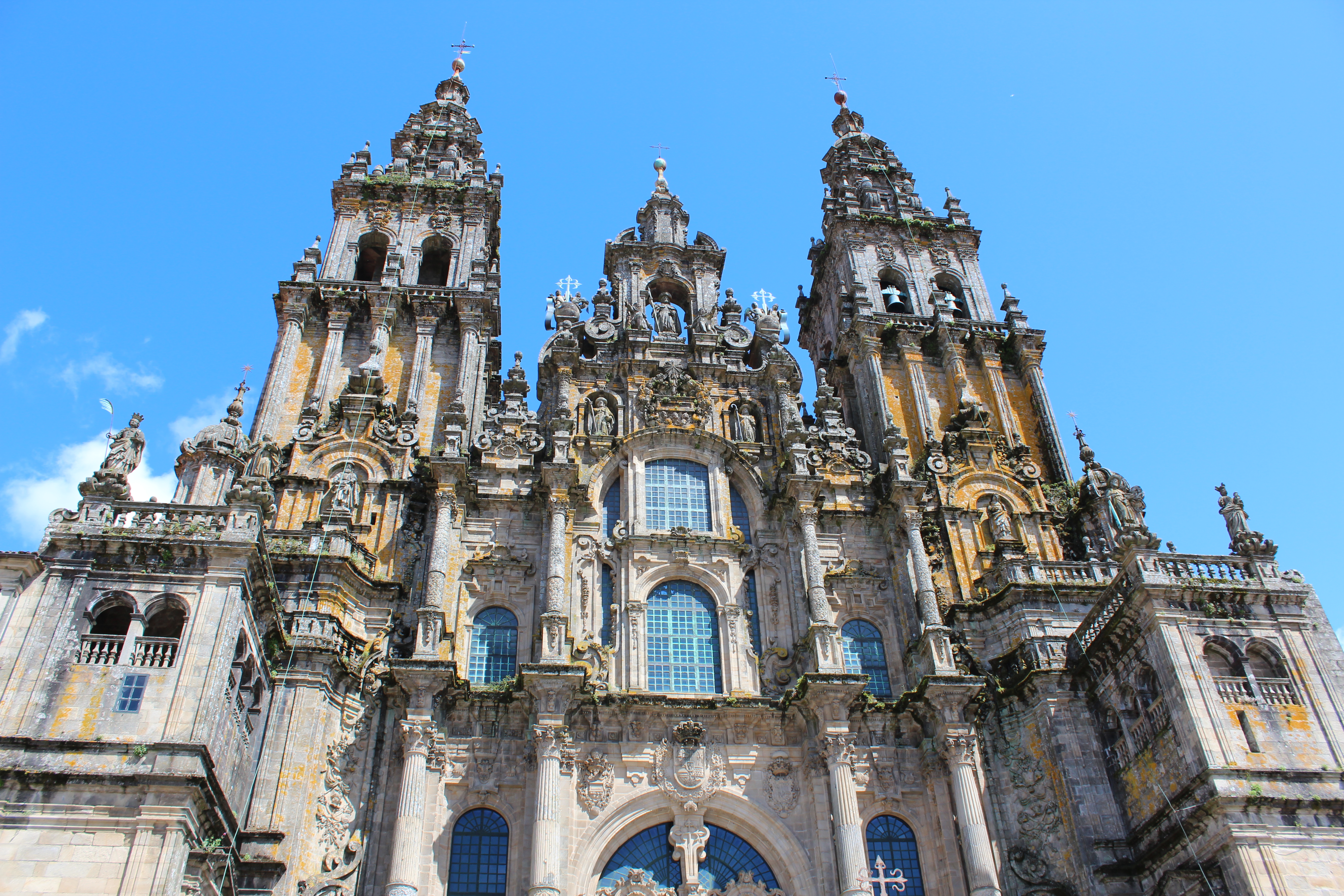
Portugal was followed by two stops in Spain, one to visit Santiago de Compostela and its magnificent gothic cathedral and one to visit Bilbao and the ultra-modern Guggenheim Museum. Both stops highlighted masterpieces of Western architecture separated by over 900 years of history. Santiago de Compostela’s cathedral was begun in 1075 and is, still to this day, the final destination of the legendary pilgrimage route Camino de Santiago (Way of Saint James). The symbol of St. James is a shell and, as we circled around the cathedral, I could identify the many pilgrims finishing their long journey by the shell attached to their pack. The cathedral itself is a great work of architecture and many pilgrimage churches throughout Spain and France copied its design and layout.

Penn alumni with the cathedral.

Penn alumni with the cathedral.

St. James’ shell imbedded in stone pavement.

St. James’ shell imbedded in stone pavement.

To follow Santiago de Compostela and its imposing cathedral with Bilbao and the Guggenheim was a fascinating lesson in architectural history. To compare the old medieval cathedral with the new and shiny Guggenheim is not as impossible as one might think. Both used cutting-edge design and engineering techniques at the time of their construction, both cathedral and museum stand as homages to the creative spirit of man, and both—in my estimation—have an architectural energy that is not found in classical pieces. Santiago de Compostela’s turrets twist and turn with decorative spirals and statues while the Guggenheim’s various wings undulate and twist from a central atrium. Can you see the semblance?

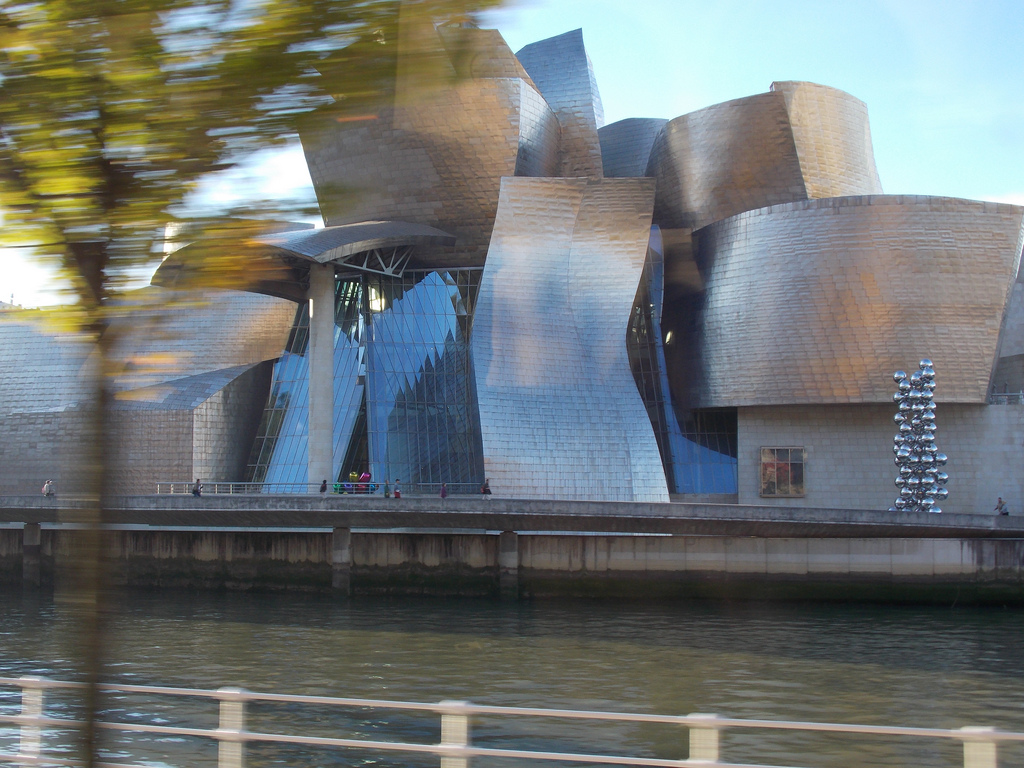
The Guggenheim Museum by Frank Gehry in Bilbao, Spain.

The Guggenheim Museum by Frank Gehry in Bilbao, Spain.

The cathedral at Santiago de Compostela.

The cathedral at Santiago de Compostela.

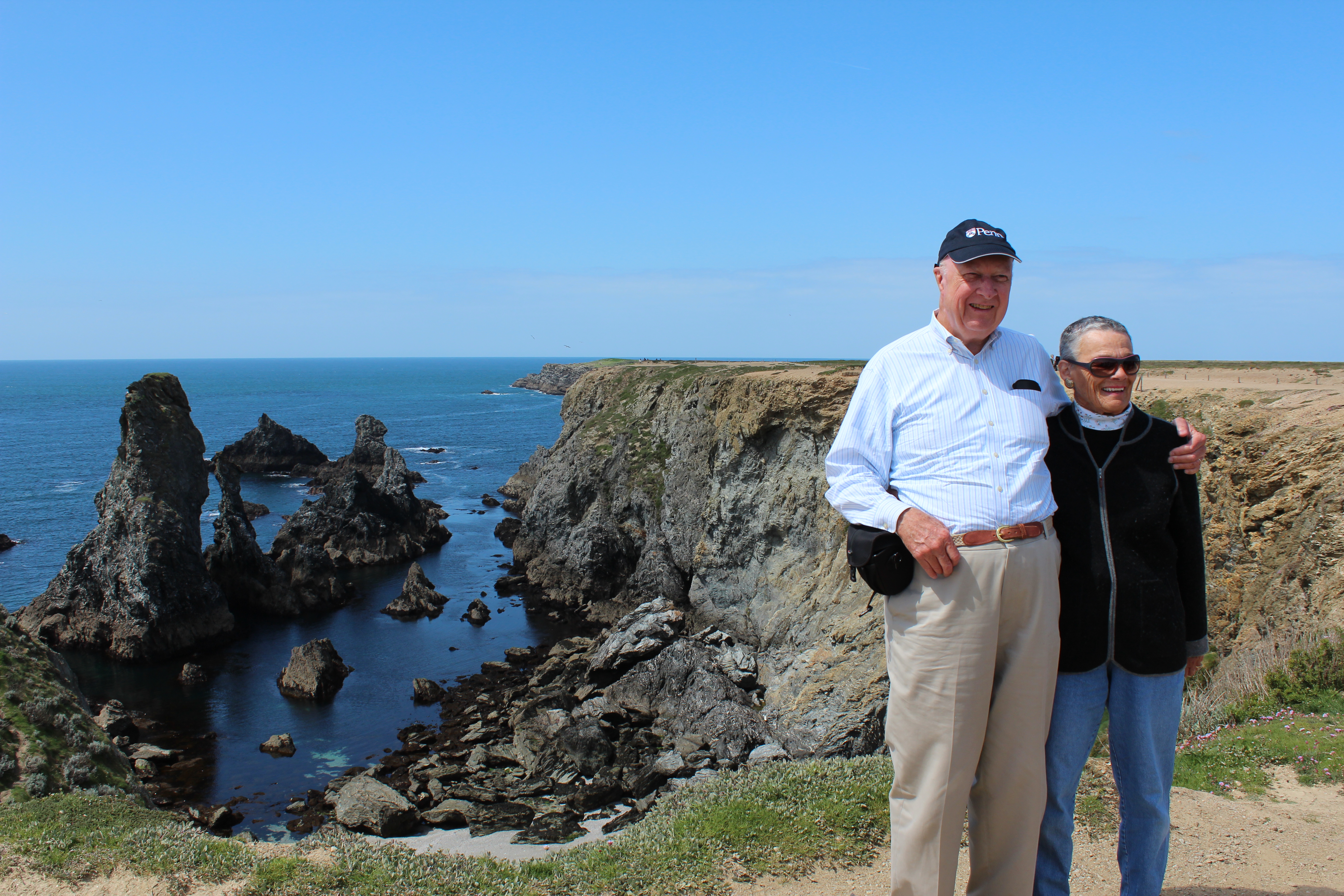
Our next stops were two Atlantic islands: Belle Ile of France and Guernsey of the United Kingdom. For me, Belle Ile was a wonderful return trip as I had spent a long weekend there as an undergraduate abroad over a decade ago. It was still as charming and belle as I had remembered. Our alumni group toured the island on a small bus before stopping in Le Palais where some lucky passengers (including myself) stumbled across a shop selling Coeur de Beurre (salted butter caramel) delicacies. Belle Ile is also known as an inspiration to artists. A number of famous painters made Belle Ile their home, including Claude Monet, John Peter Russel, Georges Clairin, Matisse, and Vasarely.

Jack, ME’56, and Joan Swope pose by the cliffs of Belle Ile. Jack was also a winner in last year’s travel photo contest!

Jack, ME’56, and Joan Swope pose by the cliffs of Belle Ile. Jack was also a winner in last year’s travel photo contest!

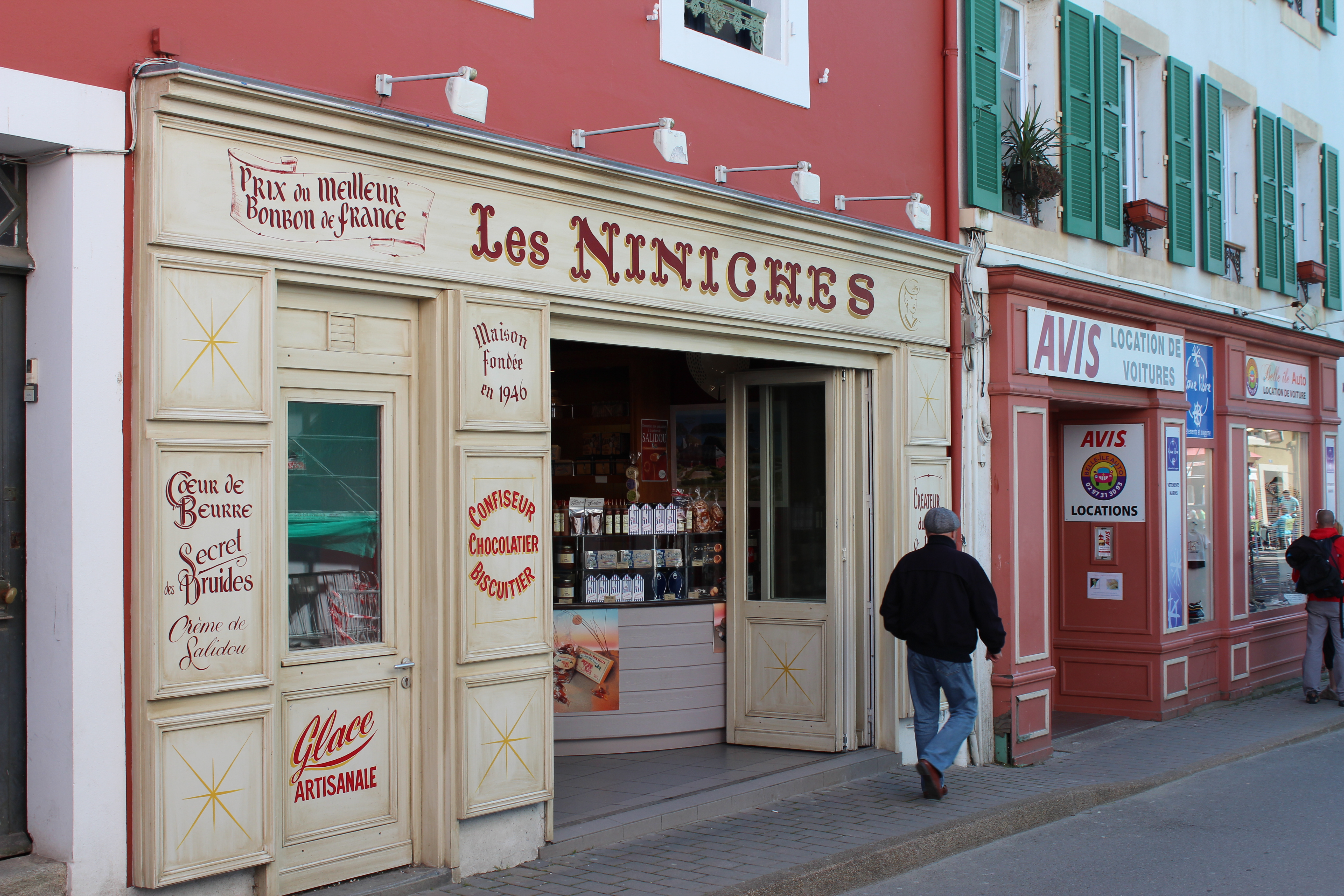
Les Niniches, the store where we found wonderful Coeur de Beurre cookies.

Les Niniches, the store where we found wonderful Coeur de Beurre cookies.

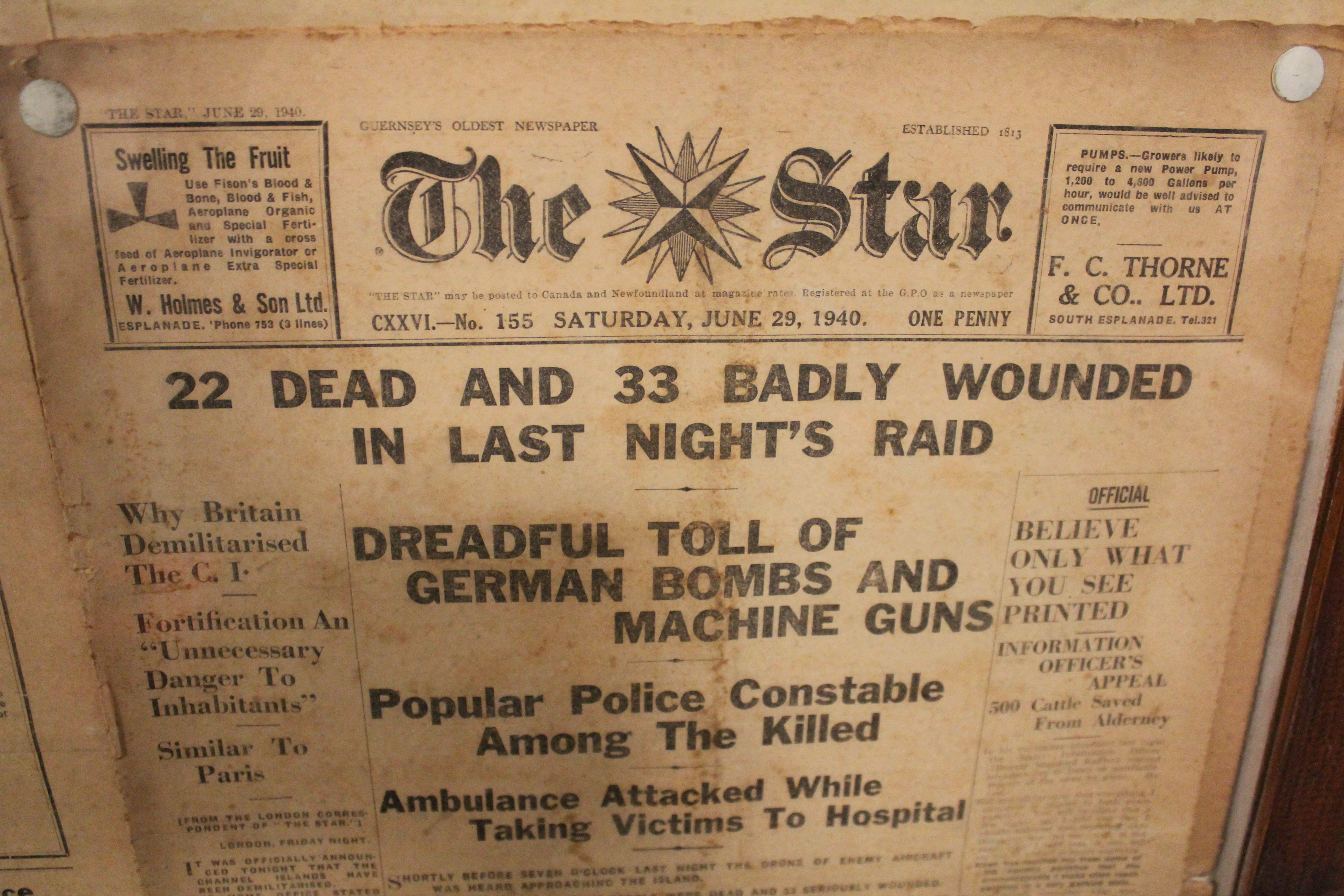
The island of Guernsey was our introduction to World War II history. As the only British territory to be occupied by the Germans during WWII, the island inhabitants remember the war quite vividly, even if it is only through the stories of older family members. German fortifications are scattered along the rugged coast, and one Guernsey islander has dedicated his life to amassing a gigantic collection of occupation memorabilia and artifacts. This collection has now become the German Occupation Museum which our group visited during the island tour.

German Occupation Museum

Guernsey newspaper in the German Occupation Museum

The Normandy beaches concluded our exploration of WWII history. It was perhaps the most anticipated, and certainly the most moving, of all our stops. As a student abroad, I had also visited the D-Day beaches with fellow classmates. The trip then was memorable, but not personal. None of us had experienced war or the effects of war, and WWII was, by then, distant history.

This second visit was very different. Many alumni passengers were veterans themselves, serving in the Korean and Vietnam Wars, and had a very strong and moving connection to these battle sites and the American cemetery. They had experienced war themselves, and knew firsthand the importance of honoring the fallen and those ideals for which they had given their lives. We began the day with a wonderful introductory tour led by a local French woman who had been giving tours for over fifteen years. She could still recount stories told to her by American and British WWII veterans. She also had many stories from her own family and French neighbors who lived through the occupation and surrender of the Germans.

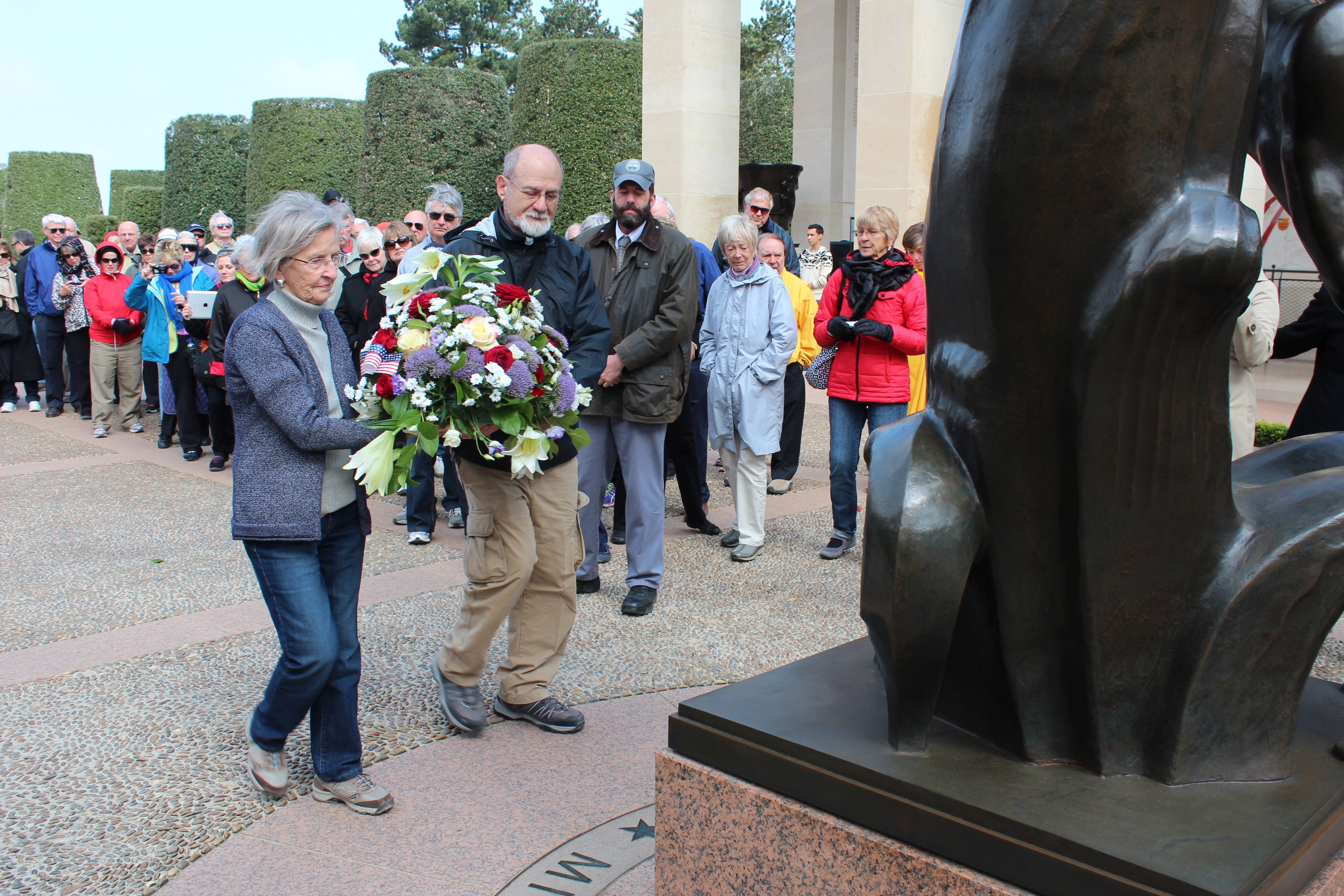
We visited the Pointe du Hoc, Omaha Beach, and the American Cemetery. At the cemetery, we honored the fallen soldiers with a wreath-laying ceremony and then recognized those veterans among our group. It was a wonderful moment of solidarity and connection between generations: a generation that had already passed, a generation represented by our alumni group, and then my own. Sometimes it is nice to know that history can live on in the small gestures of a wreath-laying ceremony or the time spent learning about the importance of a French beach.

Our tour group listens to our local guide recount the military operation at the Pointe du Hoc.

Our tour group listens to our local guide recount the military operation at the Pointe du Hoc.

Barbed wire is commonplace on the Pointe du Hoc.

Barbed wire is commonplace on the Pointe du Hoc.

A Penn alumnus helps lay the wreath at the base of the memorial statue in the American cemetery. 9,387 American soldiers are buried here, most of whom lost their lives in the D-Day landings and ensuing operations.

A Penn alumnus helps lay the wreath at the base of the memorial statue in the American cemetery. 9,387 American soldiers are buried here, most of whom lost their lives in the D-Day landings and ensuing operations.

As always, thank you to the wonderful Penn alumni and friends who joined me on this tour. I hope we meet again and that you have many more wonderful journeys. To view all the pictures from this tour, click here.

A note to interested alumni: We are hosting another tour to the Normandy Beaches next year in honor of the 70th anniversary of the D-Day landings. Join us on the Celtic Lands tour (May 28-June 7, 2014) with faculty host Rebecca Bushnell and special speaker David Eisenhower. Contact me for more information (emiliek@upenn.edu or 215-746-7442).

Leave a comment

Filed under Emilie, Penn Alumni Travel, Travel

Across Time and Space: Discovering Morocco with Penn Alumni Travel

Author: Thomas Max Safley, Professor of History, University of Pennsylvania

[To learn more about academic alumni tours with Penn Alumni Travel, visit our website here. To learn more about our November departure to Morocco, click here.]

From 30,000 feet in altitude, the coast of Morocco first showed itself a blue-green landmass under a red sunrise.  I might have been looking at a print by Georgia O’Keefe, so strange and familiar it seemed.  The night had been rough.  The delayed flight from winter-bound JFK and the listless service from the Royal Air Maroc crew drove me to seek refuge in sleep.  I awoke in a very different place.

As our plane descended, the image resolved itself not into O’Keefe’s stark desert, but into the verdant coastal plain outside Casablanca.  Even in February the northwestern tip of Africa showed itself lush.  Planted fields (what crops?) and pastures lapped about walled farmyards and small villages, all white from above.  The airport itself seemed small and primitive, especially in comparison to the international gateway we had departed, but the sun was warm and its light promising.  A very different place.  Just how different I would discover gradually.

DSCN0342

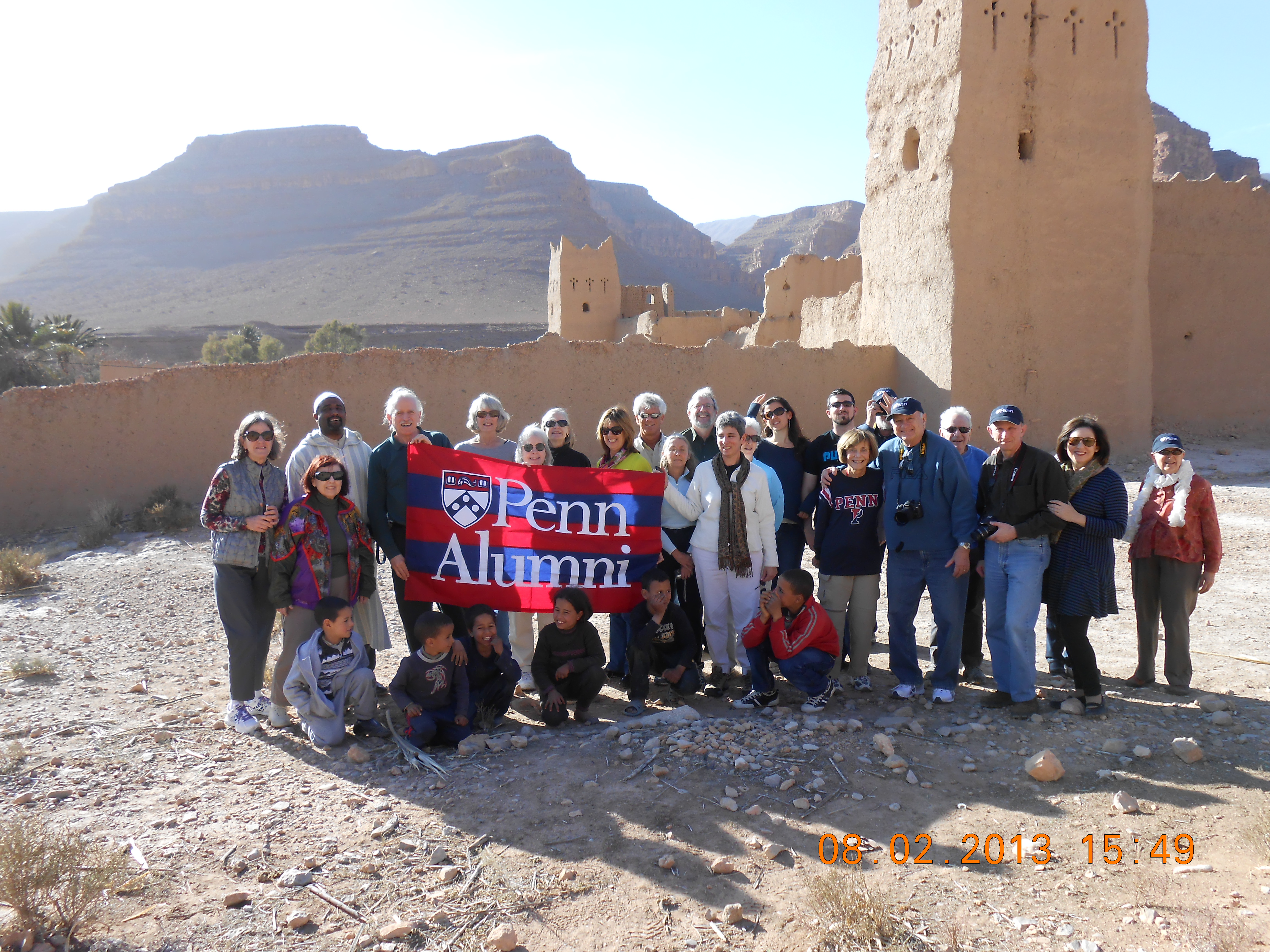
Penn alumni and friends in Morocco with Professor Thomas Max Safley. You can view all the pictures from this tour here.

Through passport-control and baggage-claim, I entered Morocco proper.  Our local guide, Sedik collected our group gradually, and, as I waited for everyone to arrive, I looked about.  The arrivals hall was modern; the ATMs were reassuring; the advertisements were familiar, if cosmopolitan in Arabic, French and English.  But the Moroccans themselves were fascinating.  They were African, Berber, Arab and European, as well as every conceivable mixture.  They spoke Berber, Arabic, French and English, as well as many languages or dialects I could not identify, a truly polyglot country.  Their dress reflected their various preferences and heritages:  men in expensive suits, hip-hop fashion and traditional djellabas; women in dress suits, tights and boots and full burqas.  What had I been expecting?
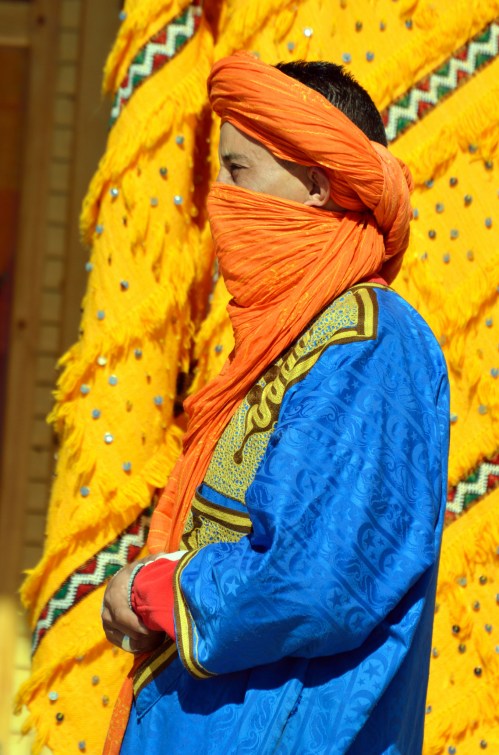
Photo by Penn alumnus Murray Sherman, GR’69.

Photo by Penn alumnus Murray Sherman, GR’69.

A modern tour bus conveyed us comfortably, despite jetlag and culture shock, to our first destination, the capital city of Rabat.  It moved along a modern, divided highway.  I could have been anywhere, but the fascinating dissonances continued.  The farms and villages, so clean and white from above, proved to be four-square, flat-roofed, one-story, mud-brick structures of indeterminate color, fading from white into shades of brown, gray and ochre.  More people were moving across the fields on packed-earth paths, afoot or astride burros, than were travelling on the roads in vehicles.  Rest stops offered not only the usual physical comforts, but also spiritual comfort in the form of prayer rooms for Muslim devotion.  And cats everywhere.  They watched us with far more interest than did the Moroccans.
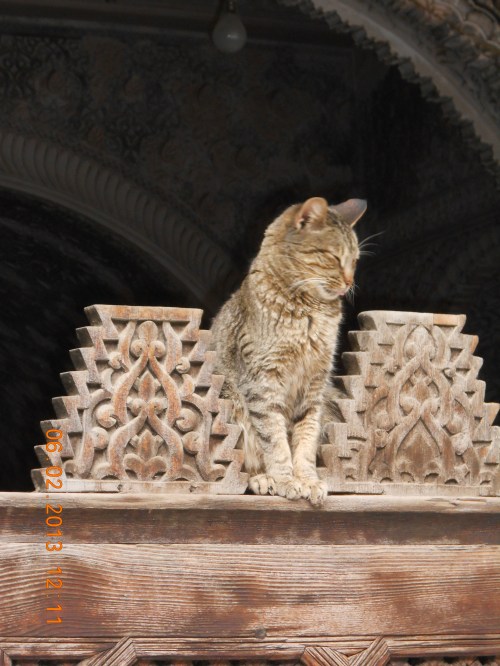
Cat sentry. Photo by Professor Thomas Max Safley.
Cat sentry. Photo by Professor Thomas Max Safley.

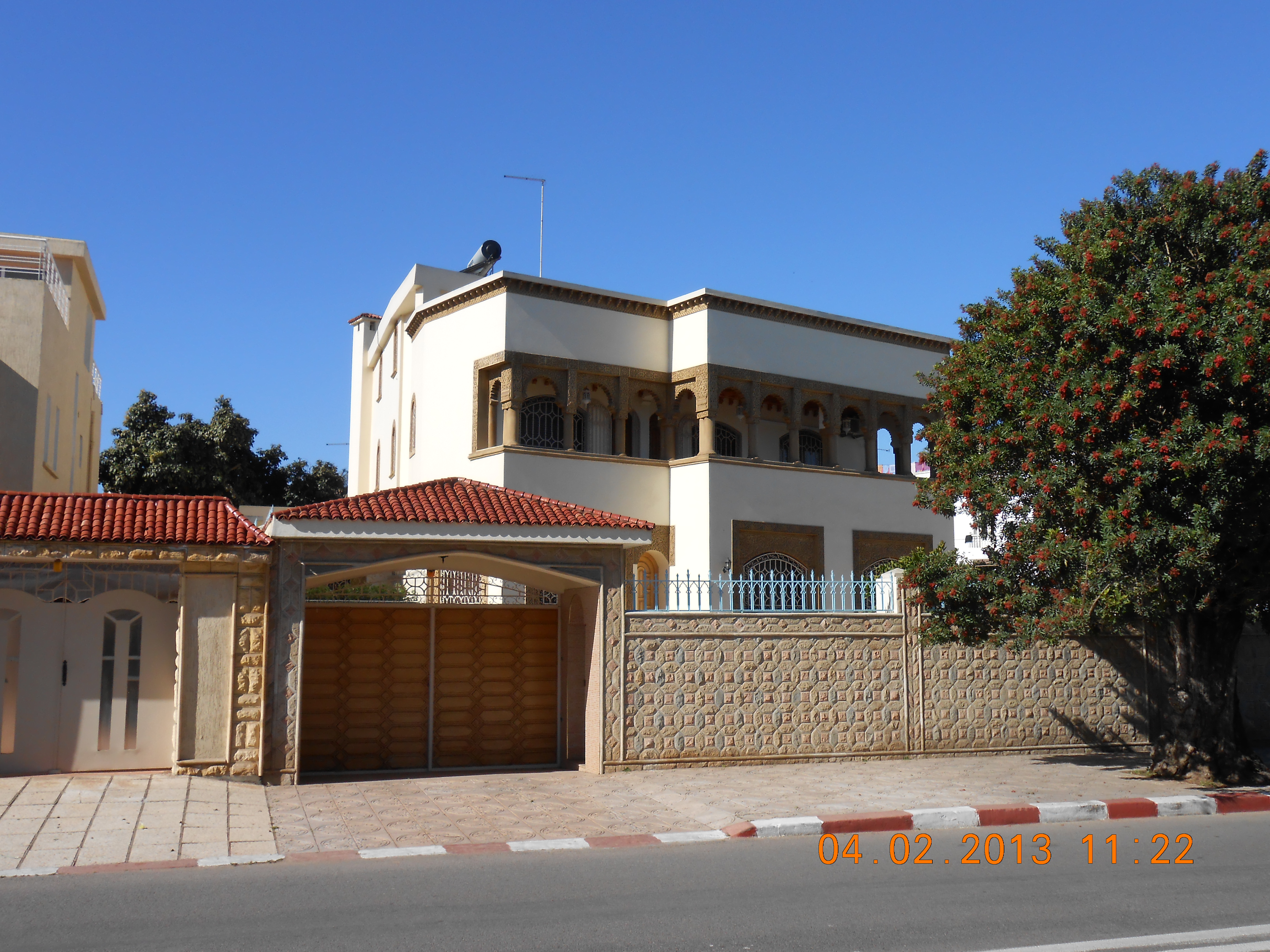
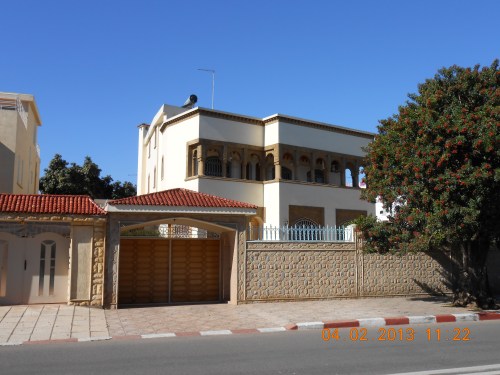
Domestic architecture in Rabat. Photo by Professor Thomas Max Safley.

Domestic architecture in Rabat. Photo by Professor Thomas Max Safley.

Rabat began to dispel that sense of “anywhere” modern.  True, the city has a large, contemporary district, filled with sleek office and residential buildings, up-scale shops and restaurants.  Our first hotel, La Tour Hassan, was likewise modern, with every comfort Eastern or Western travelers might need or want.  Large, elegant rooms overlooked an enclosed garden filled with palms, flowers and fountains.  Here, I got my first taste of the country’s legendary hospitality—friendly, communicative, accommodating—that would be repeated at every restaurant and hotel throughout the trip.  Yet, that sense of the 21st century could not obscure far older, timeless elements.  The modern district surrounds in a great arc Rabat’s medieval medina and the castellated Kasbah des Oudaias, which contains in turn a royal palace from the 17th century with its Andalusian gardens, there at the point where the Bou Regreg empties into the Atlantic.  Across the river lies Sale, Rabat’s no less ancient sister city, a haunt of Barbary pirates, known into the 19th century as Sale Rovers.  Inland along the river, lies the 11th-century ruin of the necropolis of Chellah, built upon the even more ancient ruin of a 3rd-century Roman settlement, Sala Colonia.  Even in the modern part of Rabat, cocks crew at dawn and the azan, the Islamic call to prayer, taken up by one muezzin after another only a bit less early, at 5:30 AM, until it rang across the city, disturbing my sleep and stalking my dreams.  I had a sense of the Ancient and Middle Ages gradually invading my safely familiar world.

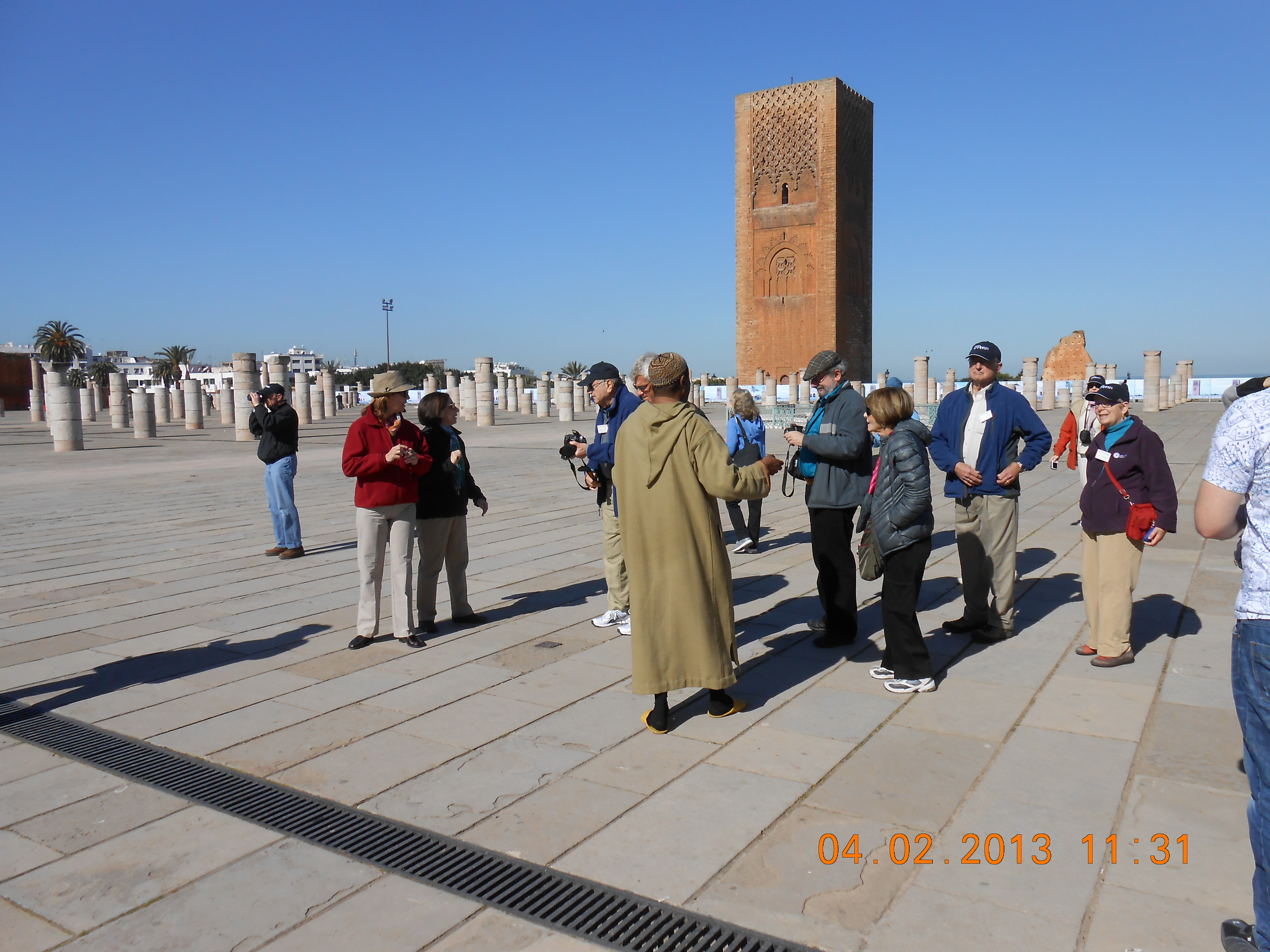
Penn alumni visit the Hassan Tower in Rabat. Photo by Professor Thomas Max Safley.
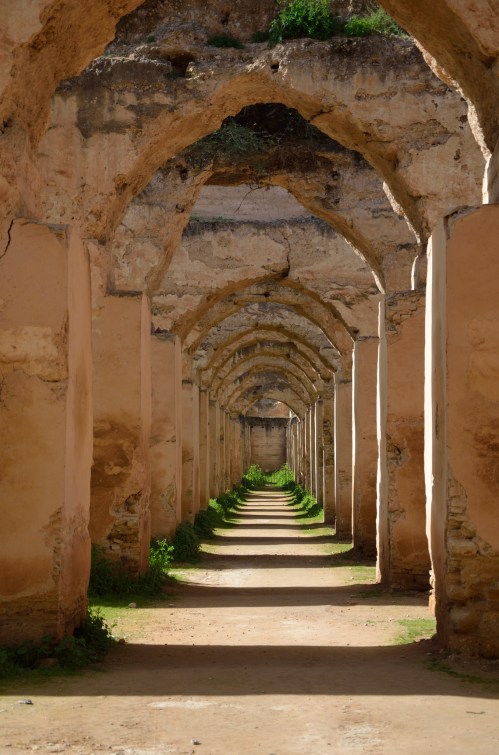
Penn alumni visit the Hassan Tower in Rabat. Photo by Professor Thomas Max Safley.

Ruins at Sala Colonia. Photo by Penn alumnus Murray Sherman, GR’69

Ruins at Sala Colonia. Photo by Penn alumnus Murray Sherman, GR’69

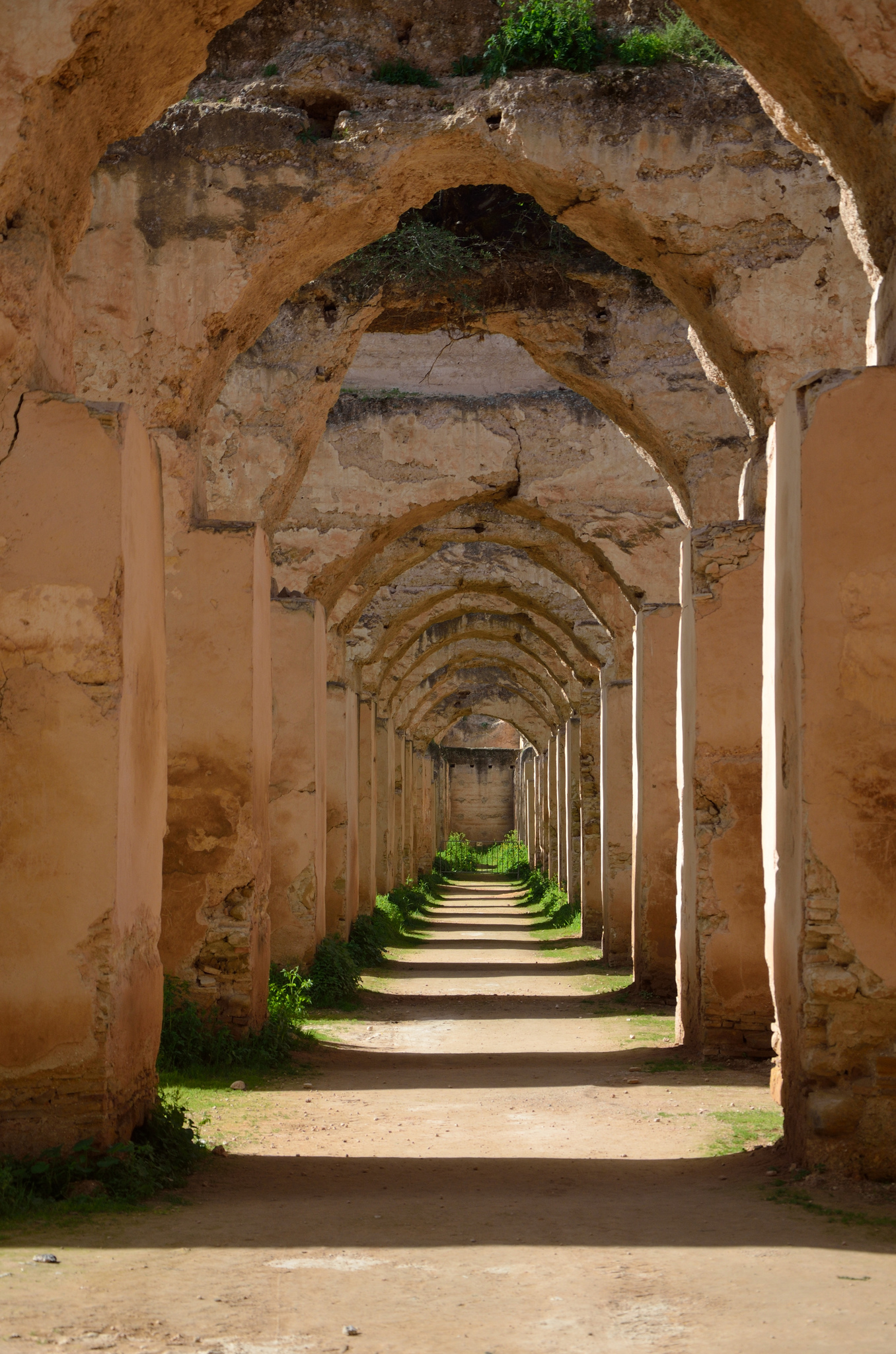
Slowly we traveled back in time, via Meknes, imperial city in the 17th century under the Sultan Moulay Ismail, and Volubilis, a Roman border town.  Meknes seems to have risen and fallen with its great and ruthless ruler.  A tale connected to the Bab el Mansour gate, perhaps the town’s finest architectural gem gives us a sense of the Sultan:  When he asked the gates builder, the famous architect, el Mansour, whether he could do better, the honest man felt compelled to answer yes, whereupon the enraged ruler had him executed.  What remains of Moulay Ismail is now mostly ruins, an indication, perhaps, that his people and even his family felt compelled to neglect the memory of a man, whose reign was marked by constant warfare and indiscriminate murder.  The white pillars on either side of the gate were, not surprisingly, given the Sultan’s reputation for mayhem, plundered from the Roman city of Volubilis.  What remains of it stands not far outside Meknes, on the edge of a fertile plain, its pillars like white tree trunks rising from green fields.  Established in the 3rd century BCE as a Carthaginian trading outpost, Volubilis flourished under Roman rule, survived Berber and Arab invasions only to be abandoned in the 11th century.  Today, visitors walk through a field of tumbled stone, noting what has survived centuries of upheaval and neglect:  the extraordinary mosaic floors, the olive mills and the unmistakable bordello.  Even more imposing, however, are the reaching vistas across a barely settled plain and the extraordinary silence that presses in on all sides.  Beautiful and evocative as it is, how could Edith Wharton have described the still very much alive town of Moulay Idriss, seated white on the shoulders of a nearby mountain, the “Sacred City of Morocco,” eponymous resting place of the nation’s 9th-century founder, as “more dead and sucked back into an unintelligible past than any broken architrave of Greece or Rome”?  Cultural prejudices aside, any sense of the modern, shabby or otherwise, does not so much fall away as recede in significance.

Gateway to Meknes. Photo by Professor Thomas Max Safely.

Gateway to Meknes. Photo by Professor Thomas Max Safely.

In Fez it appears the invader.  Never mind the elegantly remodeled Sofitel Palais Jamai, which is as welcoming as it is comfortable, or the innumerable motorscooters that clog every street and pathway.  Here, the present becomes lost in the past, swallowed up, as if those scooters and the radios blaring Arab rap had always existed side-by-side with the beggars who huddle in their need before the gates of Al Karouine, the oldest university in the world, and with the porters and burros that supply medina and mellah.  Again, the extraordinary hospitality:  I felt always alien—out of place as well as out of time—but never unwelcome.  I recall the brief smile of welcome from a holy man (an imam?) in one of the few madrasahs open to non-believers.  I recall the open curiosity of children passing on the streets.  And I recall people selling, constantly selling, their wares at every shop front and on every street corner.  They came at me with a persistence that might have been annoying—or, in some instances, more annoying—had it not been so good-natured.  Of course, that good nature could go too far.  A rug-seller, intent upon a potential Western buyer, flung a small sample from the upper-story of a riad with the cry, “A flying carpet for Ali Baba!”  It landed on my head.  Had the carpet been larger, I’d have needed a hospital.  A glass of mint tea, well sweetened, restored both his countenance and my humor.  Neither could be lost long under the circumstances.  The tea brings to mind other senses.  Its scent recalls the extraordinary smells of the medina in Fez:  the odor of raw hides at auction in the open-air, leather market; the odor of charcoal fires and grilled meats from thousands of street vendors; the whiff of manure from the varieties of beasts of burden; the fragrances of exotic spices, many utterly unknown to me, piled artistically in the open air by spice merchants; the stench of toxic tanning baths in which laborers finished and dyed leather with their bare hands and feet.  Its color evokes others:  the green of the tiled roofs of Al Karouine amidst a cityscape of white; the reds and blues of the tiled walls in every palace and mosque; the orange of citrus trees and the purple of bouganvillia that seem to grow from every crack and crevice.  As the azan invades my dreams, so does Fez fascinate my waking mind to this day.

View of Fez. Photo by Professor Thomas Max Safley.

View of Fez. Photo by Professor Thomas Max Safley.

Moroccan shops. Photo by Penn alumnus Murray Sherman, GR’69.

Moroccan shops. Photo by Penn alumnus Murray Sherman, GR’69.

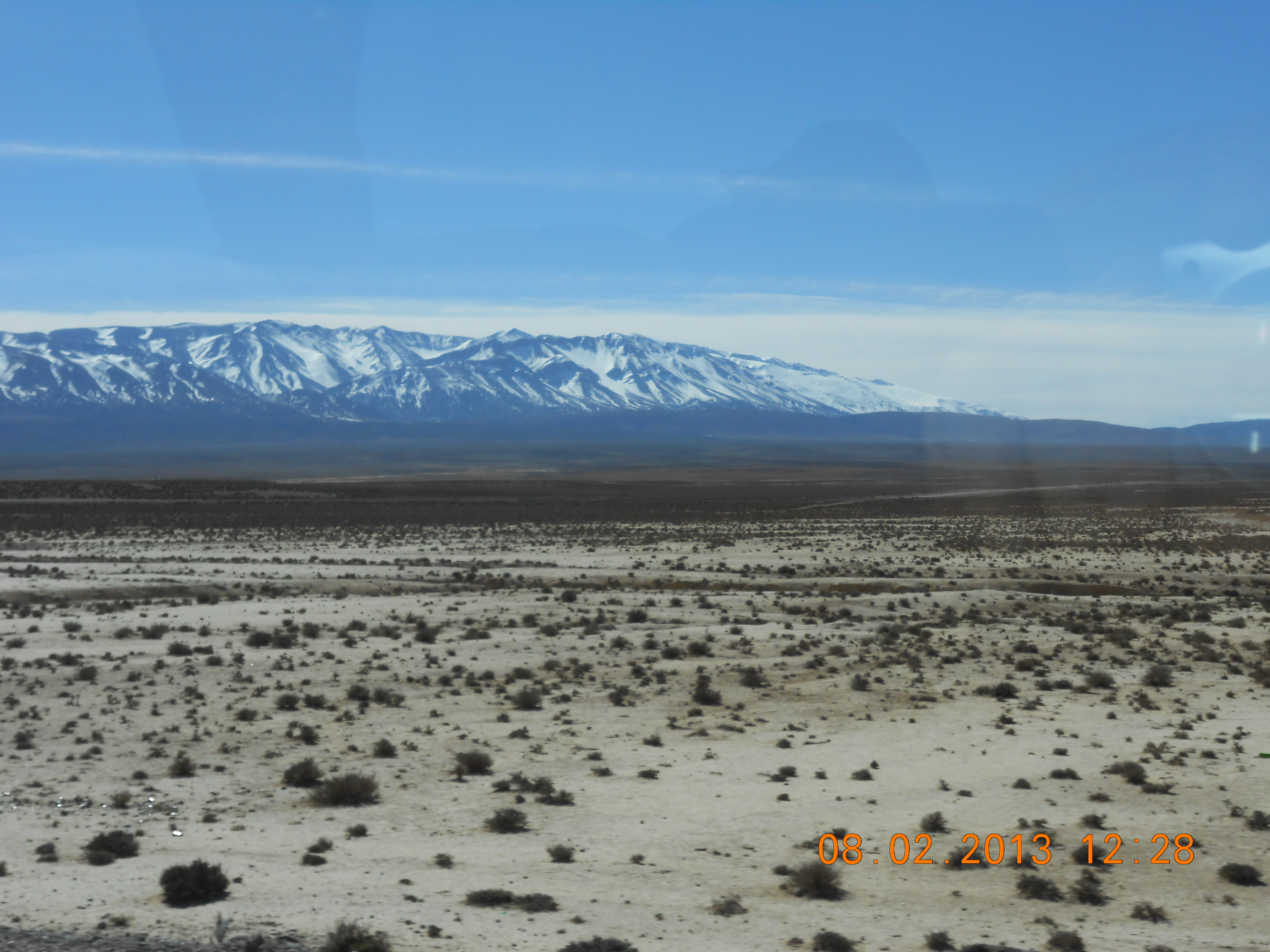
Beyond that still so medieval city, the modern disappears altogether into a kind of timelessness.  We journeyed over the Moyen Atlas, seeing fields of snow and herds of camels in places high and low.  We journeyed across the arid Plaine de Tamlelt, where we enjoyed the conundrum of a lunch of freshly caught and grilled trout served in a place so manifestly without water.  As we traveled, the landscape became more hostile and the lifestyle more precarious.  The villages consisted largely of one-story mud-brick structures that seemed everywhere on the verge of collapse.  Apart from herding the ubiquitous sheep, goats and camels, how could these people scratch a living from such a place?  Scratch they did, however.  Surrounding these friable yet durable huts were neighborhoods of contemporary, concrete structures, all in various stages of incompletion, most unoccupied.  Sidek explained that young men and women leave these villages for lack of education and employment opportunities to make a living in the cities of Morocco or Europe.  Yet, they never leave home in the sense that they return during their vacations to buy land and build houses—projects that can extend over decades—to which they hope eventually to retire.  Those who do not emigrate, barter and truck.  At every stop they appear, seemingly out of nowhere, surrounding the bus to sell all kinds of hand-made, sometimes quite lovely, trinkets:  camels plaited from palm fronds, jewelry polished from small fossils, scarves woven from local cotton.  On the very few dollars they earn from each sale, they somehow manage to survive.  At the far edge of the Tamlelt, the highway picks up the Wadi Ziz and follows it.  This shallow river in its deep gorge was once a great caravan route, leading from the desert into and across the mountains to the cities along the coast, a contested route as evidenced by the many ksar (fortified villages) and fortresses that mark its progress.  At the water’s edge is a lushly fertile strip, a surprising contrast to the wasteland surrounding it in all directions, that broadens eventually into the great oasis of Tafilalt.  For centuries it had offered haven to the merchants and teamsters who trafficked between the Niger River to the south and the Atlas Mountains to the north.   At the end of this oasis, and at the end of a seemingly endless day, we arrived at Erfoud on the edge of the Sahara Desert.

On the way to Erfoud and the Sahara- snow! Photo by Professor Thomas Max Safley.

On the way to Erfoud and the Sahara- snow! Photo by Professor Thomas Max Safley.

It seems a town in the middle of nowhere, like many other small communities in the Moroccan “out back,” but, it provides an excellent point of departure.  From Erfoud, we viewed the ruins of Sijilmassa, once a great caravanserai, one of the wealthiest cities of all Northern Africa, many times sacked and rebuilt, finally destroyed and abandoned in the 19th century.  Little of it remains now, mud-brick walls melting back into the desert sands from which they were built.  We inspected the ksar of Rissani with its warren of alleys and ruins.  We ventured to Merzouga, where camels transported us into the great erg, or dune sea, at sunset.  I say “ventured” because the road stopped well short of our destination.  We proceeded in four-wheel-drive vehicles, for which the lack of roads was no barrier.  At speeds of 40 miles per hour, I learned just how rough the reg, or stone desert can be.  Beyond Erfoud, along the “Route of 1,000 Kasbahs,” lies Ouarzazate.  A kasbah is a fortified dwelling, not unlike the fortified tower-houses of medieval Italian cities, such as San Gemignano, that housed several generations of a single clan.  Like the ksar, it is constructed entirely of sun-baked mud-bricks that dissolve eventually, if not constantly repaired and maintained.  Abandonment spells disintegration.  Hence, to preserve a material part of the Berber heritage, the government pays people to live in them, the lack of such modern conveniences as plumbing, sanitation and electricity notwithstanding.  Left alone, these structures never lose their intrinsic beauty and proportion, but quite literally recycle themselves within a generation of two.  What a stark contrast to the plastic permanence of the Hollywood sets that dot the landscape around Ouarzazate, the film capital of Morocco.  Here, American movie companies have made such blockbusters as The Mummy, Gladiator and The Kingdom of Heaven, and their structures, the most impressive of which, in my opinion, was the city of Jerusalem, have an ugly agelessness, very much at odds with indigenous construction.
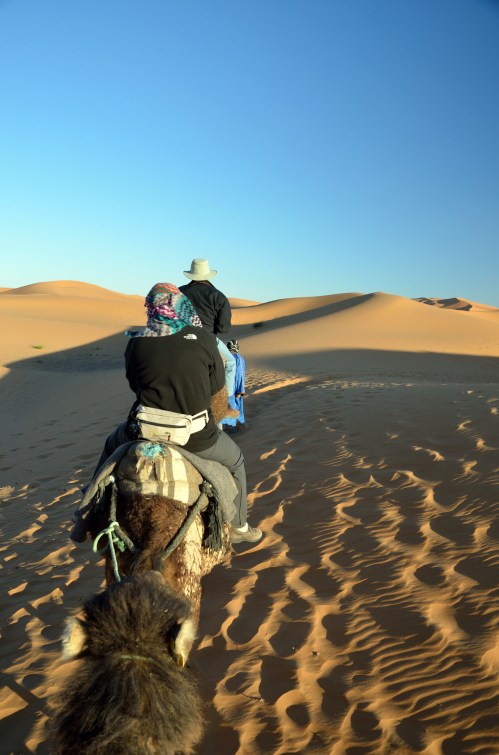
Penn alumni voyage across the desert on camels. Photo by Penn alumnus Murray Sherman, GR’69.

Penn alumni voyage across the desert on camels. Photo by Penn alumnus Murray Sherman, GR’69.

Camel passage. Photo by Penn alumnus Murray Sherman, GR’69.

Camel passage. Photo by Penn alumnus Murray Sherman, GR’69.

I wonder, whether there is anything more to Ouarzazate.  We barely paused there, arriving late and leaving early.  Our road led now to Marrakech, for Westerners synonymous with Morocco itself.  Yet, before we got there, the way passed by Ait ben-Haddou and over the Haut Atlas.  Ait ben-Haddou is one of Morocco’s best-preserved ksar, a village of tightly packed kasbahs that sits blood red on the shoulder of white sandstone mountains at the bend of the Ounila valley, where palm trees and vegetable gardens border the wadi.  Achingly beautiful, it is, perhaps, one of the most spectacular sites I saw in a country filled with spectacular sites.  The Haut Atlas offer tremendous vistas across mountain ranges and into secret valleys.  The road traversed Tizi N’Tichka, a high-altitude, serpentine pass without benefit of guardrails that tests our nerves on more than one occasion.  Moroccan drivers seem to possess a kind of fatalism on the road.  Though their speeds are never reckless, their maneuvers bespeak a confidence at odds with the situation.  They seem unfazed by passing on a blind curve, between granite and the abyss.  At one point, I spied a young man, probably a shepherd, lying on his side at the edge of the road, absorbed in the show.  To each passing vehicle he waved.  Was he greeting or encouraging?
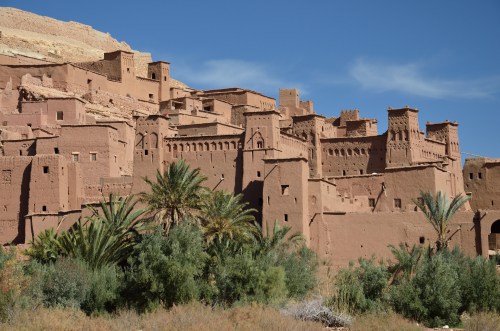
Ait ben-Haddou, a village of tightly packed kasbahs. Photo by Penn alumnus Murray Sherman, GR’69.

Ait ben-Haddou, a village of tightly packed kasbahs. Photo by Penn alumnus Murray Sherman, GR’69.

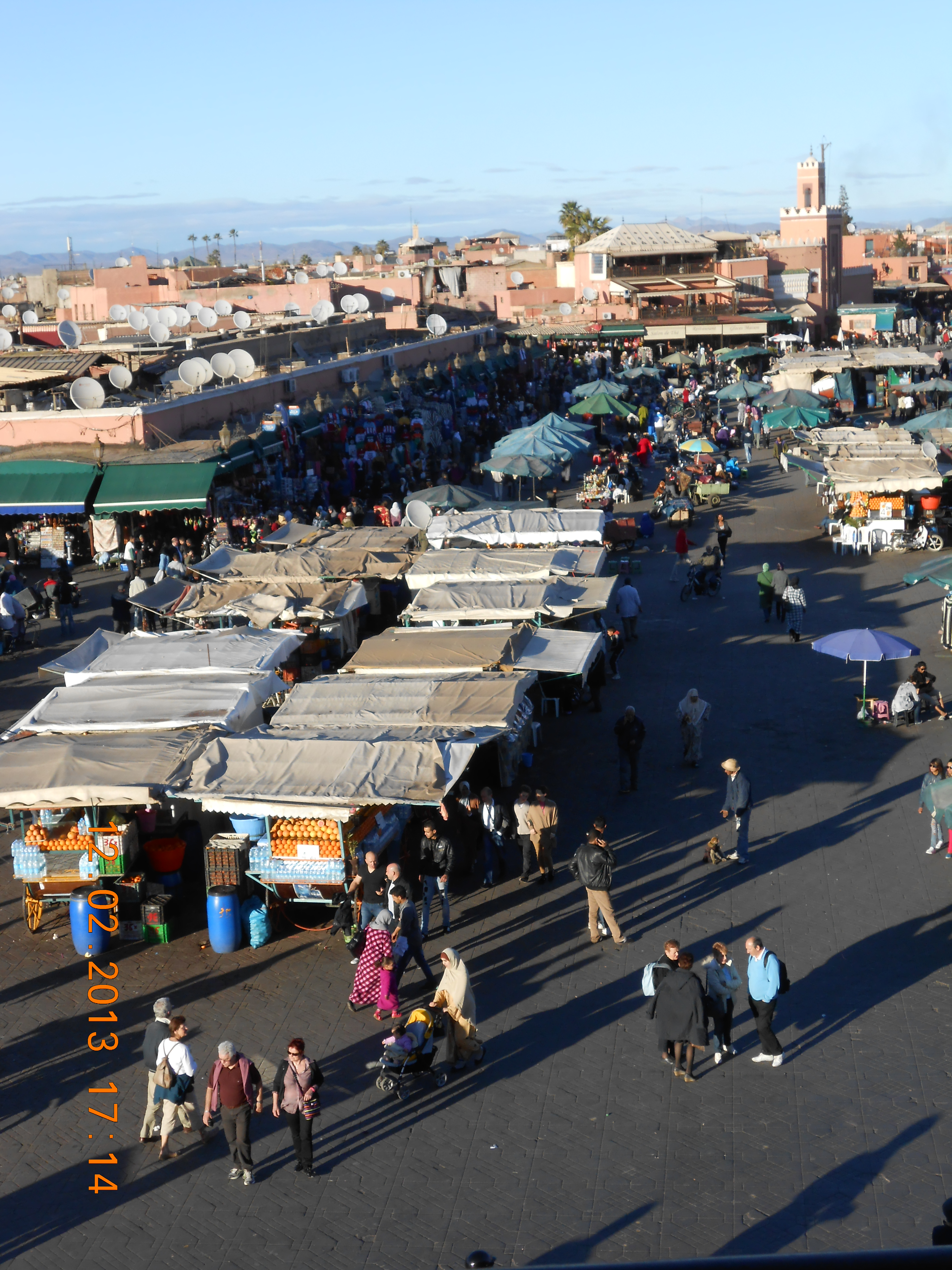
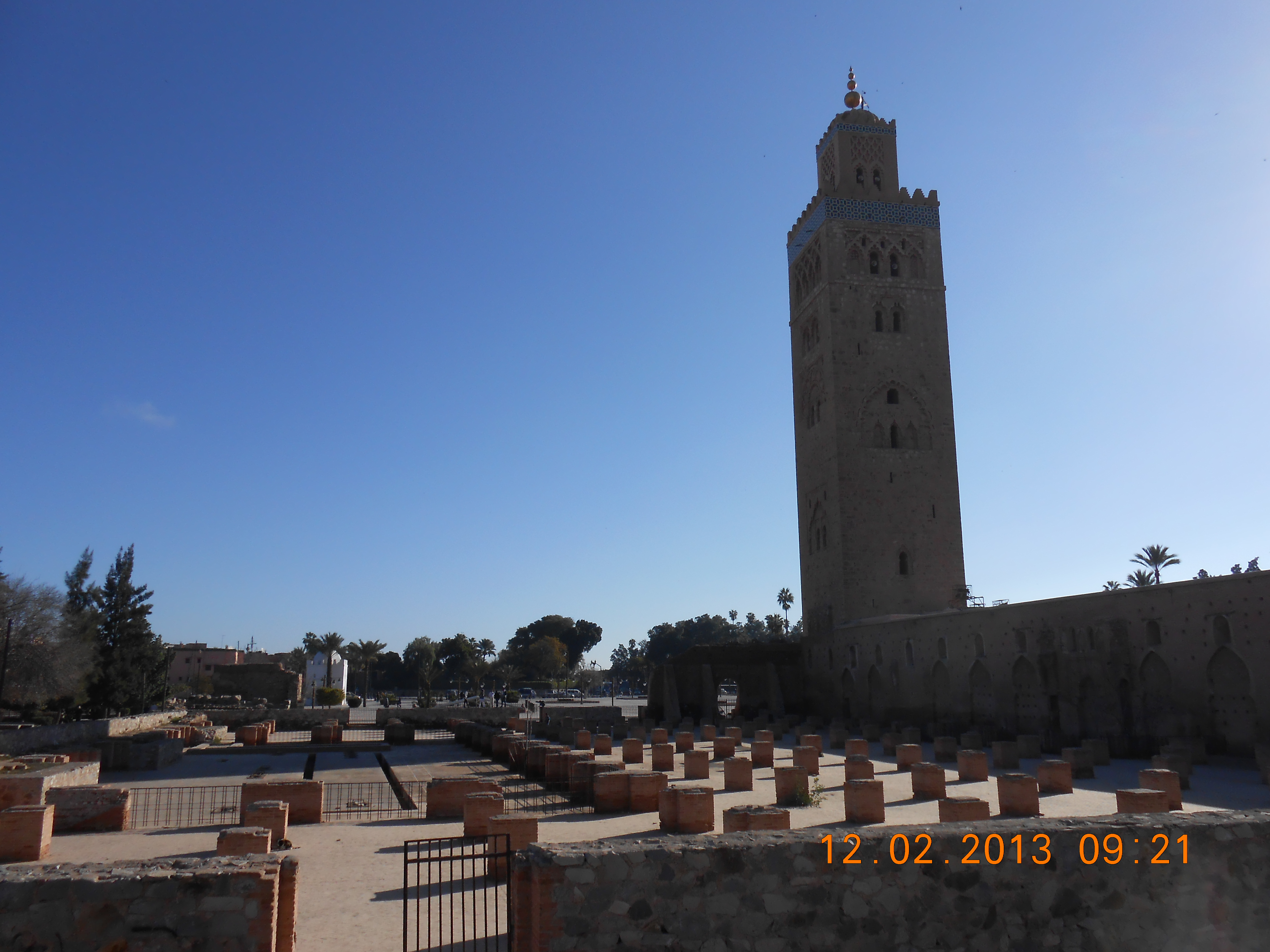
From the high pass, the road wound down into the lush coastal plain, and we arrived at dusk in the city of Marrakech.  I got the impression that most of my companions were looking forward to our stay here.  I was.  In the minds of many, Marrakech stands for Morocco.  Indeed, the entire country was long known in the West as the Kingdom of Marrakech.  The generation that came of age in the city recognized Marrakech as a different sort of Mecca.  It is, by all accounts, Morocco’s most cosmopolitan and, according to some, most beautiful city.  But I found it Morocco’s most disappointing city.  Certainly, Marrakech has much that is sophisticated, beautiful and interesting.  No visit to Morocco would be complete without time spent there.  One can stroll the spectacular Jardin Majorelle, donated to the city and the world by Yves St. Laurent and Pierre Bergé.  There, too, one finds the Musée Berbère with its unique exempla of Berber arts and crafts.  Not to be missed are the Koutoubia Mosque with its soaring minaret and the Palais El Badii and the El Bahia Palace, evidence of the wealth and power of Moroccan sultans.  The medina with its extraordinary artisans, aggressive salesmen and bewildering passages and the souk, Djemaa El Fna, meet every expectation of Morocco.  Yet, Marrakech did not impress me the way Fez had done.  Perhaps I was tired at the end of a long journey.  I nonetheless had an irrepressible sense of the artificial or, perhaps better put, of a city acted out with Westerners in mind.  The city is real enough, as are its inhabitants.  They display what I had by now come to think of as Moroccan courtesy and hospitality, which is high praise.  Unlike Fez, however, here they seemed to me to be putting on a show.  Though there were plenty of Moroccans in the Menara, I do not recall many in the Majorelle.  I did not get the same sense of Moroccans shopping in the medina to meet their daily needs.  These shops seemed designed for the tourist trade.  The Djemaa El Fna lived up to its reputation as the busiest open-air market in all of Africa, and to call it colorful is to understate the case, but its snake charmers, monkey handlers and street musicians seemed intent upon Western custom.  Not so much a city or even a museum as a carnival.  As I write, I think this cannot be accurate.  It was a fascinating city.  Why was I not fascinated?  What did I miss?  I will have to go back.
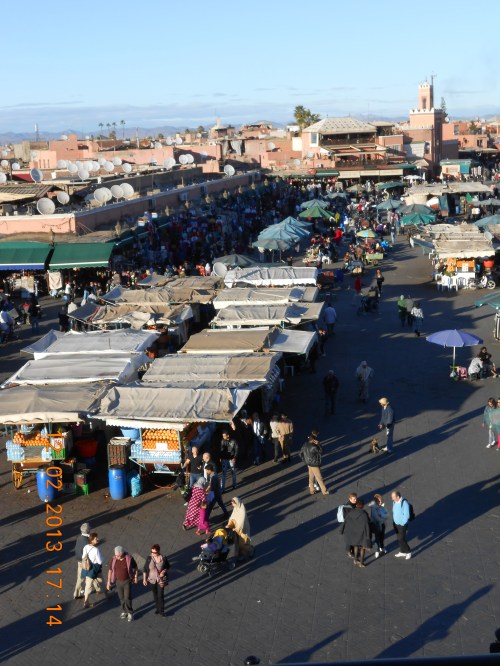
The souk, Djemaa El-Fna. Photo by Professor Thomas Max Safley.

The souk, Djemaa El-Fna. Photo by Professor Thomas Max Safley.

The Koutoubia Mosque of Marrakech. Photo by Professor Thomas Max Safley.

The Koutoubia Mosque of Marrakech. Photo by Professor Thomas Max Safley.

Of Casablanca, I have little to say.  It remains to me nothing more than a port of entry and exit.  I have no real impressions of it beyond a too sudden return to the modern.  Expansive suburbs and a high-rise center speak to the global urban experience in ways that leave no unique mark or memory.  Of course, there is Rick’s American Café, located near the harbor.  We had a meal, such as we might have eaten in any American restaurant, but in a place meant to invoke the classic movie of 1942, an American story and the American self-image.  I enjoyed myself thoroughly, as I had throughout the trip, but I suspect I was ready to go home.  And the next day I did.

[For more information about Penn Alumni Travel or to browse our upcoming tours (including our November departure to Morocco), click here. To view all the pictures from this tour, click here.]

3 Comments

Filed under Faculty perspective, Penn Alumni Travel, Travel

The Franklin Flyers

Author: Emilie Kretschmar LaRosa

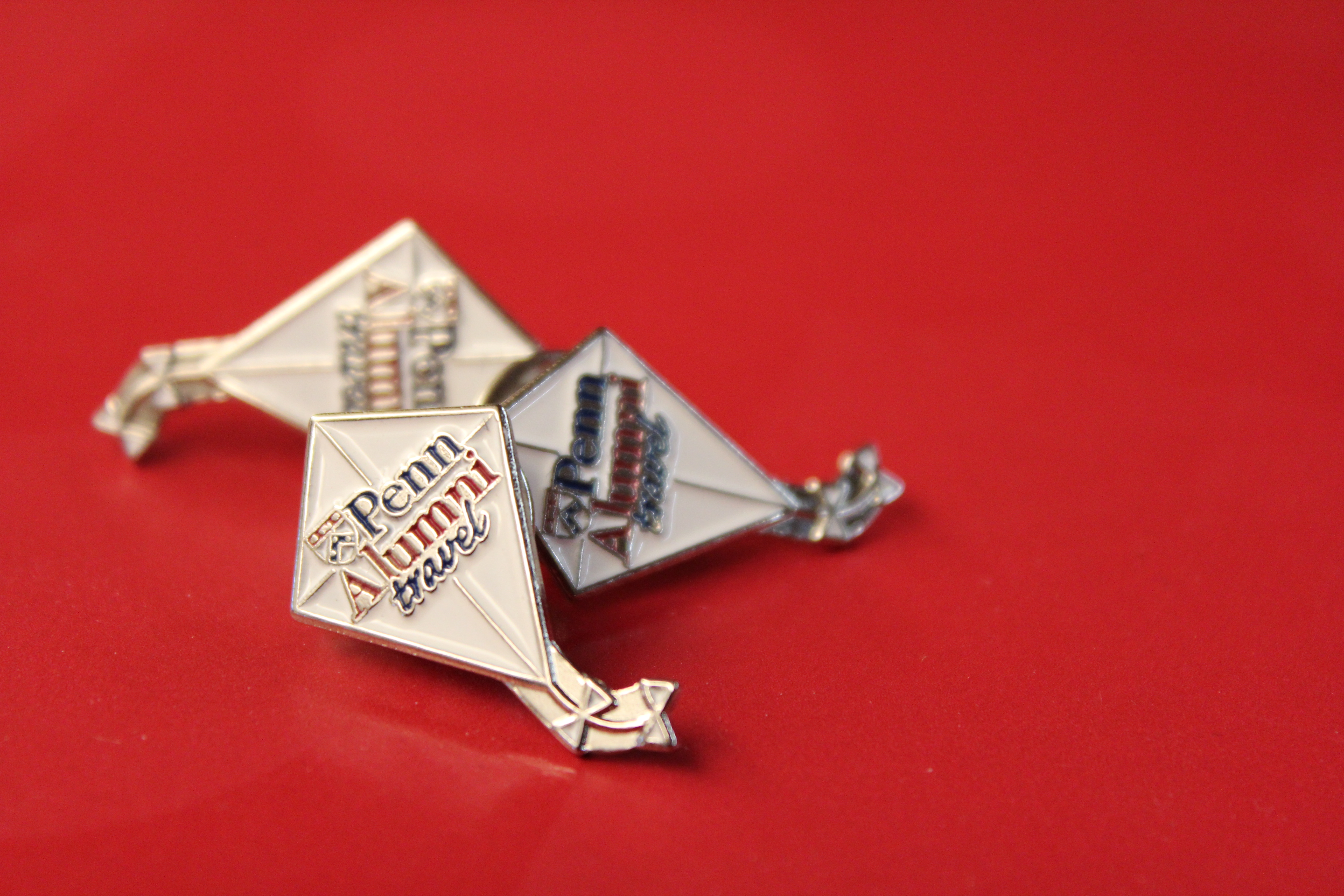
Penn Alumni Travel is launching a new program: The Franklin Flyers. The Franklin Flyers is our brand new frequent traveler program, and a way for us to show our appreciation to all our loyal Penn Alumni passengers. Now, when you travel with Penn, you automatically earn credit towards great gifts and benefits.

Official Franklin Flyer kite pin. Looks great on blazers, cardigans, camera bags, and other accessories!

Official Franklin Flyer kite pin. Looks great on blazers, cardigans, camera bags, and other accessories!

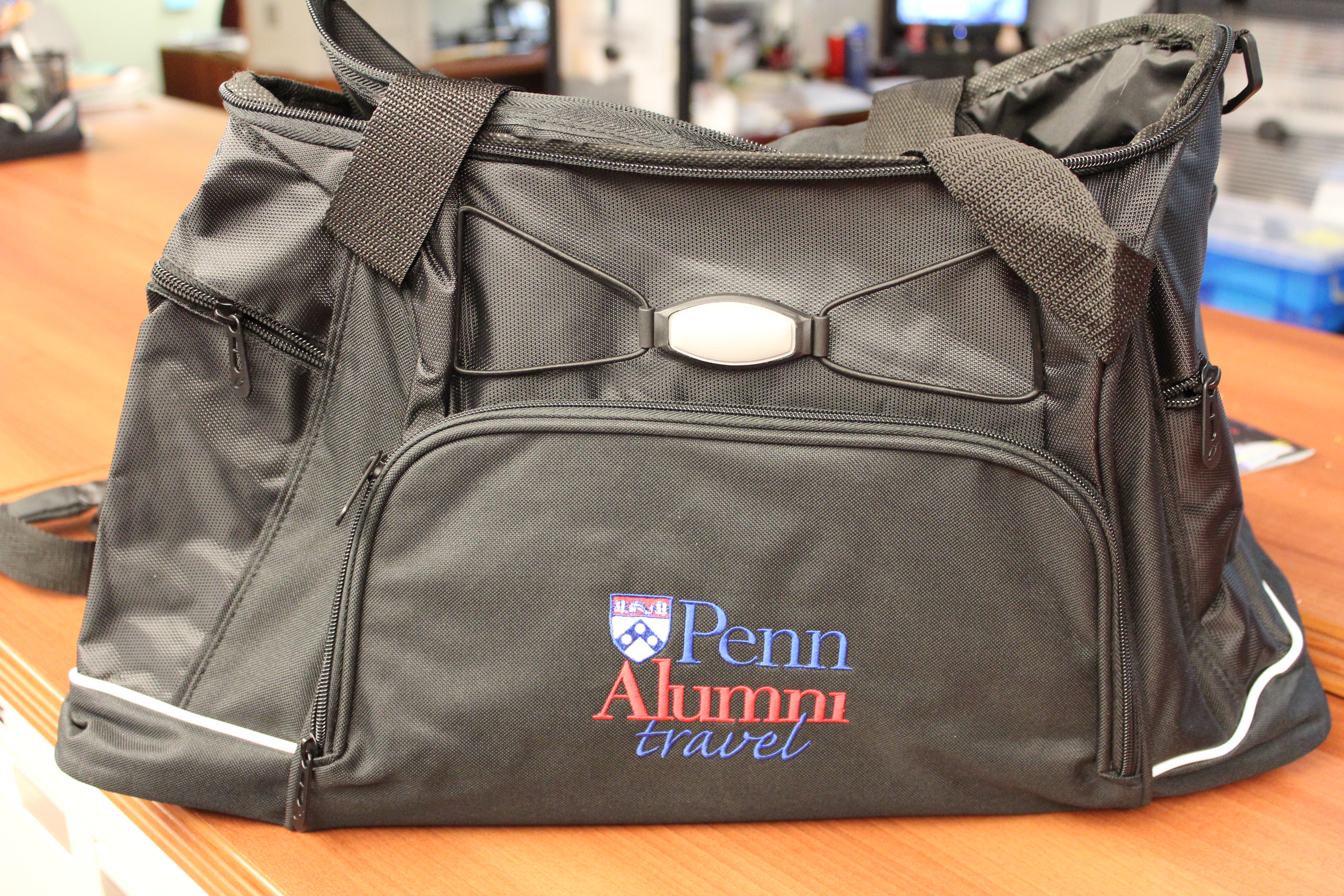
There are three levels: Silver (2-4 trips), Gold (5-7 trips), and Platinum (8 or more trips). As soon as you take your second trip with us ,you are enrolled in the Silver level and are sent a Franklin Flyer kite pin and a handy travel reading light. Each level has its own set of great travel gifts concluding with a beautiful and useful Penn Alumni Travel carry-on bag at the Platinum level.

Silver level travel reading light. We love how compact and flexible it is.

Silver level travel reading light. We love how compact and flexible it is. Join us on 2 or more trips and this could be yours!

The perfect travel bag. Platinum level Franklin Flyers will benefit from this great carry-on tote.

The perfect travel bag. Platinum level Franklin Flyers will benefit from this great carry-on tote.

You can also earn rewards by referring friends to our program. If a referred friend ends up taking one of our fantastic tours, the referrer earns a $100 credit towards a future trip and the friend earns a $50 credit. Not a bad deal!

With so many travel options available today, we truly appreciate the support of our alumni who continue to book our trips year after year. One of the most special things about a Penn Alumni Travel trip is the people you’ll meet. The camaraderie of Penn alumni coming together and exploring the world is unique and special, and I hope the Franklin Flyers will encourage more people to join us. The year’s not over. You can still book a 2013 tour with us, and soon we will be announcing our 2014 schedule.  A little sneak peak for all you bloggers- 2014 will include trips to:

  • Cuba – January 2014
  • Antarctica – February 2014
  • The Galapagos – September 2014
  • Myanmar – November 2014
  • And 20 other fantastic destinations! Stay tuned to our website and e-newsletter for details.

If you’re interested in any of the trips above, shoot me an email at emiliek@upenn.edu and we’ll add you to a priority mailing list.

Leave a comment

Filed under Emilie, Penn Alumni Travel, Travel

Explore the World at Home

Author: Emilie Kretschmar

Penn Alumni Travel is now offering travel webinars on specific countries and destinations across the world. This winter and spring, you can learn about Morocco, Belgium, the Netherlands, and Italy from the comfort of your own home. Each webinar is hosted by a Penn professor who is also leading one of our 2013 educational tours. This is a great opportunity for past, present, and future Penn alumni travelers to learn about some of our beautiful destinations.

We began our travel series last month with a discussion about the varied landscapes of Morocco (if you missed it, don’t worry! You can still catch a recording here). Professor Tom Safley of Penn’s history department presented an overview of the history, culture, and topography of this Northern African country. Each webinar is followed by a  Q&A session so, when you join us for our next travel webinar, bring your questions. Professor Safley and 25 lucky Penn alumni left for Morocco on Saturday and are due to return next week. Look for a blog about their adventures later this month.

You haven't missed the boat yet. We have a second departure to Morocco in November. Visit our travel website for more details.

You haven’t missed the boat yet. We have a second departure to Morocco in November. Visit our travel website for more details.

Next month, we will be offering two more travel webinars: Perspectives on Holland and Belgium and Perspectives on Italy. Professor Simon Richter of Penn’s Germanic Literatures and Languages department will discuss Holland and Belgium on March 13at noon (EST). You can register for this free webinar here. Professor Michael Gamer of the English department will discuss Italy on March 11at noon. (EST). To register for this free webinar, click here.

Dutch Windmills

Dutch Windmills

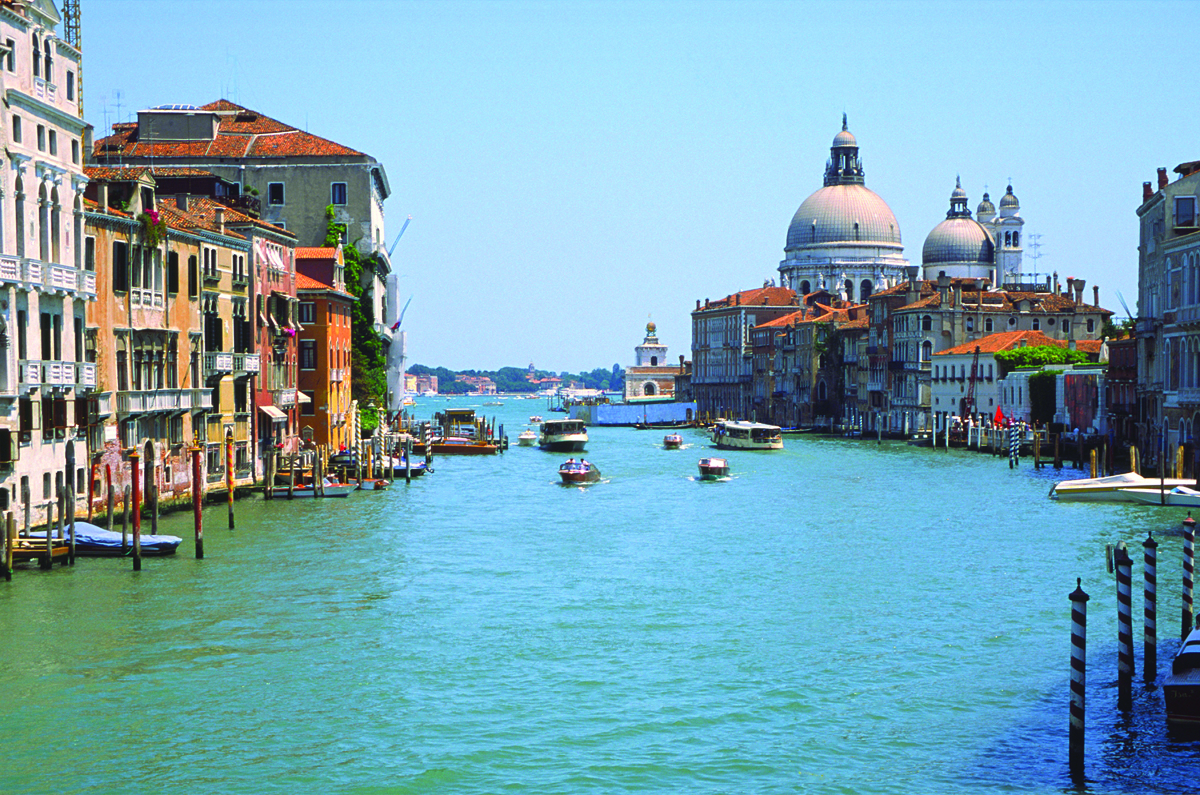
View of Venice

View of Venice

We will be adding additional travel webinars to our lineup this spring, so check our website often to take advantage of this free opportunity, or sign-up for our travel e-newsletter here.

This webinar series is but one of the many lifelong learning opportunities we offer to Penn alumni. Visit our Penn Alumni Education website for more information about events (on campus, online, and regionally) and classes. In particular, you can register for one of our Office Hours webinars where one of Penn’s dynamic faculty members presents a live and interactive discussion on a relevant topic. Join us, and continue to learn and explore with your Penn Alumni community.

Leave a comment

Filed under Alumnni Education, Emilie, Penn Alumni Travel, Travel

Sketches of Spain – Penn Alumni Travel 2012

Author: Gwendolyn DuBois Shaw, Associate Professor of American Art, Faculty Host

It was a rainy day in October when our airplane touched down at Aeroport del Prat on the outskirts of Barcelona.  From the first moments in the baggage claim, when our Penn Alumni Travel luggage straps identified me and my husband John as fellow voyagers on the Sketches of Spain, 2012, we were surrounded by new friends from the family of Penn alums – friends that I have come to know and appreciate during the past four years that I have been accompanying these trips as a faculty host.  Our choice to travel off of the standard itinerary meant that we were not met at the airport by the tour director, Nani Gonzalo-Vargas, but thankfully, those magical luggage straps meant that we soon connected with another Penn couple in the same situation and were able to share a cab together into Barcelona.

Our new friends were on their third or fourth alumni trip and, like us, were traveling independently so that they could add a few extra days on at the end and visit a few cities that were not on the itinerary.  As the four of us discovered toward the end of the trip, and the gathering force of Hurricane Sandy began to threaten our easy return to the East Coast of the United States, this was both a good and a bad decision to have made.  But more on that later.

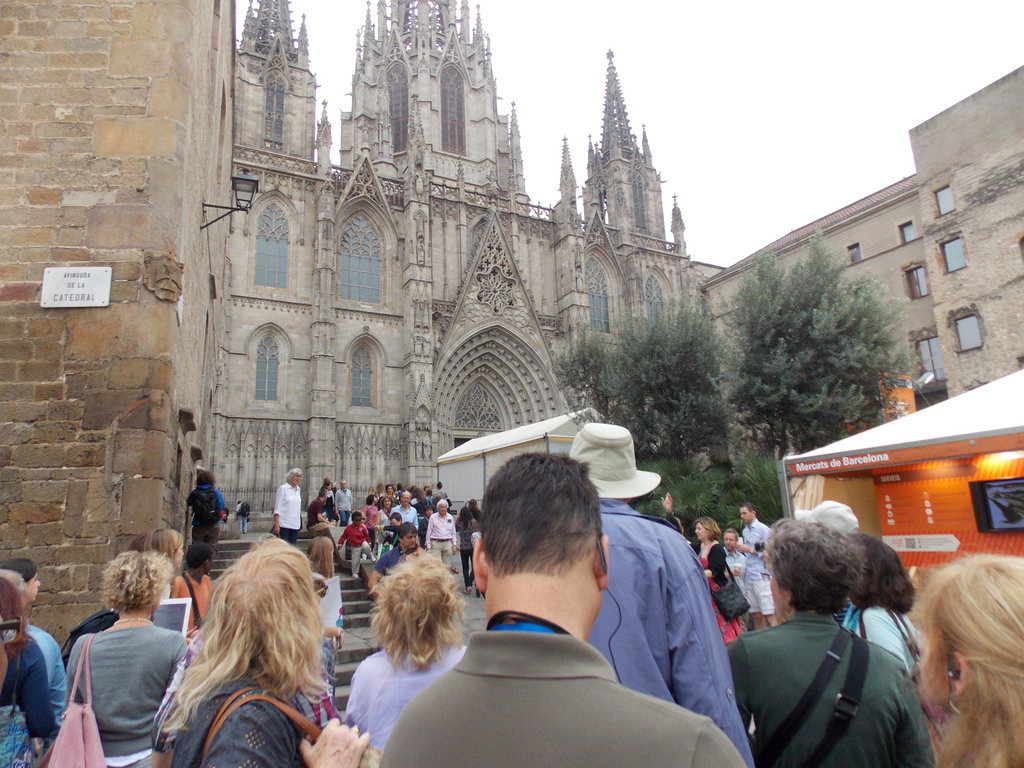
The Group at the Cathedral of Barcelona in the Medieval Quarter

The Group at the Cathedral of Barcelona in the Medieval Quarter. View all my pictures here.

Once at the Hotel Cristal, we met up with Nani, the tour director, and the other members of the group.  We were sharing the trip with members of the Rutgers and University of Maryland alumni associations, several of whom had made couples or family trips by bringing friends or siblings. After a day of recovery spent strolling the shopping districts of the nearby Rambla and eating marvelous food at La Boqueria, the largest and most dazzling of the many markets that characterize the sophisticated culinary world of the Catalunya region that Barcelona dominates, we adjusted to the time difference and were ready for the delightful and educational tours that make Penn Alumni Travel so special.

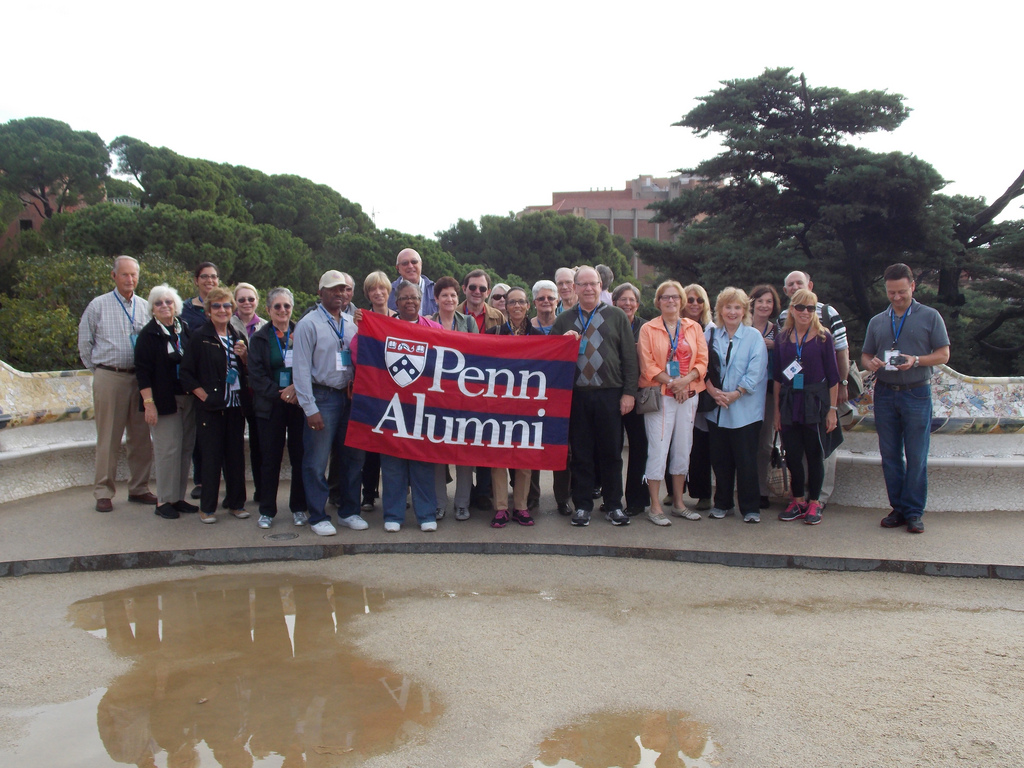
Our local tour guide in Barcelona was Santi, short for Santiago, a specialist in the rich architectural heritage of the city. We traveled with him by bus to the Olympic Park, the waterfront Athlete’s Village, and the absolutely stunning Cathedral of the Sagrada Familia and the Park Guell, both designed by the renowned art nouveau architect Antonio Gaudí.  At the Park Guell we learned about the innovative techniques of glass and ceramic mosaic used by Gaudí and his workmen.  While there I was able to talk our whole group into posing for a picture!  Say, “Queso!”

The Group at Park Guell

The Group at Park Guell.

Later that day, Santi guided us through the complex architectural program of the Sagrada Familia, a vast and breath-taking cathedral that was begun over one hundred years ago and is still under construction. While waiting for our entry time to be called, we were fortunate to see the building of a human castle, a community activity in which groups of Catalans compete to see who can successfully build and deconstruct the tallest human tower!  This was a really a remarkable undertaking to witness, and I enjoyed seeing the little children, whose job it is to stand steady atop the shoulders of their older compatriots, prepare themselves by strapping on protective head gear and wrapping their waists in the characteristic scarves that are used as grappling tools when climbing atop the stacked bodies!

Here is a link to the video of the Castle Competition.

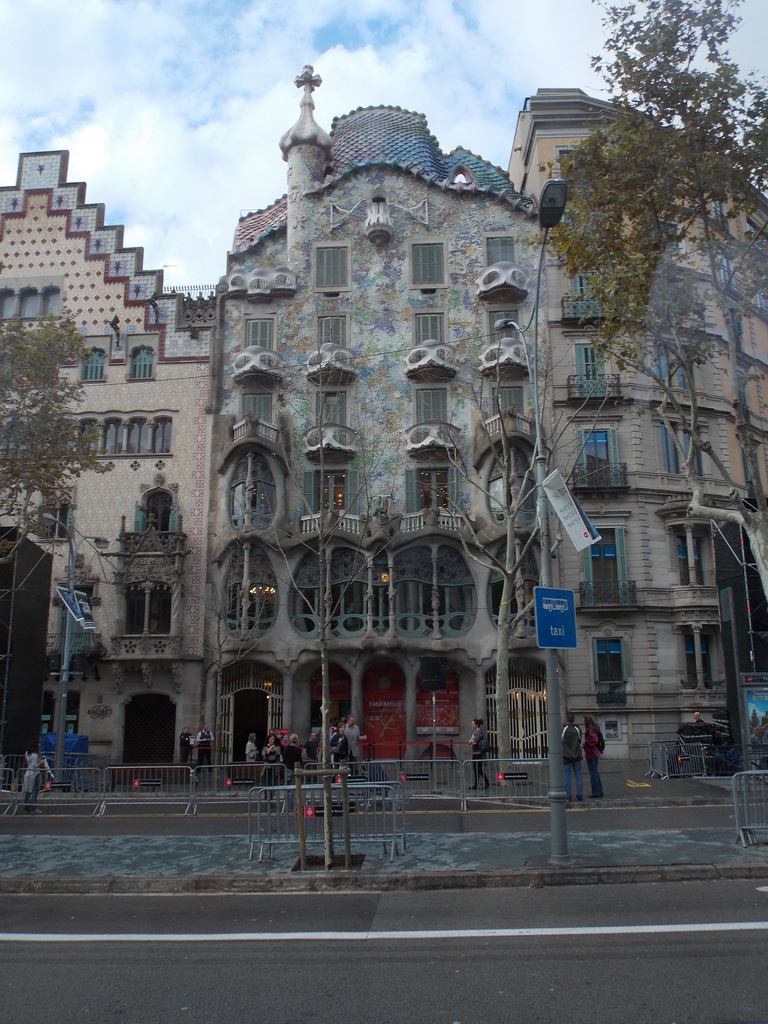
Our last night in Barcelona we had a beautiful and exceptionally tasty group dinner across the street from another Gaudí building, Casa Battló on the fashionable Passeig de Gràcia.  That night the elegant art nouveau building was the site of an elaborate series of digital video projections that caused the façade of the structure to appear to come to life!  The narrative of the projection involved the animation of the dragon motif that Gaudí integrated into the building’s program, an homage to Barcelona’s patron saint George, who is known for his heroic feat of slaying a dragon.  It was remarkable to witness this contemporary artistic transformation of a cultural landmark into an evening’s entertainment for both residents of the dynamic city and tourists alike.

Here is a link to the video of the Casa Battlo animation.

Casa Battlo during the day

Casa Battlo during the day.

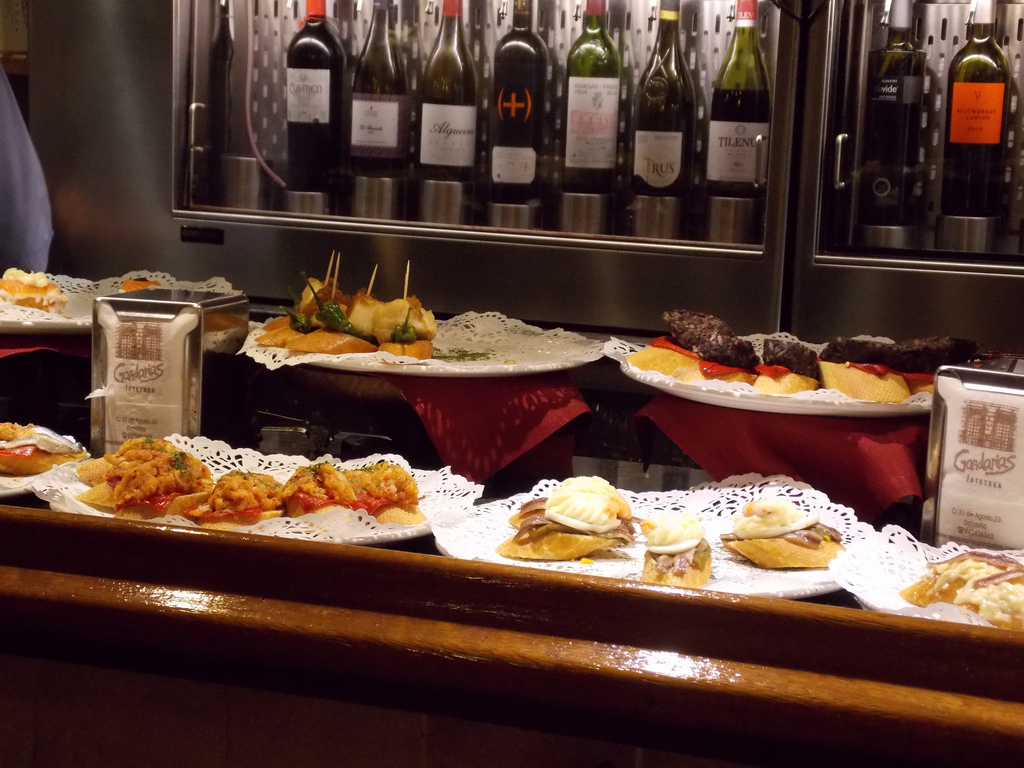
The following day, we departed Barcelona and Catalunya for the north of Spain and our visit to the Basque Country.  After a short plane ride we found ourselves in the charming seaside town of San Sebastián.  That day, we had (hands down) the best group meal of the trip at an unassuming little pintxos bar in that city’s old quarter.  Pintxos are small bites of food, similar to tapas, that are typically served on little wooden skewers that pierce their centers, thereby giving them their common name (pintxo being Basque for spike).  Over the course of two hours, we feasted on succulent lamb, incredibly fresh seafood harvested from the region’s cold Atlantic waters, and fragrant cheeses made in the grassy hillsides to the east, washing it all down with bottomless glasses of refreshing local wines.

Pintxos in San Sebastian

Pintxos in San Sebastian.

After lunch, the group dispersed, and my husband and I chose to stroll through the city and enjoy the vibrant street life, watching Basque families chatting with their friends and neighbors as their children played in the numerous squares and parks that characterize this close-knit community of about 200,000.  That night we learned a great deal more about the region and its remarkable history from a local specialist who told us about the history of the Basque language (one of the oldest and most unique in Europe) and the difficulties that this culturally and linguistically distinct group of people have historically had with their ambitious neighbors.  It was especially affecting to learn of the fascist persecution of the Basque when during the 1930s General Franco attempted to dominate them through a program of genocidal bombing.  Following the lecture we were joined for dinner by a dozen English-speaking residents of San Sebastián who ranged in age from about 15 to 50.  This was a real treat as it allowed members of our group to better understand the cultural differences and similarities between not only the Basque and other Spaniards, but with ourselves as well. Zorragarri! (“Wonderful” in Basque).

While in San Sebastián and the Basque Country, we also visited the Guggenheim Museum in the industrial hub of Bilbao and the small city of Pamplona.  Certainly, the works of modern and contemporary art that were on view in Frank Gehry’s masterpiece of museum design were impressive, but I was most charmed by the narrow medieval streets of Pamplona. Best known to Americans as the site of the Festival of San Fermín and the running of the bulls through the streets to the arena, Pamplona is also a stop on the Camino de Santiago, which runs across the north of Spain to the pilgrimage site of Santiago de Compostela.  While strolling the streets here we encountered many pilgrims with their heavy rucksacks and walking sticks, all walking toward their final goal of reaching the resting place of the bones of Saint James.  That afternoon we had lunch at the Café Iruña, a favorite restaurant for the author Ernest Hemingway, who first made the city known to Americans in his 1926 novel The Sun Also Rises.  With its tin ceiling and brocade wall paper, the Iruña is an incredible time capsule back to the 1920s and the days when bullfighting was a bit nearer to the heart and soul of Spanish culture.

The Guggenheim, Bilbao

The Guggenheim, Bilbao

City Hall in Pamplona

City Hall in Pamplona

We departed the Basque Country by bus, stopping briefly in Burgos, where we toured the great Gothic Cathedral that is the resting place of the medieval warrior El Cid and his wife Doña Jimena.  At the end of the day we arrived in the Spanish capital of Madrid and checked into the Hotel Wellington, a truly gracious English hotel where many of us were given unbelievably large junior suites!  What a treat and what a nice way to close out our travels through Spain: in its largest and most impressive city.  Here we see a group of Quakers posing before the famous sculpture of Don Quixote and Sancho Panza!

Quakers with Don Quixote and Sancho Panza in Madrid

Quakers with Don Quixote and Sancho Panza in Madrid.

While in Madrid, our tour director Nani served as our local guide and gave us both a highly informative lecture on modern Spain as well as an absolutely stunning tour of the treasures of that country’s most important museum, the Prado.  As a professional art historian, I often find typical docent tours in museums to be a little less than stimulating as many of them choose to focus on the biography of the artist or the story that is depicted in the painting. Because this information often mirrors the didactic materials that are found on the wall labels, I don’t usually find that such tours give me much new information.  But Nani’s tour was a real stand out in that she really encouraged the members of our group to look closely at the paintings and appreciate the skill and technique of each of the artists.  She also placed each of the works in a historical context of their own and in relation to each other, Spanish art history, and Western art history as a whole.  It was really marvelous and I learned so much!  Brava y muchas gracias, Nani!

The view of Toledo.

The view of Toledo.

The second to last day on the itinerary found us in nearby Toledo, where we visited the Cathedral and the Jewish Quarter.  For many members of the group (including myself), who come from Jewish backgrounds, this was one of the most spiritually affecting parts of the trip as we walked narrow medieval streets and toured the old Sinagoga del  Transito, where our Sephardic ancestors had not lived and worshipped openly since the Inquisition.  Founded in 1356 and used as a temple for less than two hundred years, this remarkable building bears the visual confluences of the region with both Hebrew and Arabic inscriptions as well as a massive Mudéjar paneled ceiling.

As our trip came to a close, many of us began to worry about making a safe return to United States as the international news was now dominated by reports of the gathering force of Hurricane Sandy, which was due to make landfall on Tuesday – the very day on which my own flight was booked to return to Philadelphia!  The majority of the group was able to return home on Sunday as planned, but those of us who had made other arrangements were a bit more up in the air (so to speak) with our travel plans.  Thankfully, the folks at Penn Alumni Travel and Alumni Holidays International worked around the clock to make sure that everyone who needed to be was rebooked and felt comfortable with their new itineraries.  It was really comforting to know that we were not alone in making our new arrangements and that we had professional travel specialists on our side – a very different feeling than working with the interchangeable and often harried airline representatives on one’s own!

A night view of the Alhambra in Granada.

A night view of the Alhambra in Granada.

Because my planned flight on Tuesday was no longer an option, I was rebooked for Friday morning.  This was a change in plans for which I found no sympathy from friends or colleagues!  Being “stuck” in Madrid due to inclement weather is very different on the scale of travel inconveniences than being stranded in Charlotte or some other domestic location!  Needless to say, my husband and I took advantage of this extra time in Spain and visited a few other cities that had not been on the tour.  Purchasing a special SpainPass rail ticket, we went south to the Andalusia region of Spain, traveling first to the breath-taking Alhambra in Granada, then to the gorgeous city of Seville (known for its vibrant night life and flamenco culture), before ending up on the whitewashed streets of Cordoba, where we toured the Great Mosque and visited the once-forgotten, pre-expulsion synagogue in the old Jewish Quarter.  This final encounter with the architectural remnants of Sephardic culture in Spain was emotionally overwhelming for me: being both a cathartic and an inspiring way to close out my adventure in Spain.  My mother’s family is of both Ashkenazi and Sephardic origins, but we know far more about our ancestors who came from Central and Eastern Europe than we do those who once lived on the Iberian Peninsula.  Seeing these once vibrant spaces with their moorish-inflected Mujédar architecture gave me fresh insight into that past and sparked new interest in trying to recover this important part of who I am and where my people come from.

The interior of the synagogue in Cordoba.

The interior of the synagogue in Cordoba.

When I was finally able to return to the United States, I spent several days dealing with downed trees on our property and rescheduling missed appointments.  Ultimately, however, I was thankful for the extra days in Spain the storm had given me and for another fantastic trip with Penn Alumni Travel!

[Interested in traveling with fellow Penn alumni? Visit our website to learn more about our program and to browse upcoming trips. You can view all of Gwendolyn’s pictures here].

1 Comment

Filed under Faculty perspective, Penn Alumni Travel, Travel

Shofar, So good

Author: Nicole Maloy, W’95

I never expected to see Israel. It was a place I hoped I might one day see, but such a trip was nothing I foresaw actually happening, let alone any time soon. Enter my colleague, Emilie, who works with the Penn Alumni Travel program. She came to my office door one afternoon with a smile on her face, and a glossy brochure in her hands. It read, “Israel: Land of Cultural Treasures.” Turns out the program needed a staff host, and that host would be me, if I was interested. If. Ha. Prudence dictated that I should reflect on it overnight. But as soon as she left, I looked at my new brochure, then skyward and said, “We both know I’m going, right?”

My time in Israel, just weeks ago, was by turns educational and surreal. I visited the Temple Mount. I walked among Roman ruins. I planted a tree. I toured a kibbutz. I heard a blessing in Hebrew and drank a toast upon entering the city of Jerusalem. I entered what remains of the synagogue in Capernaum where Jesus taught, just steps from where Peter lived. I heard a man trying out a shofar at the market. I stood atop Masada, and understood why it had been chosen as a fortress. I drew in a fishing net on a boat in the Sea of Galilee. Side note – I caught three fish! Woo! Of course we let them swim away – I think I heard one of them shouting, “FREEDOOOOOOOOOOOOOM” as it leapt from the net back into the water.

Below are just a few scenes from a trip, and a land, that I will never, ever forget.

This is an ancient theater in Caesarea.

This is an ancient theater in Caesarea.

My stage debut. Thank you, Judea!

My stage debut. Thank you, Judea!

Pardon the windy hair situation – just note that the camel is looking directly into my camera.

Pardon the windy hair situation – just note that the camel is looking directly into my camera.

Original mosaic floor of an ancient synagogue in the city of Beit Alpha.

Original mosaic floor of an ancient synagogue in the city of Beit Alpha.

Closeup of some of the decoration on the church built over the remains of Peter’s house in Capernaum. Check out the fish.

Closeup of some of the decoration on the church built over the remains of Peter’s house in Capernaum. Check out the fish.

At the Temple Mount, in front of the Dome of the Rock.

At the Temple Mount, in front of the Dome of the Rock.

Planting a tree as part of Israel’s reforestation effort. I named this one Ben Franklin.

Planting a tree as part of Israel’s reforestation effort. I named this one Ben Franklin.

Adorable baby ibex greets us at the Ramon Crater.

Adorable baby ibex greets us at the Ramon Crater.

Reception in Jerusalem with the regional Penn alumni club!

Reception in Jerusalem with the regional Penn alumni club!

At the Israel Museum – below this dome are the Dead Sea Scrolls.

At the Israel Museum – below this dome are the Dead Sea Scrolls.

Move over, Indiana Jones! Penn alumni step into the country of Jordan to visit the beautiful, ancient stone city of Petra.

Move over, Indiana Jones! Penn alumni step into the country of Jordan to visit the beautiful, ancient stone city of Petra.

I couldn’t have said it better myself.

I couldn’t have said it better myself.

Interested in taking a trip with Penn Alumni Travel? Check out their new website here.

2 Comments

Filed under Alumni Perspective, Alumni Programming, Nicole M., Penn Alumni Travel, Travel

Penn Alumni Travel: Greece and Turkey

Author: Emilie Kretschmar

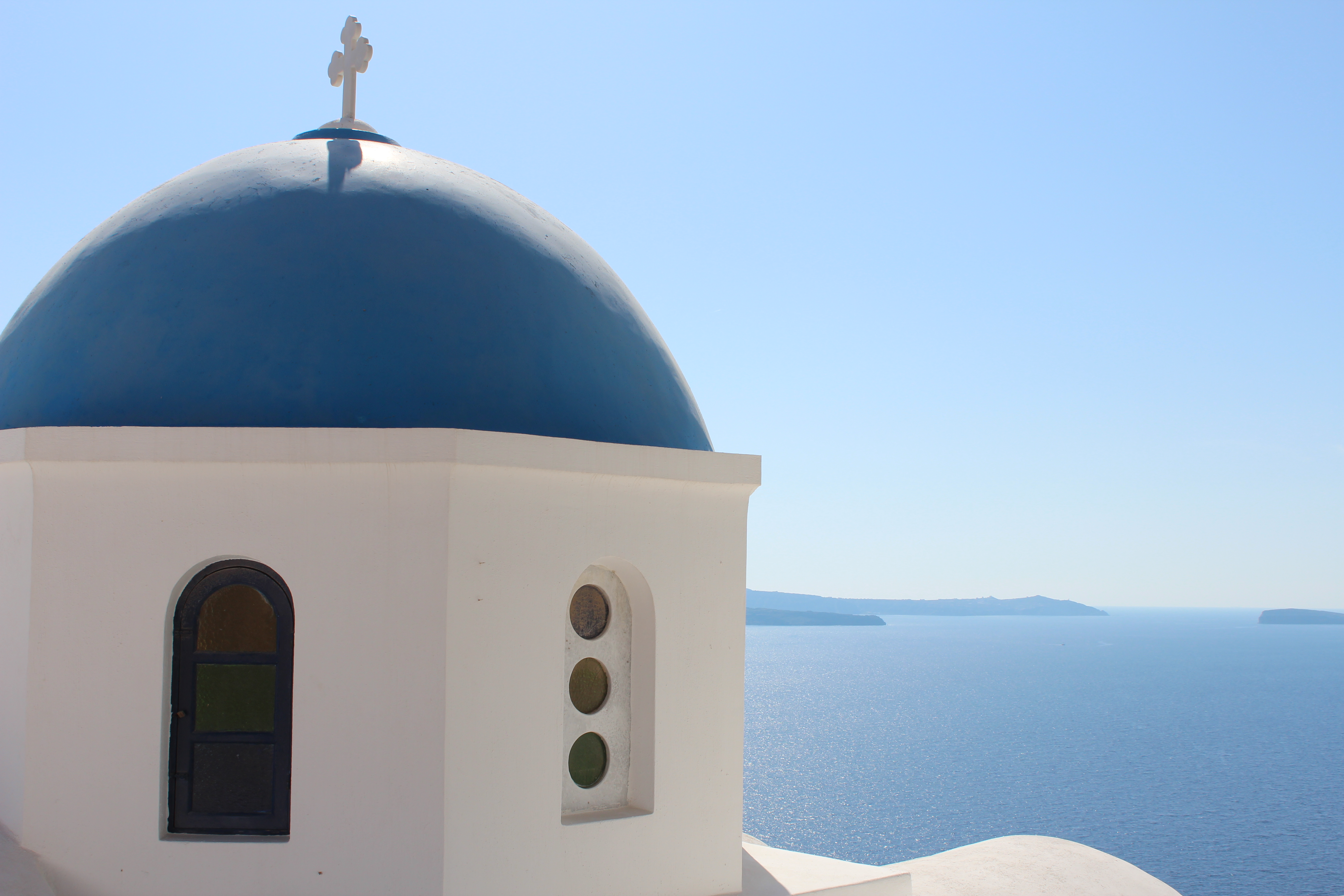
Blue was the theme on my latest tour with Penn Alumni Travel: Island Life in Ancient Greece and Turkey. Have you ever sailed the Mediterranean and Aegean Seas? If so, this will sound familiar to you- endless blue water rising to meet an equally infinite blue sky, blue waves lapping against fishing boats painted a bright azure, and blue doors and rooftops dotting the island landscape.

Blue, blue, and more blue. A view from the Island of Santorini.

Blue is the color du jour in the Greek Islands and our Penn Alumni fit right in with their new Penn gear: (dark) blue hats from Penn Alumni Travel. We set sail from Athens on a beautiful 200-passenger French ship complete with its own French pastry chef. Our first stop was Delos, the mythical birthplace of Apollo and Artemis, followed by the island of Mykonos with its iconic windmills.

Penn alumni enjoy our tour of the ancient ruins at Delos, a UNESCO World Heritage site.

Santorini was a highlight for many of the boat’s passengers. Santorini’s fantastic landscape was formed after a volcanic eruption destroyed the earliest settlements on a formerly single island, and created the current geological caldera. Five islands of varying sizes now encircle a calm lagoon. The postcard views of whitewashed buildings hugging a steep cliff that many of us know and love are just as spectacular in person.

The town of Oia on the Island of Santorini.

Rhodes and Patmos were the next islands on our agenda. Patmos was a pleasure. Large cruise ships never visit this quiet island, and so we felt like we had the place to ourselves. After a visit to the Greek Orthodox Monastery of St. John, said to be the site of St. John the Apostle’s revelations, we had the afternoon to relax and explore the main village of Skala.

Peaceful Patmos

The end of the cruise brought us to the west coast of Turkey. Since my return to the States, I have come to find that many people do not realize how beautiful and modern this country is and how friendly and helpful its inhabitants are. It is one of my favorite destinations, and this visit did not disappoint. Our stops in Turkey included the ancient Greek and Roman city of Ephesus and the archaeological dig of Troy.

Ruins at Ephesus, one of the most complete Roman cities remaining in the world.

Visually, this trip was spectacular. These pictures are just a taste of the many pictures I took while in Greece and Turkey. You can visit the entire photo album here. But the trip was also intellectually satisfying. Each island supplied us with knowledgeable guides, and we were treated to special evening lectures from University professors aboard our ship. I was also lucky to spend the week with 10 amazing Penn alumni and friends. Each person brought his or her own interesting viewpoint to our dinnertime discussions, and we had fun recapping favorite sites-seen and towns-explored. I learned just as much from our alumni as I did the Greek and Turkish guides.

My mother leaves me with this message nearly every time I see her, and I think it’s a fitting message to leave my fellow passengers: be well, do good work, and keep in touch! (10 points if you can tell me where that sentence comes from!)

*If this post inspired you to book a trip with Penn Alumni Travel, visit our 2013 schedule here (we are headed back to the Greek Islands in October 2013). Follow us on Facebook by November 9th and you will be entered to win a Kindle Fire!

2 Comments

Filed under Emilie, Penn Alumni Travel, Travel

Penn Alumni Travel: The Danube River and Habsburg Empire

Author: André Dombrowski, Assistant Professor of Art History

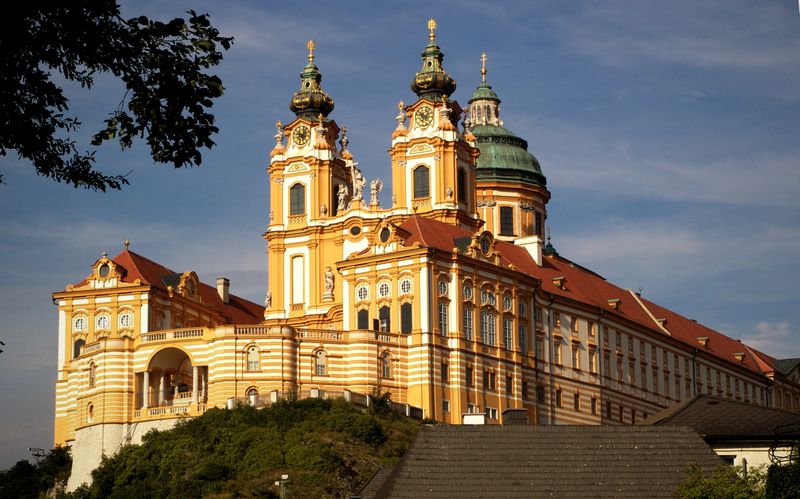
The Habsburg Empire once stretched over immense territories in Central Europe. The Danube was its major waterway, and there is perhaps no better means to see the beauty of the former Habsburg lands than from the slow-moving perspective of a luxury cruise ship. Traveling at a leisurely pace up this majestic river means passing the larger cities like Budapest, Bratislava, and Vienna as well as spectacularly situated sites like the Benedictine abbey of Melk in the pretty Wachau Valley.

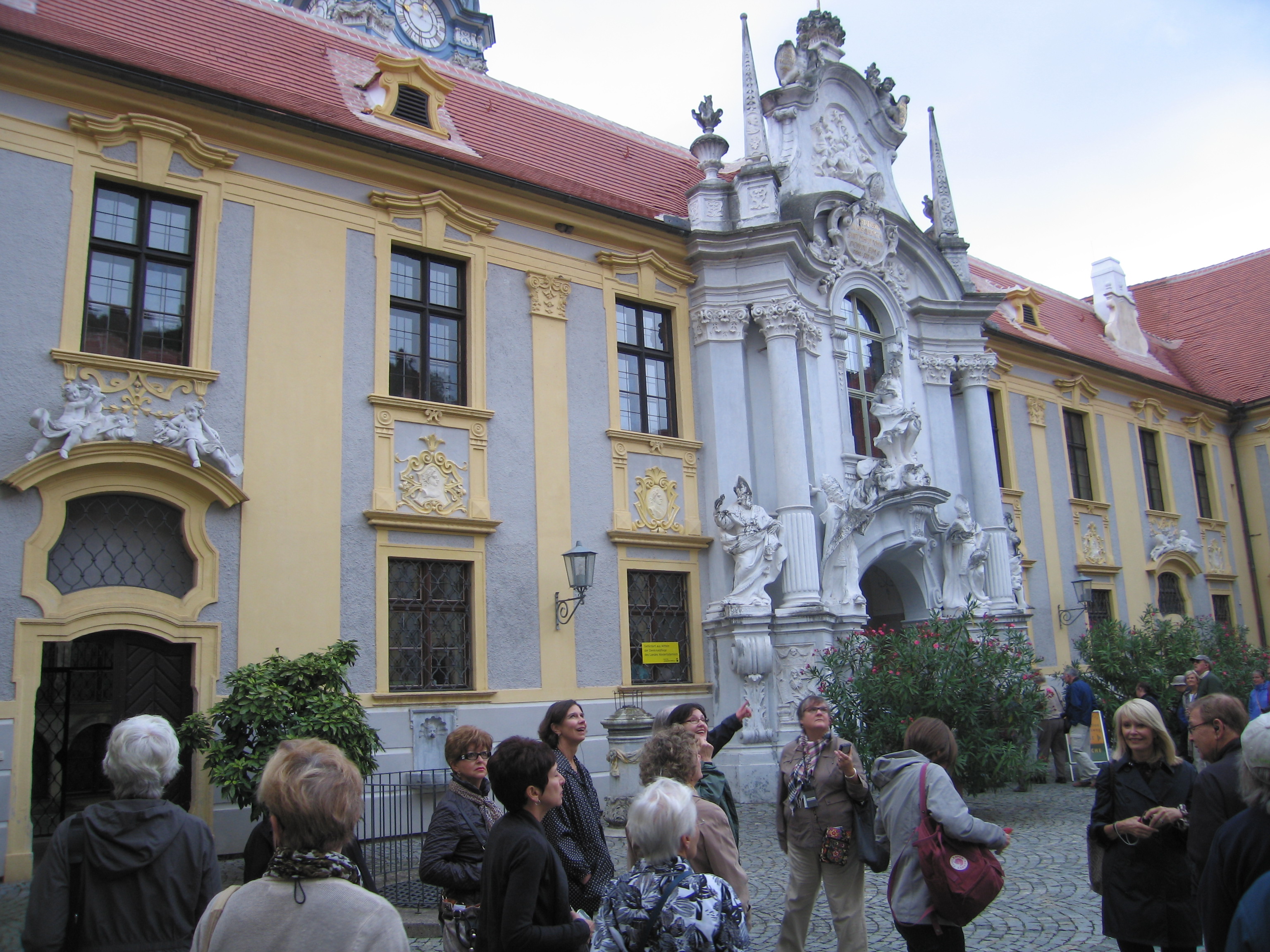
Melk Abbey

I had the pleasure of joining such a trip as faculty host this September, accompanying 22 Penn alumni. Our 14-day trip took us through six Central European countries—Hungary, Slovakia, Austria, Germany, the Czech Republic, and Poland—one as beautiful and interesting as the other. We visited eleven UNESCO World Heritage sites, saw some of the best-preserved historic city centers anywhere in the world (Český Krumlov, Prague, and Kraków), visited many of the best art museums in the world (like the Kunsthistorisches Museum in Vienna), and toured one of the most beautiful baroque structures ever built (Melk).

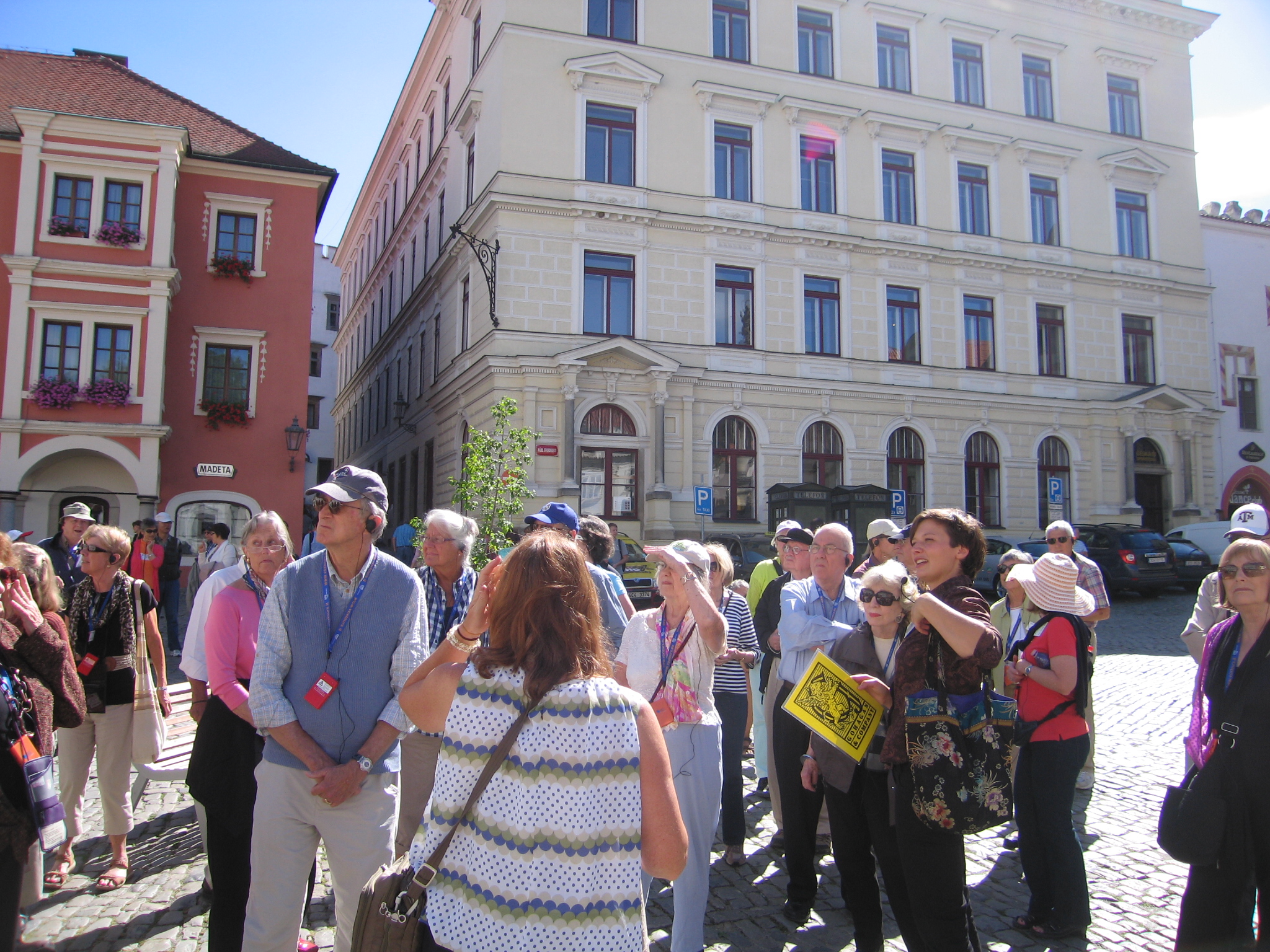
Walking tour of Český Krumlov in the Czech Republic

After a day of delays due to the Lufthansa strikes, I arrived in Budapest just before the ship took off for Slovakia. I was greeted warmly by our excellent tour hosts Lydian, Danuta, and Jacques (later joined by Will), and soon met my fellow Penn passengers. They came from all walks of life, with distinguished careers in many fields after degrees from Wharton, the Medical School, and the College. Some still live in and around Philadelphia or in Pennsylvania, but others came from further afield, from Savannah or Albuquerque. Everybody bonded quickly.

On my second day on the ship—moving quietly along the Danube—we had a Penn reception followed by a Penn dinner. We toured again together as a group during the bus ride from Passau to Prague and saw that beautiful city together guided by our expert local guides. Many other meals and conversations were shared while we often jumped up from our seats marveling at the lock we were just in, a famous site emerging into view, or a birthday cake being carried into the restaurant accompanied by much singing and clapping.

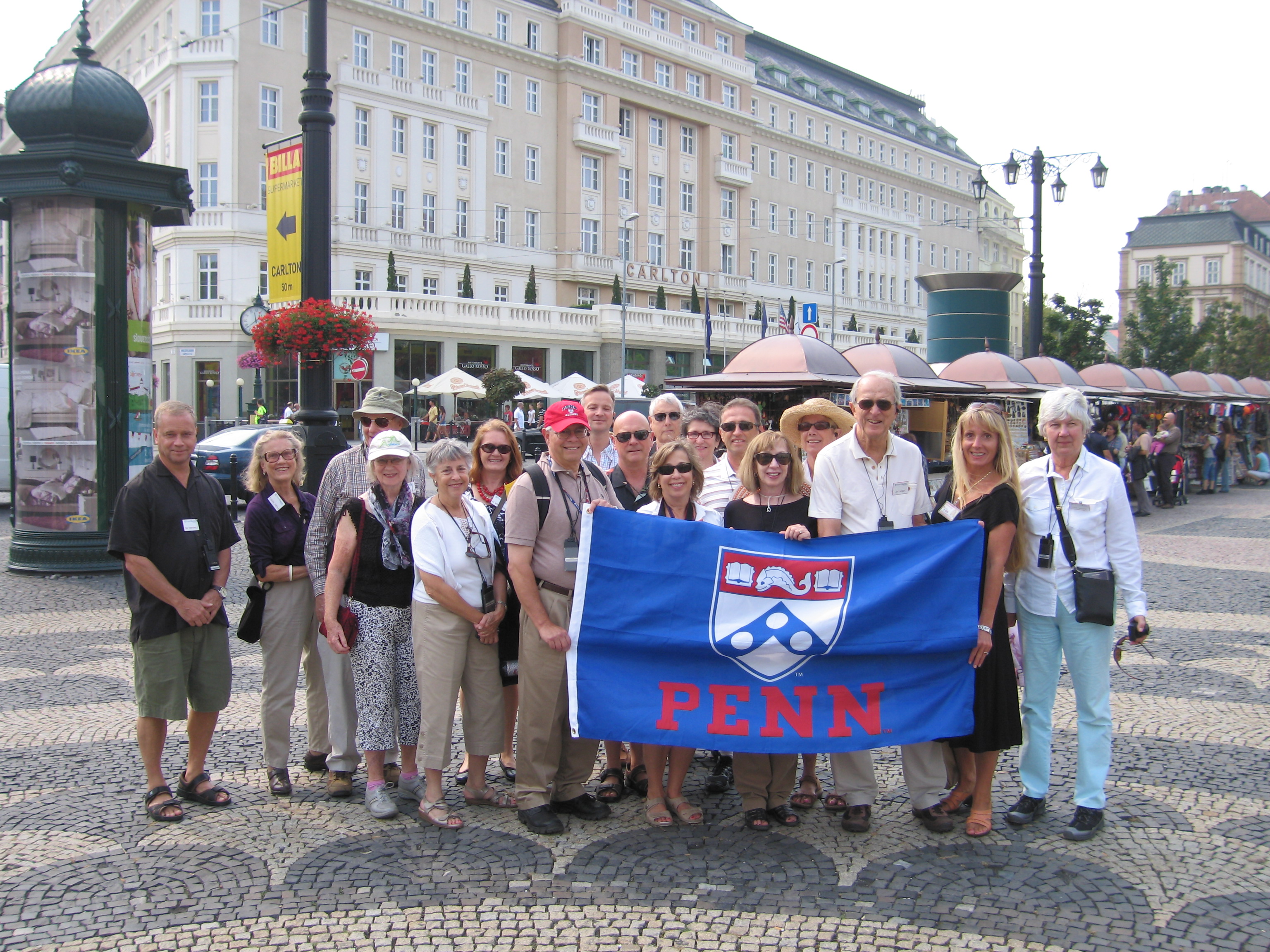
Penn alumni in Bratislava, Slovakia

Penn alumni on deck of the M.S. Amadeus Brilliant at Melk Abbey (in background)

What stood out for me among this extraordinary range of sites and events? I had lived in Vienna for a semester some fifteen years ago, and it was great to see the city again, and anew, together with other Penn guests. Melk was certainly a highlight—such an utterly stunning site—built to impress and bolster ecclesiastical power and cultural prestige, then and now. Prague and Kraków are both among the most beautiful cities I know. Prague especially charms with its nighttime gaslights and true historic feeling, so seamlessly blending all architectural styles into such a coherent and undisturbed whole. Our last day was the only day of continued rain, fitting weather for a visit to the Auschwitz-Birkenau concentration camp outside Kraków where silence befell all of us at the sight of the unthinkable Nazi cruelties committed there.

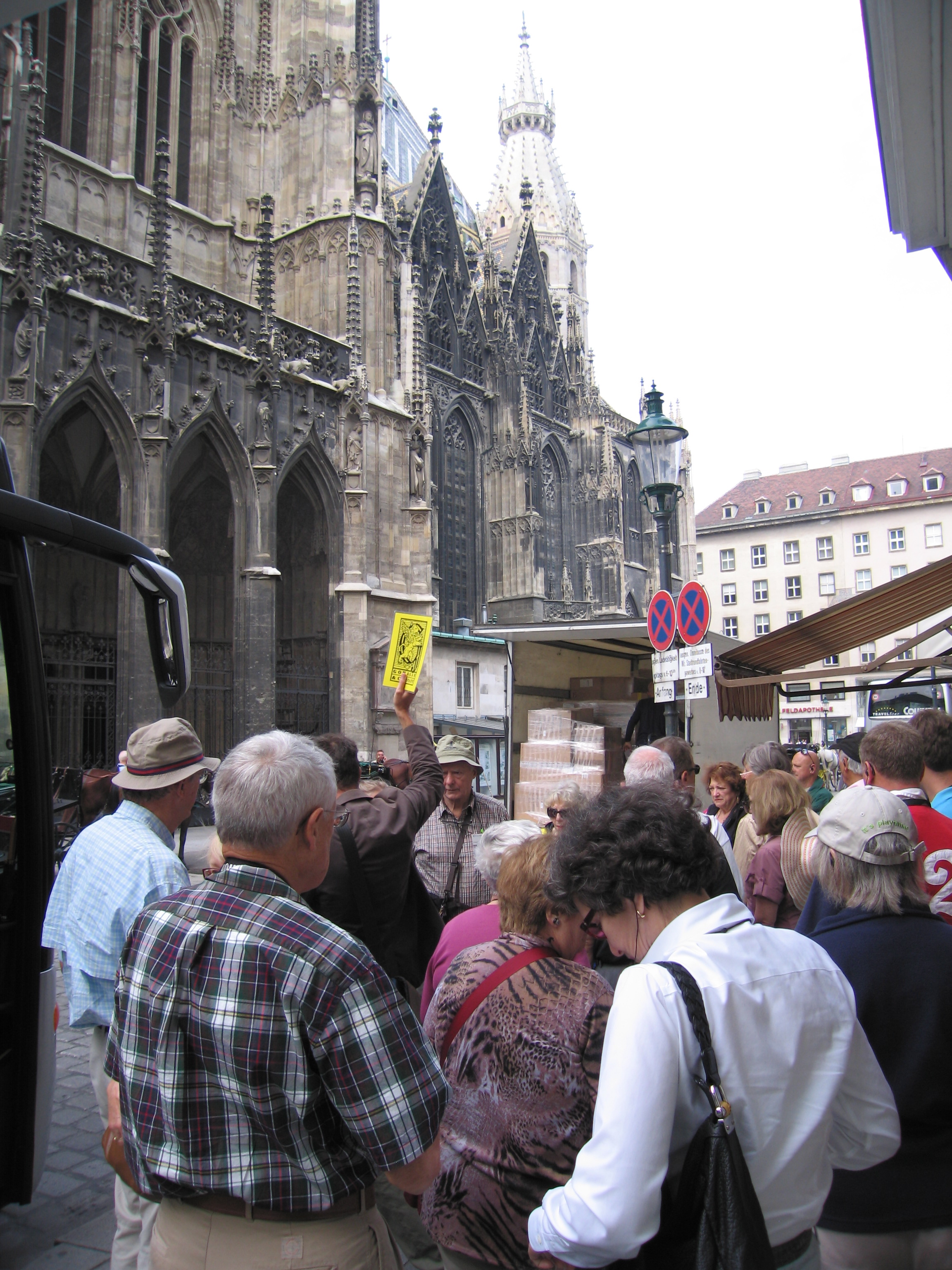
Vienna city center, at St. Stephen’s Dome

Dürnstein walking tour

At Auschwitz-Birkenau

I loved sharing my knowledge of the area, gave one lecture on Baroque architecture in Austria as an introduction to our visit to Melk and one on Vienna’s Ringstrasse and early Viennese Modernism, a special favorite of mine. We later toured some turn-of-the century art and architecture in Prague, including the Mucha-Museum and the Cubist House (ending with drinks in the 1912 upstairs Grand Café Orient!), which was great fun as well. Until we meet again (perhaps on another Penn Alumni travel trip?), please stay in touch.

On Bratislava’s Primate Square

*If this post inspired you to take a trip with Penn Alumni Travel, click here to visit our 2013 trip schedule. A 2013 trip along the Danube with Penn host, Stephen Lehmann, is scheduled for late September 2013. Follow us on Facebook and Twitter for all the latest travel news and tips.

1 Comment

Filed under Faculty perspective, Penn Alumni Travel, Travel

Travel Webinar: The Arts and Culture of Spain

Author: Emilie Kretschmar

Penn Alumni Travel is hosting a travel webinar this Thursday on the art and culture of Spain. Join us on September 20th at 11 a.m. for a look at Spanish art and culture hosted by Professor of Art History, Gwendolyn Dubois Shaw. For more details or to register, click here.

Next month, Professor Shaw will lead a group of Penn alumni and friends through Spain. The tour will stop in Barcelona, Bilbao, Pamplona, Toledo, and Madrid. Penn alumni will explore these beautiful and vibrant cities in the company of fellow alumni and their faculty host. Whether you’re traveling to Spain or just curious about travel to Spain, Thursday’s webinar is a great opportunity to learn more about the country and to ask questions about its arts and culture. General travel questions are also welcome.

Barcelona, Spain

If you’re interested in learning more about Penn Alumni Travel, click here for more information about our e-newsletter, to review the 2013 schedule, and to see pictures from past trips.

Leave a comment

Filed under Alumnni Education, Emilie, Penn Alumni Travel, Travel, Uncategorized

My First Five Months

Author: Emilie Kretschmar

Typically, my blog posts are about the latest Penn Alumni Travel trip or our fantastic newly-released 2013 travel schedule. But this month, we’re between travel trips, and so I’ve decided instead to write about my first five months at the Sweeten Alumni House (not to worry travel fans. Look for an upcoming post about Italy and the Danube)!

I began this position in Penn Alumni Relations in April, and each month has brought about new and interesting alumni events and traditions. We are lucky to work in a building that’s centrally located–just across from College Hall and next to the Van Pelt-Dietrich Library. Here, alumni relations staff can really stay connected to the University and all of the great things that happen on campus. With my trusty camera phone, I’ve captured a few highlights from my first five months at Penn.

APRIL
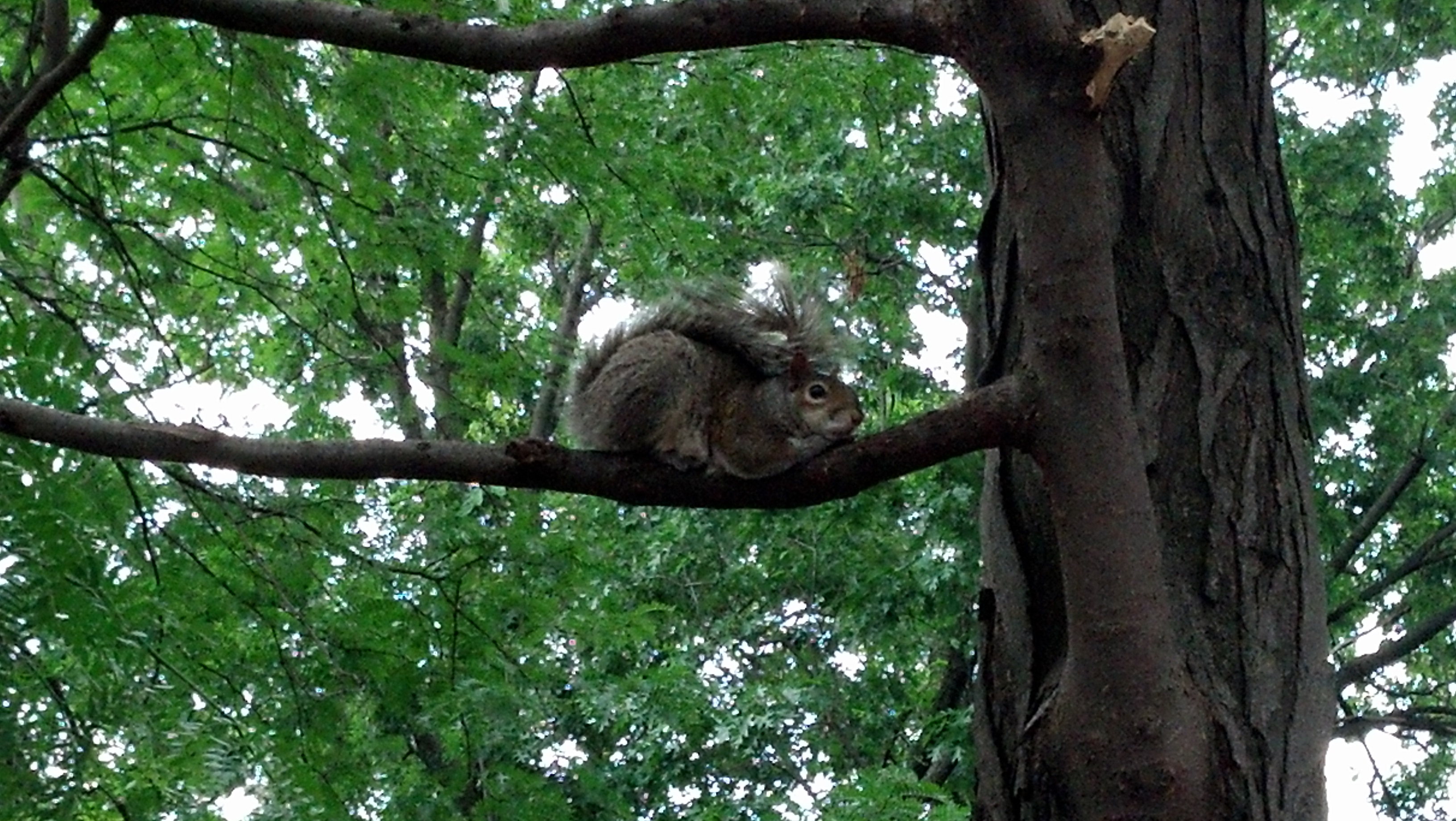
My first month at Penn and the hungry squirrels are already waiting to take my lunch. I captured this one as he was eyeing me from above on the patio behind Sweeten.

Hungry Squirrel

MAY
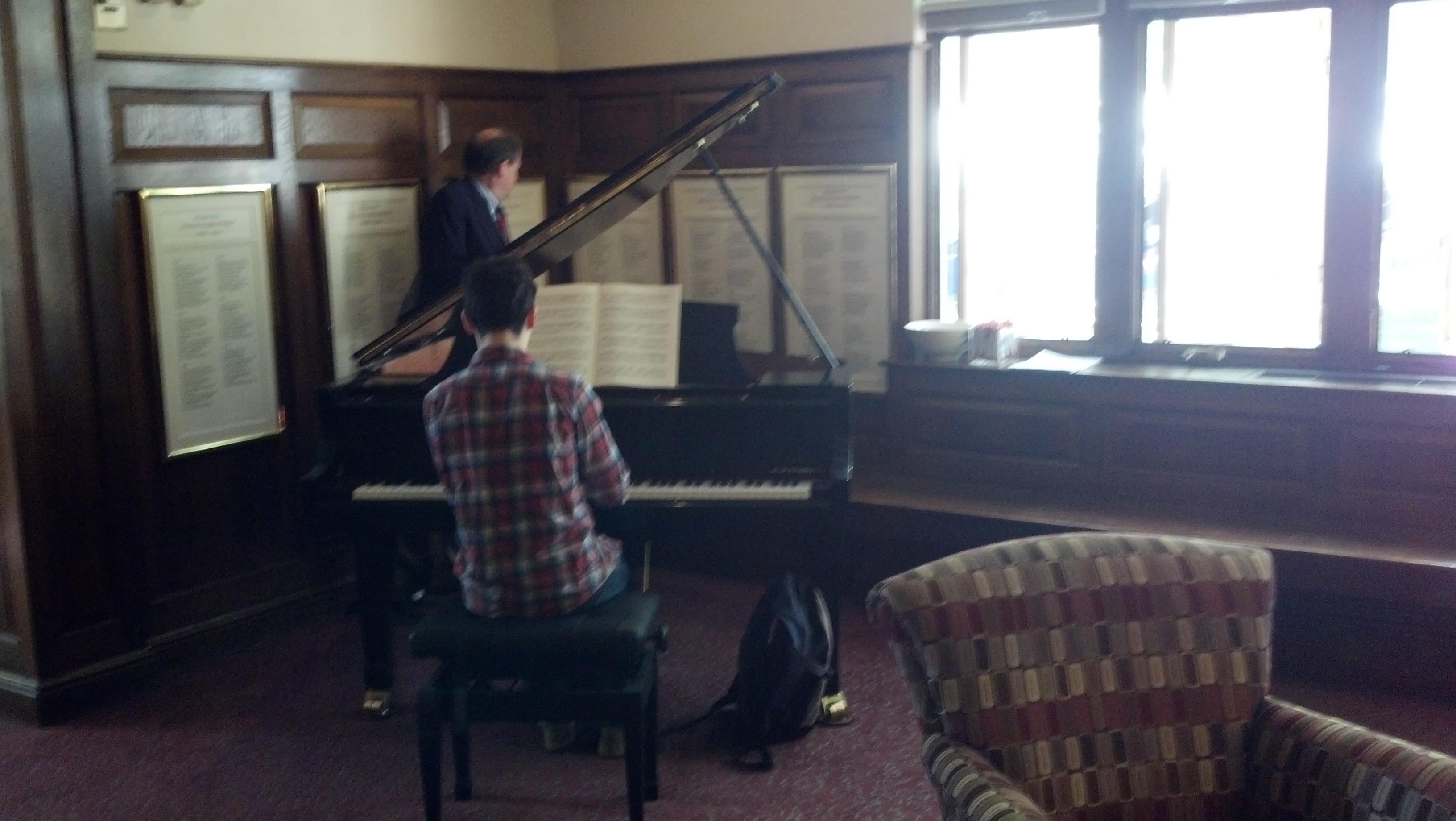
Alumni Weekend! I was quickly pulled into the festivities surrounding Alumni Weekend and Commencement. The campus was alive with graduating students and thousands of Penn alumni. If you’ve never attended a reunion weekend at Penn, you should consider coming next year (May 10-13, 2013). It’s a great time to see the campus, visit old friends, and learn about the many programs and opportunities that the university extends to alumni.

An alumnus plays the Sweeten Alumni House piano.

Time for food! A chef works hard to get hundreds of hamburgers ready for the class picnics.

JUNE
With most students and alumni away this summer, several staff members had time to attend the Ivy+ Alumni Relations Conference at Dartmouth. Each year, the eight Ivy League Universities plus MIT and Stanford gather for this conference to share expertise, tips, and resources (for more on Ivy+, visit Casey Ryan’s blog post here). The conference rotates locations each year, and Penn will be next year’s host. I spent my time at the conference meeting other alumni travel directors and getting insider’s tips on how to run an exceptional alumni travel program.

Dartmouth’s beautiful Rauner Special Collections Library. Do you see the Cat in the Hat peaking from inside the closed stacks?

JULY
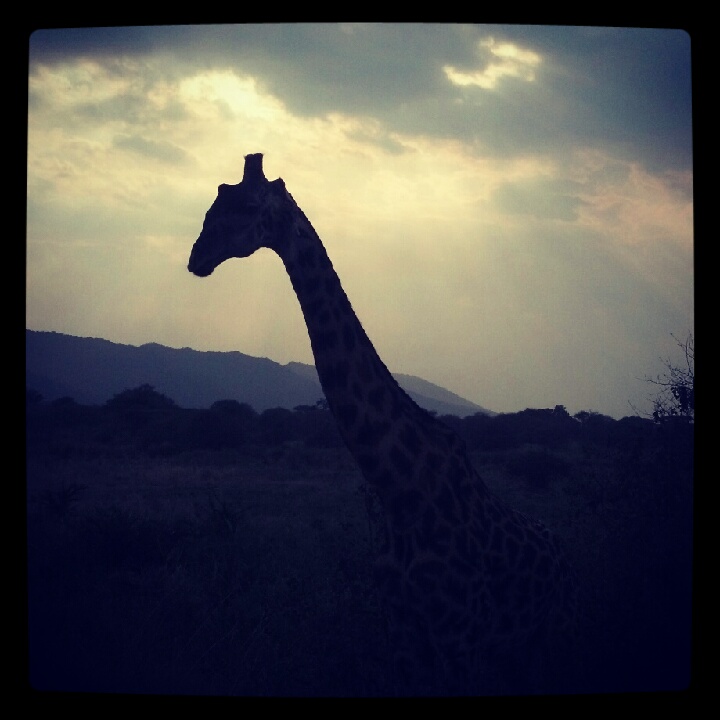
In July, I hosted my first alumni tour. I spent 10 days with 16 wonderful alumni and friends in Tanzania. We visited four national parks and saw countless African animals. Look for another African safari in 2013 to Tanzania and Kenya.

Serengeti Giraffe

Ngorongoro Crater lion

AUGUST
In my fifth month at Penn, I began a new workout routine: a 3 mile run from Sweeten to my South Philadelphia home. Along the way, I ran across (literally and figuratively) some of the beautiful Philadelphia landmarks that surround Penn’s campus.

The South Street Bridge at dusk. Did you know that the bridge lights up at night?

So there you have it! My first five months as a Penn employee. I look forward to the new things these next five months will bring. When you finish reading this, take a minute and share with us those things that caught your attention when you first visited Penn—as a student, employee, faculty member, or native Philadelphian. There’s plenty of space in the comment section below!

2 Comments

Filed under Campus Life, Emilie, Penn Alumni Travel, Penn in the Summer, Travel, Uncategorized