Category Archives: Historical

Historical Penn: The School of Veterinary Medicine + Laura Ingalls

Author: Aimee L.

I just realized that my last blog post was about the Van Pelt-Dietrich Library, and how I have been checking out every single Edgar-Award winning book I can get my hands on (just finished The Last Child by John Hart and Crooked Letter, Crooked Letter by Tom Franklin.  Am now reading Ruth Rendell’s Tigerlily’s Orchids. Don’t spoil the ending for me if you’ve already read it. Though, truthfully, I’m halfway through the book and there doesn’t seem to be much of a mystery. No murders, no kidnappings, no intrigue–just a lot of detailed character studies of fairly unlikable people living in London. It is funny though).  So, fine, I won’t rave about Penn’s library again. Instead, I will post some feel good pictures I received from the School of Veterinary Medicine for the Homecoming Weekend guide (mark your calendars–it’s coming up on Nov. 4-6. It’s my job to remind you).

First, here are a few  vet school related photos from the archives (available through the VPD Library!! I can’t stop).
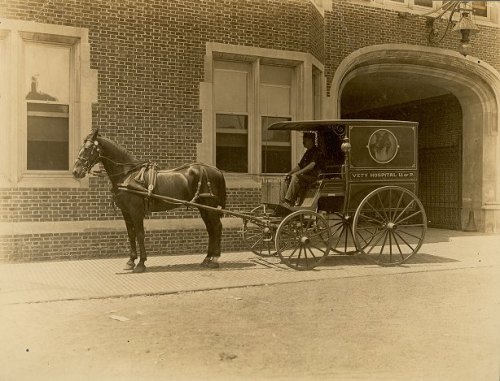
School of Veterinary Medicine and Veterinary Hospital, July 1909 (exterior, ambulance for small animals, during construction)

I love that this is an ambulance for small animals. How nice that they would just show up at your door if your kitty cat got into your butter churn or your dog ate up all of your coal or your ferret fell into the outhouse (I’m guessing at the details based on my only source of historical knowledge, the Little House on the Prairie series. Again, see previous post).

School of Veterinary Medicine and Veterinary Hospital (built 1883-1884 and demolished ca. 1901, Furness & Evans, architects), exterior

Here is the old vet school building–very bucolic, set in a field of overgrown dandelions.

School of Veterinary Medicine and Veterinary Hospital, interior, class in surgical amphitheater

Look how interested all these men are at seeing the dog having his foot bandaged. That’s because this was before the invention of TV (I’m pretty sure. Laura Ingalls didn’t ever mention watching cable with Pa while Ma put Carrie to bed in the corn crib).

School of Veterinary Medicine and Veterinary Hospital, December 1908

This is either the Vet School or nearby insane asylum during lunch break. Hard to tell from this distance.

School of Veterinary Medicine and Veterinary Hospital, circa 1900, Blacksmith Shop

Here, the students are leanring a second trade, horseshoe-crafting, just in case the whole “vet” thing didn’t take off.
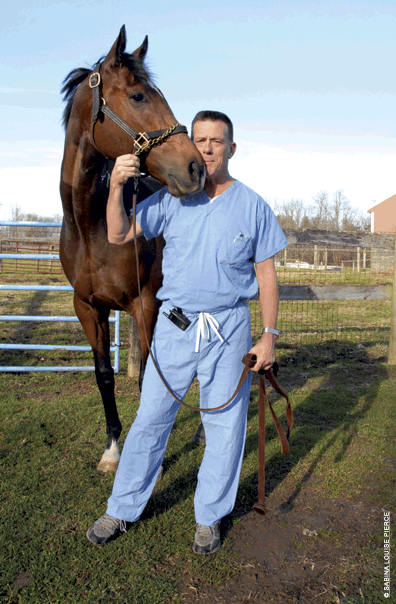
Barbaro, the undefeated Kentucky Derby Race Horse winner, and Penn vet staff member

In case you didn’t realize it, Barbaro was treated for his broken leg at the George D. Widener Large Animal Hospital at the School of Veterinary Medicine’s New Bolton Center. You can read more about it here.

And, as promised, here are some present day photos submitted to me for the Homecoming Weekend guide–all very cute dogs successfully treated at the School of Veterinary Medicine.
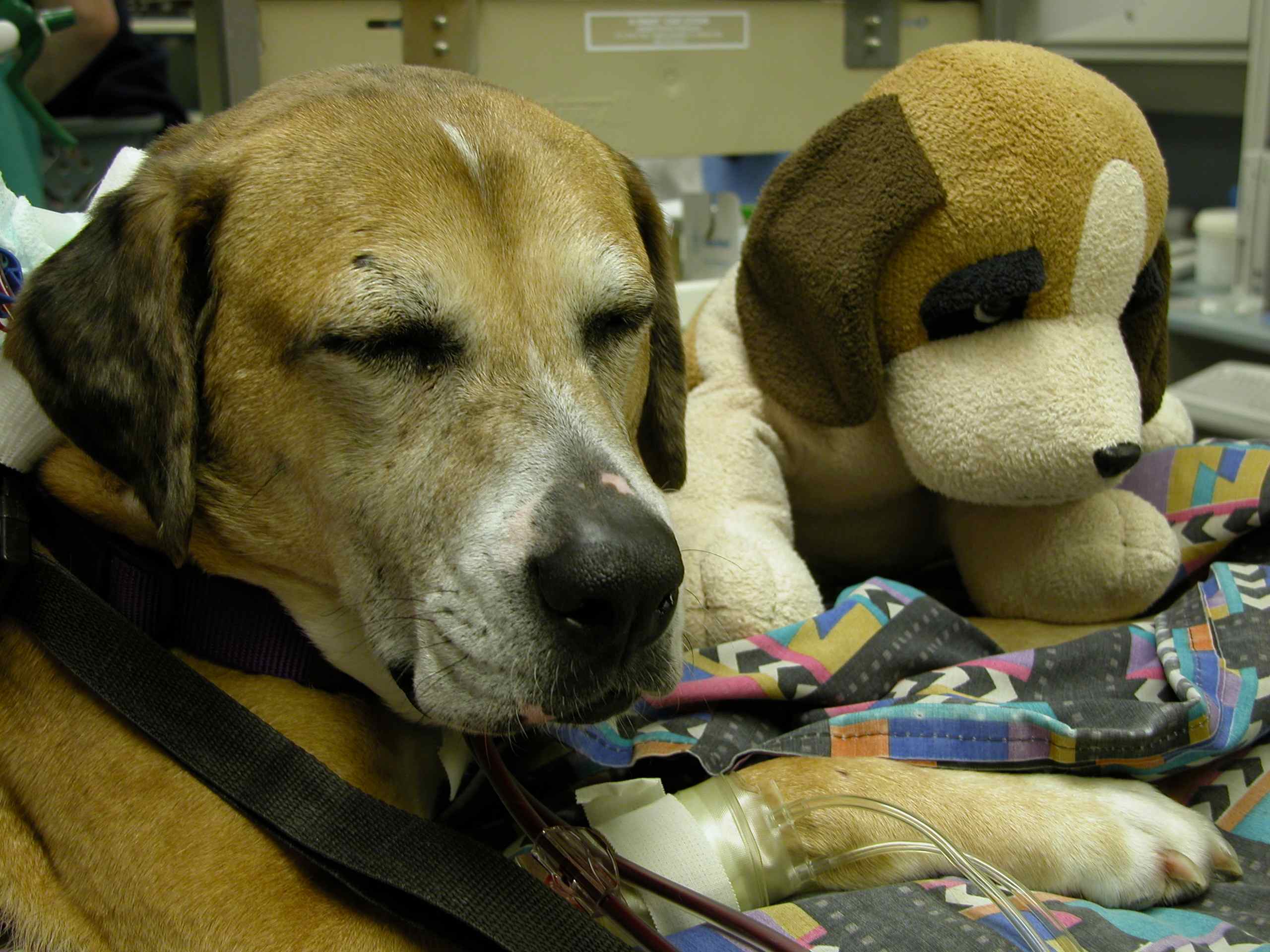
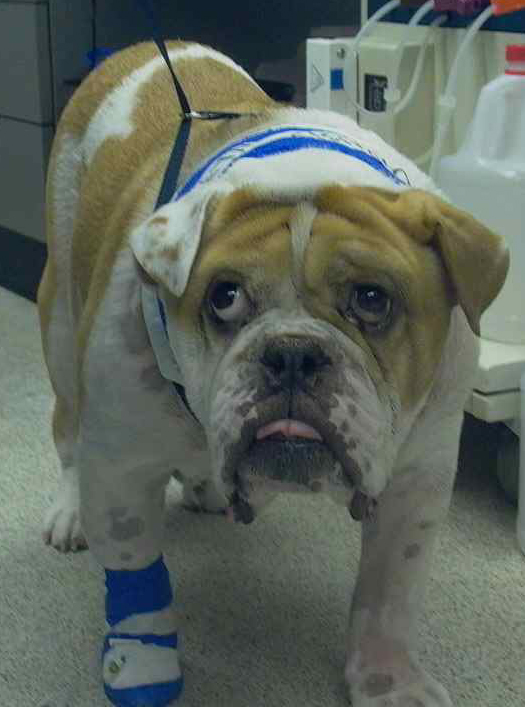
And just so you don’t think I’m biased toward dogs, here are a couple of cats for you:

This reminds me of that scene in one of the Little House books where Laura and Mary have toothaches from eating too many handmade sno-cones and Pa pulls out all of their teeth.

You can find even more cuteness at the Penn Vet photo gallery here.
1 Comment

Filed under Aimee L., Historical, Homecoming Weekend featuring arts and culture, Photos

Summer in DC

Author: Matt Gould, W’14

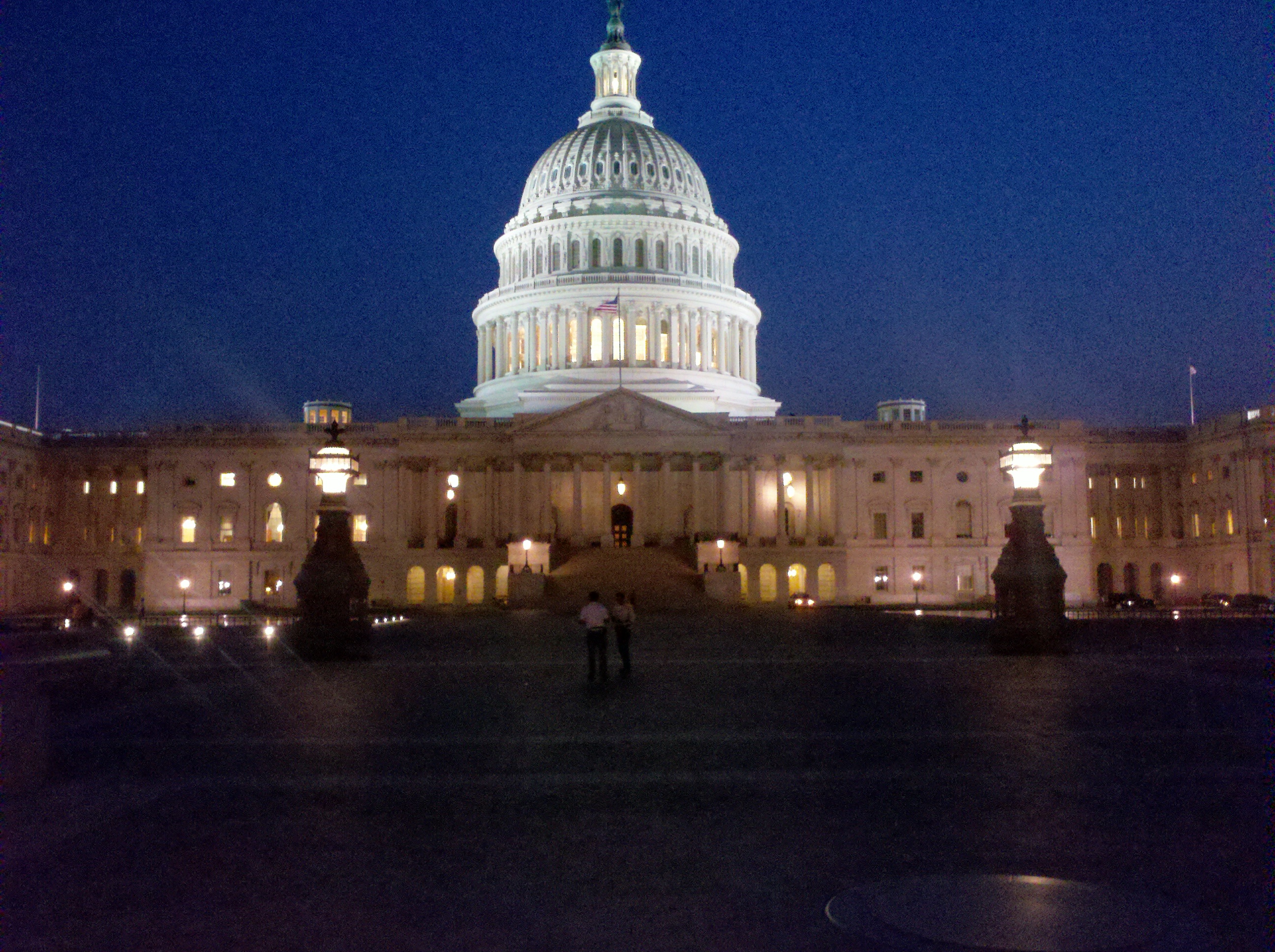
While most interns in D.C. are finishing up their summer intern programs, I am an oddity, in that I just started a condensed (4 week) program at the U.S. Dairy Export Council last week. Although I would be absolutely thrilled to write about dairy exports and domestic milk price volatility (seriously, if you ever want to talk about dairy markets let me know), I thought that it would be fun to share some pictures that I’ve taken as I have explored Washington.

There also is a common theme: a connection to Penn.

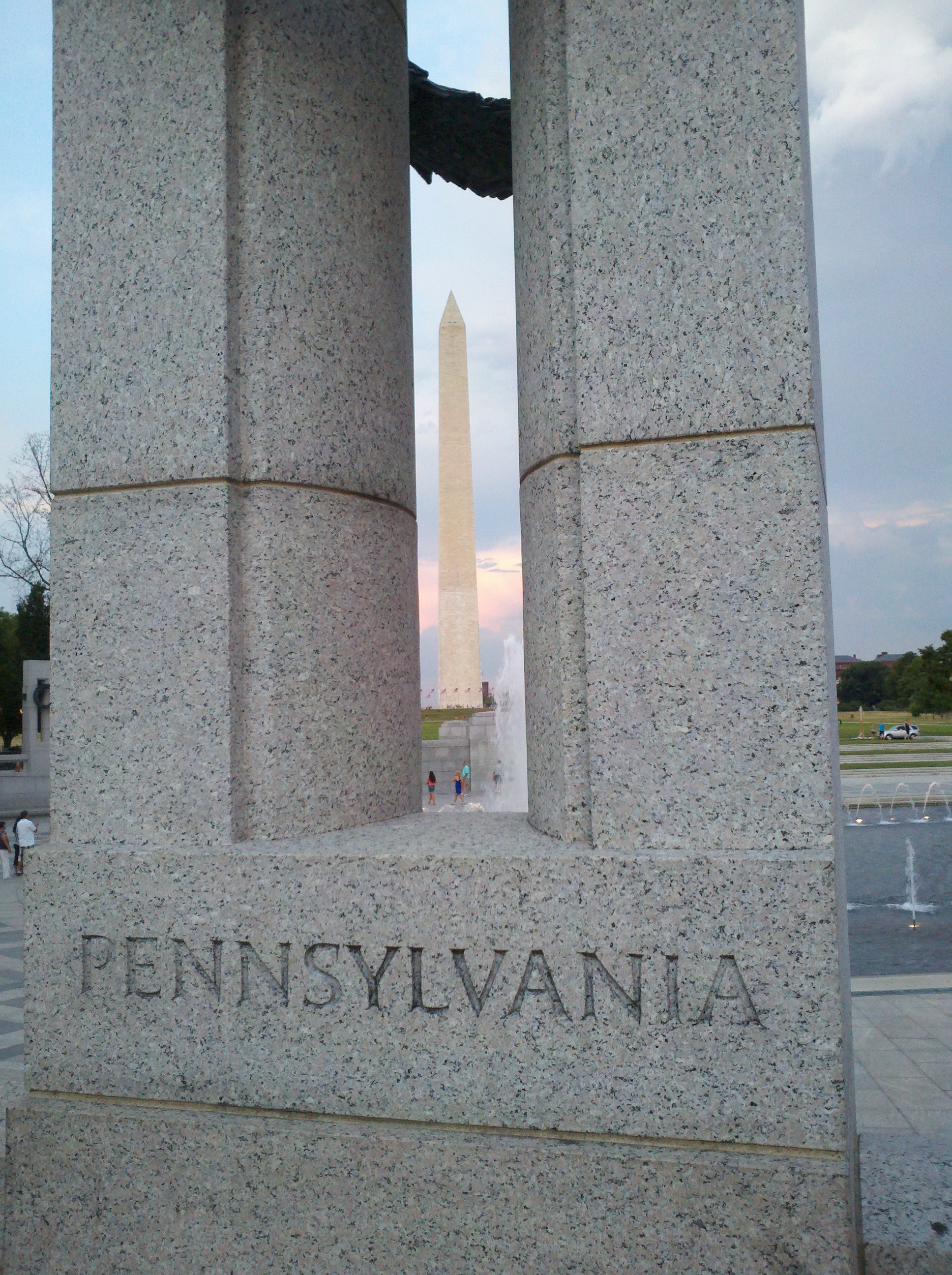
Looking past Pennsylvania towards the Washington Monument (WWII Memorial)

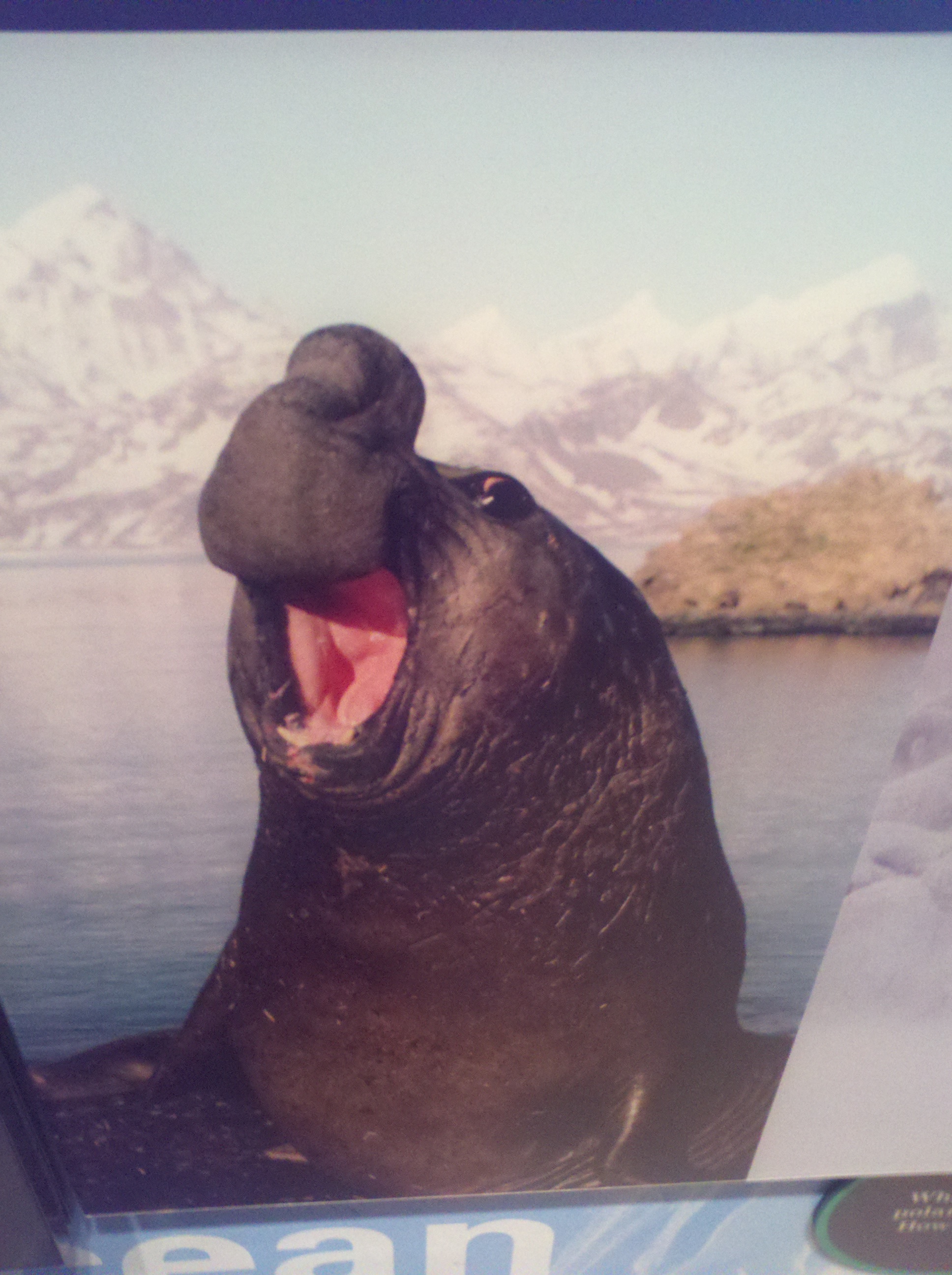
This picture of an elephant seal (Smithsonian- Natural History) was too cute to pass up and plus, our very own Dr. Shermin de Silva has been conducting research on elephant social networks (not quite an elephant seal, but close enough).

The jobsite for many Penn interns, both in the summer and throughout the semester, thanks to the Semester in Washington Program.

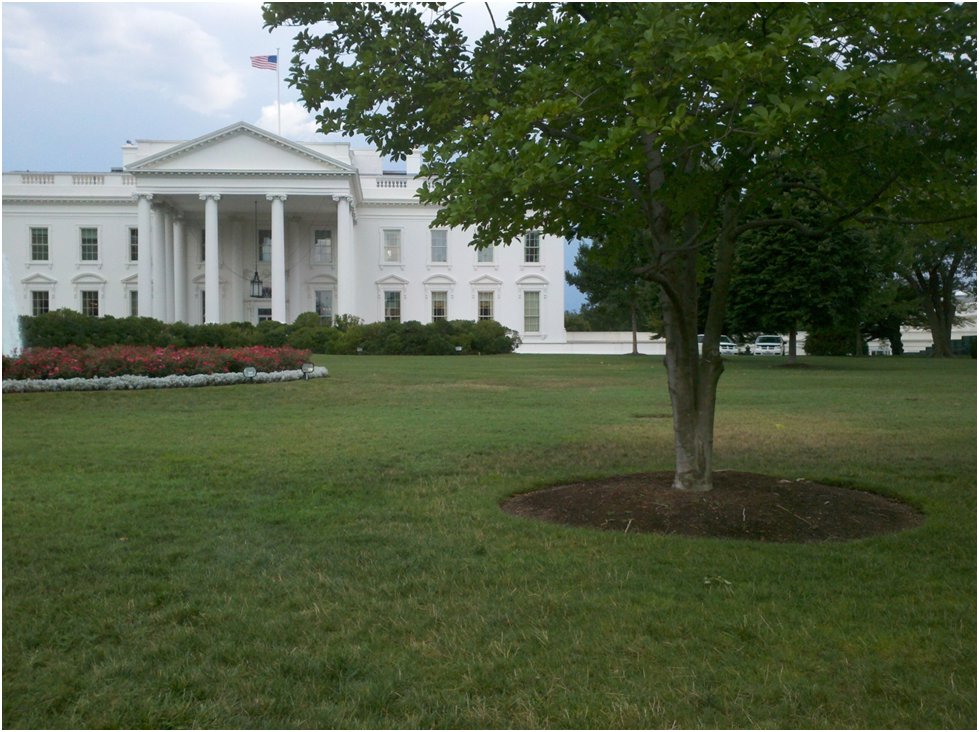
No tour around Washington is complete without a photo of the White House.

Someday, I hope we’ll have a Penn alum’s who can be tagged in this picture.

2 Comments

Filed under Historical, Matthew G.

Making History…Living History

Author: Lisa Vaccarelli, C’02

It’s easy to take for granted the amount of history that surrounds you at a place like Penn – especially when you spend so much of your time on campus that it begins to feel like your second home.  For example, my office building – the Sweeten Alumni House – originally housed the Delta Tau Delta Fraternity.  It was in the mid 1960’s after a fire – allegedly set off at a holiday party when a fraternity brother fell asleep with his cigarette too close to a crepe paper snowman – took the life of at least one young party-goer that the building eventually fell into the hands of the alumni association.  And yes, there are plenty of rumors about the ghost of said party-goer haunting the 2nd floor ladies room.  However, on a daily basis, one gets caught up in emails and phone calls and meetings and quickly forgets all of this.

Ironically, it was a recent trip off-campus that reminded me about Penn’s historical context.  Last week, as a previous blogger mentioned, the entire Alumni Relations staff headed down to 310 S. Quincy Street for a day long staff retreat at the Mask and Wig Clubhouse.  Most Penn alumni and friends are very familiar with the all male comedic theater troupe, the University’s oldest student group founded in 1888.

Mask and Wig Grill room circa 2010

Not as many, I would suspect, have had the chance to visit the group’s clubhouse, acquired in 1894 as a gathering place and rehearsal hall.  As per the Mask and Wig website:

Prominent Philadelphia architect Wilson Eyre was commissioned to convert the building, which had previously served as a church, a dissecting room, and a stable. He hired the young Maxfield Parrish, who would later become one of the greatest illustrators of the twentieth century, to decorate the interior.

Indeed, it is hard not to appreciate this history when you walk into the Mask and Wig Clubhouse.  The Grille Room – a wood-paneled bar/lounge on the first floor – is decorated with caricatures of members; a tradition that continues today, with the second century of members’ caricatures continued upstairs at the entrance to the theater.  Next to each member’s caricature is a peg for their personal mug, which they alone can take down and use when present.  Despite recent renovations to provide facilities for handicap accessibility, including an elevator, as well as air conditioning, the Clubhouse retains its authentic, historic atmosphere.

Mask and Wig Grille Room circa 1910

Next time you come to campus, I encourage you to take a moment to stop and take a moment to take in the history that surrounds you.  Maybe even read one of the plaques on those statues you’ve whisked past dozens of times before on your way to class or a reunion party.

Woodland Walk (aka Locust Walk) circa 1915

Leave a comment

Filed under Alumni Perspective, Campus Life, Historical, Making History, Memories of Penn

Noticing King Solomon

Author: Bart M.

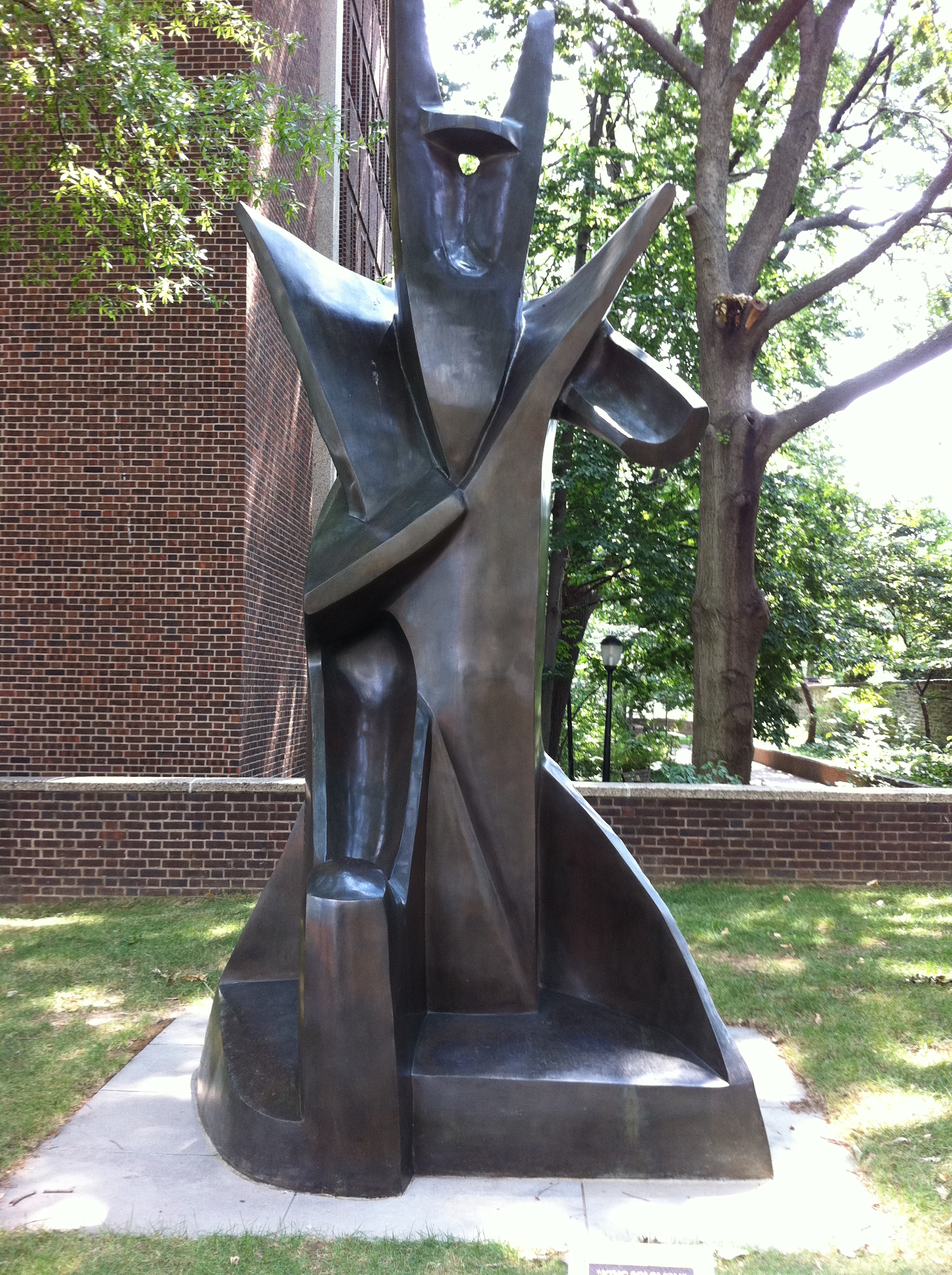
Even though he is fourteen feet tall, I have walked past King Solomon for years and years and barely noticed him. He’s been standing there quietly since my sophomore year at Penn. Until today, I never gavehim much more than a quick glance. This afternoon, I spent an extra minute admiring King Solomon and then I looked him up on Penn’s website to see what his story is.

Truly one of the coolest pieces of art at Penn, the bronze statue King Solomon (1963) was sculpted by Alexander Archipenko and it keeps watch on 36th Street between Locust Walk and Walnut Street (across from the old Hillel and what is now the new Annenberg Public Policy Center). King Solomon  was given to Penn in honor of the inauguration of President Judith Rodin on October 21, 1994 by Mr. and Mrs. Jeffrey H. Loria .

Check out how the cubist shape and form of Solomon mimics/compliments the tree behind it. Not intentional, I’m sure, but cool nonetheless.

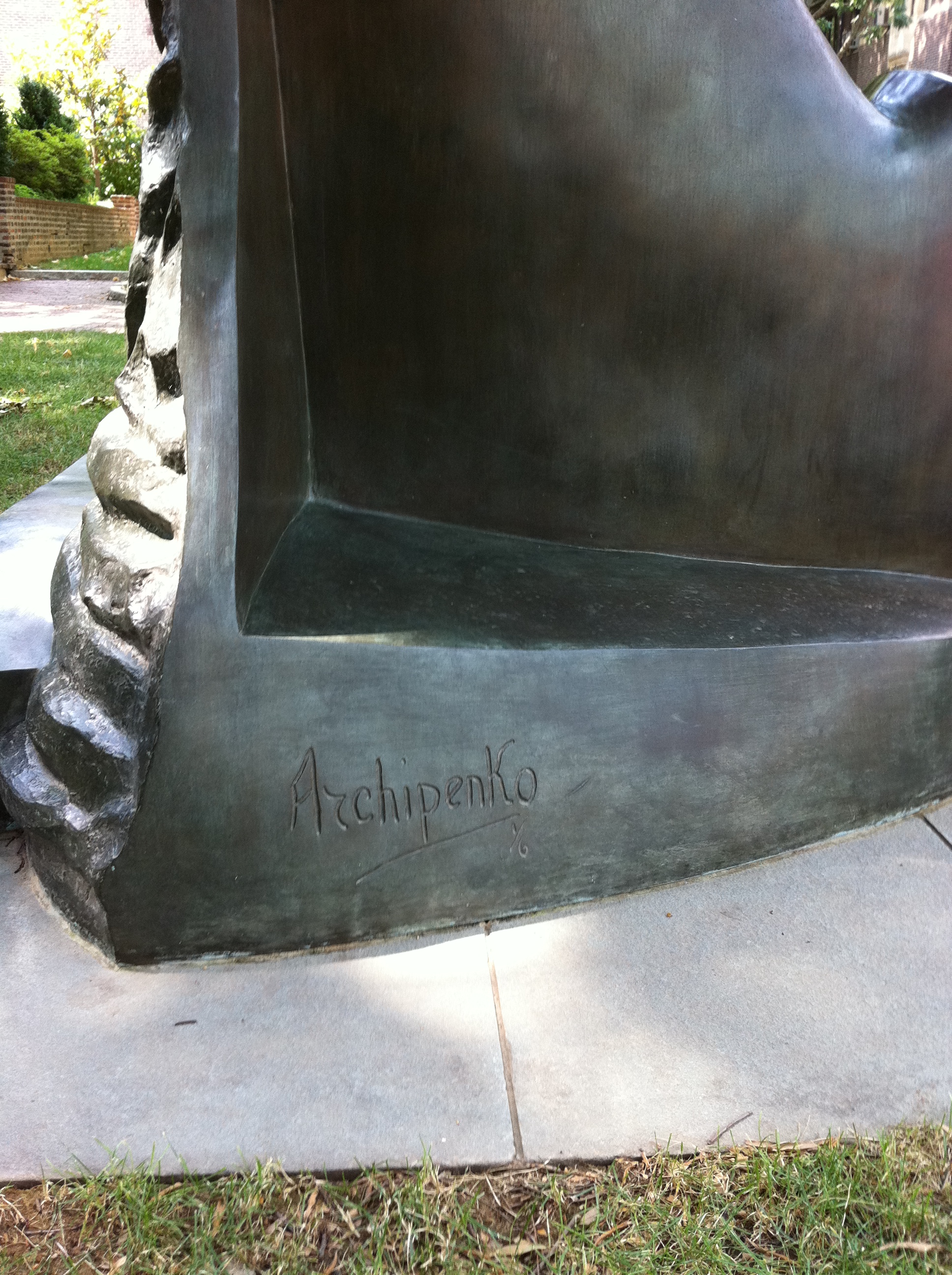
Notice Archipenko’s signature on the left side.

And the plaque at Solomon’s feet:

And here is a view from behind Solomon – something most people have never taken the time to see. The juxtaposition of smooth and rough texture is pretty remarkable. And for a reference point, that is the new Annenberg Public Policy Center just across 36th Street.

And something else I just learned: Archipenko did not normally work on a monumental scale. But shortly before his death in 1964, he completed a 4-foot King Solomon designed for enlargement. Instructions were left with his widow, who supervised the casting of a 14.5-foot, 1.5-ton version in 1968. This is the Solomon that stands on 36th Street. Archipenko’s original plan was for Solomon to be over sixty feet tall.

1 Comment

Filed under Alumni Perspective, Bart M., Fine Art, Historical, The Arts

Penn, Ben, and the 4th of July

Author: Amanda M. D’Amico

Happy Fourth of July!  During this day filled with barbeques, fireworks, and good company, I wanted to take a moment to think about the reason for this three-day weekend and the impact of America’s founding fathers.  In that spirit, I combed through campus to find images and mementos of one of America’s most prominent founding fathers and Penn’s founder:  Ben Franklin.

Finding Ben Franklin’s influence at Penn isn’t difficult.  From Penn’s alumni magazine, The Pennsylvania Gazette, to this very blog, Mr. Franklin can be found throughout the Penn community.  Here are just a few places where you can see images of Ben Franklin on campus:

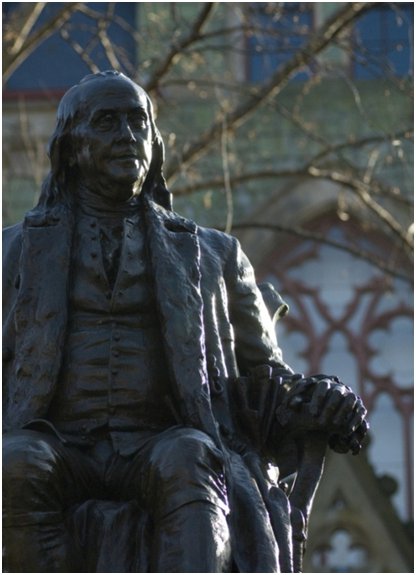
Ben on the Bench.  This iconic image of Mr. Franklin sits on the Class of 1962 Walkway and was a gift from this generous class.College Green.  Located directly in front of College Hall, this statue of Ben Franklin has been seen by hundreds of thousands of students, alumni and staff, and serves as the legendary inspiration behind the split button.


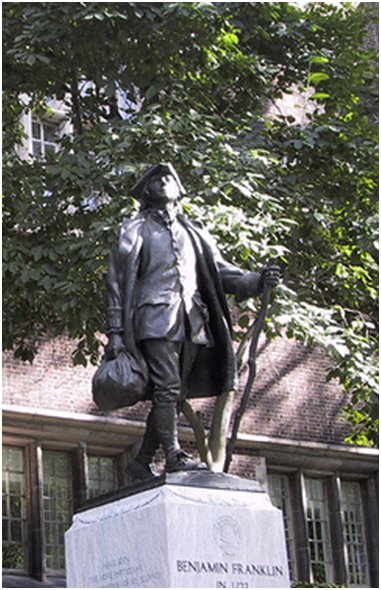
Young Franklin.  This statue of a spritely Mr. Franklin is located outside of the appropriately-named Franklin Field.

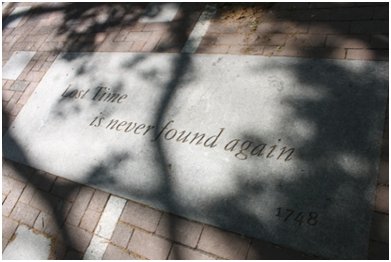
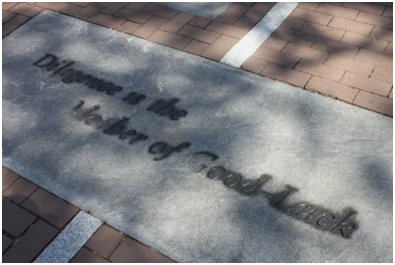
Quotes.  Mr. Franklin’s words, as well as his images, have permeated Penn’s campus.  The Class of 1962 Walkway is filled with quotations from this world-renowned scholar.  Below are two of my favorites:

Next time you’re taking a walk around Penn, be sure to take notice of the influence that Franklin had on the campus, and on the country at-large.  For information of Franklin’s life and work, visit www.upenn.edu/about/founder.php

Leave a comment

Filed under Amanda D., Ben Franklin, Campus Life, Historical

Homecoming 2011: Penn to Celebrate 40 Years of Black History at Penn

Author: Cecilia Ramirez, C’05, Sp2’10

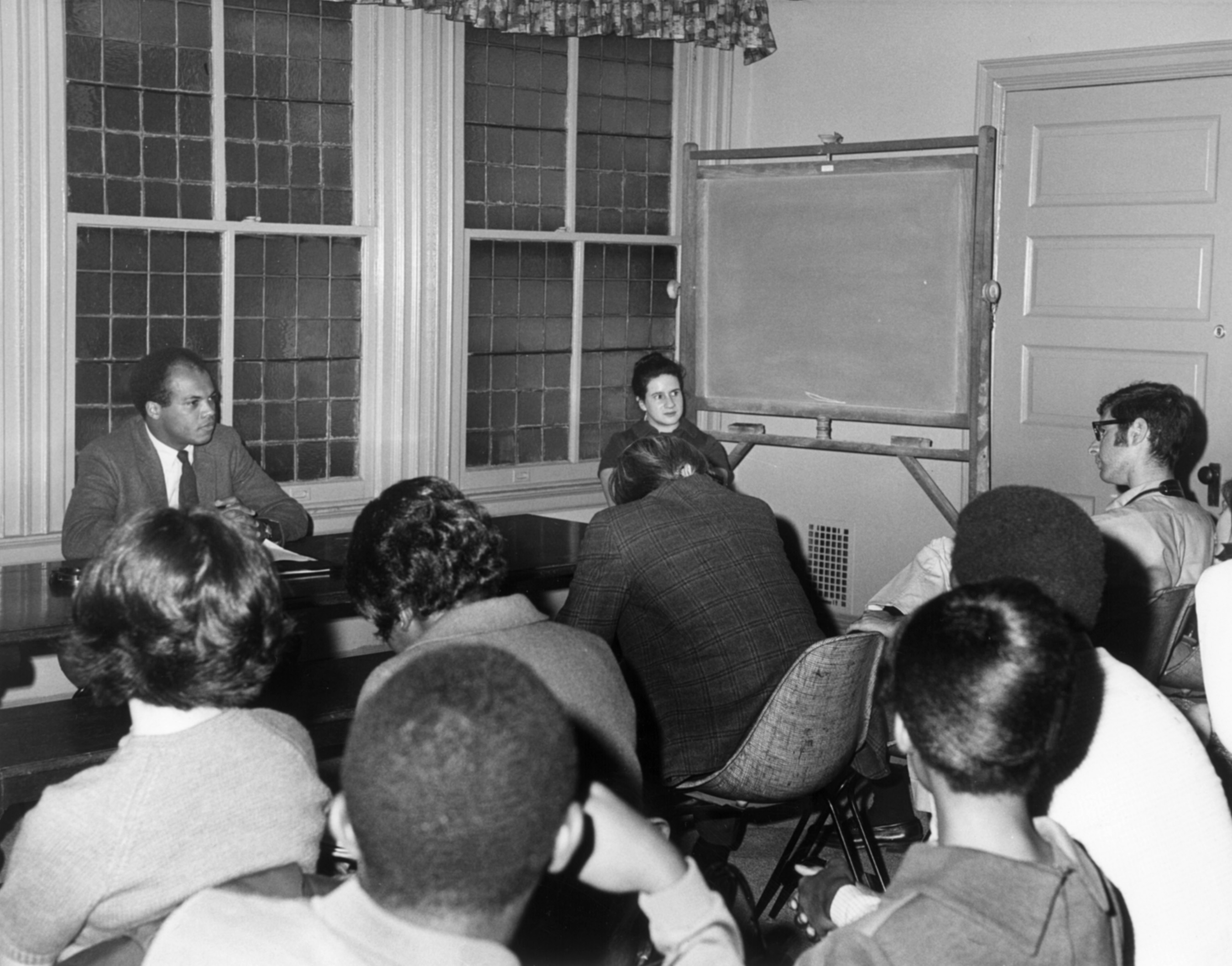
John Wideman, C’63, Hon’86, first director of the Afro-American Studies Program. October 24, 1968

In 1971, the University of Pennsylvania welcomed its first academic program focused on studies of the African diaspora, the Afro-American Studies program. The program was led by its first director, John Wideman (C’63 Hon’86), a member in the English Department and the second black tenured faculty member in Penn’s history. Dr. Wideman, tasked with a difficult challenge, laid the foundation to successfully develop a much-needed academic program without any trained faculty members and few available courses.

Forty years later, the program, now known as the Center for Africana Studies (CFAS- through a merger with the Center for the Study of Black Literature and Culture), has flourished tremendously and now boasts over 50 affiliated faculty members and over 80 courses offerings for undergraduate and graduate students. CFAS also sponsors several co-curricular programs including: the Artist- and Scholar-in-Residence Programs, The Reverend Dr. Martin Luther King, Jr. Lecture in Social Justice, The Africana Media Project, The Honorable A. Leon Higginbotham, Jr. Memorial Lecture, The annual Race and Sports program, and Brave Testimony: A Celebration of Poetry of the African Diaspora.

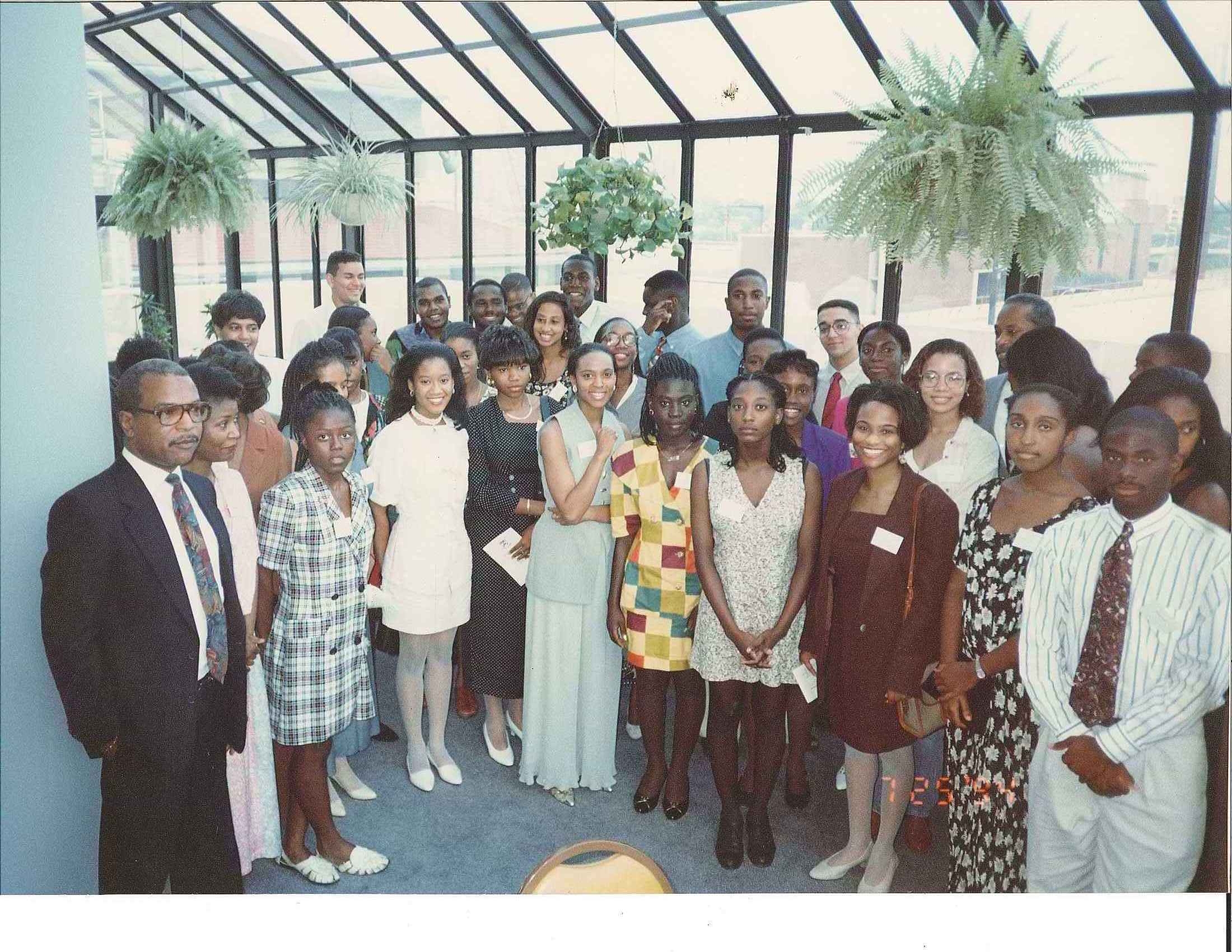
Africana Studies Summer Institute for Pre-Freshmen, 1994

Dr. Camille Z. Charles is the current Director of The Center for Africana Studies, the Chair of Penn’s Faculty Senate, Professor of Sociology and Education and the Edmund J. and Louise W. Kahn Term Professor in Social Sciences. When speaking of this historic milestone, Dr. Charles explains, “These anniversaries are truly milestones in Penn’s history. I am proud to help ensure that a once overlooked field of study has remained an integral part of the academy for forty years and continues to shape the educational experiences of all Penn students.”

This fall, the University will celebrate the 40th anniversary of the founding of Afro-American Studies at Penn and the 25th anniversary of the Center for Africana Studies Summer Institute for Pre-Freshmen, the first and, to date, only summer program of its kind and in the Ivy League.

On November 5, 2011 (Save the Date!) during Homecoming Weekend , the Black Alumni Society will join the Center for Africana Studies in a day-long series of programs and events in celebration of this milestone and in honor of Black History at Penn. The program series will include a brunch featuring the Black Alumni Society’s annual Honoring Leaving Legends program, a faculty and alumni panel, a reunion for past Summer Institute alumni and Afro-American or Africana Studies majors and minors as well as other exciting events and special guests. All alumni are invited to attend any of these historic events. For details, to RSVP, and to get involved please visit: The Center for Africana Studies Homepage or contact Michelle Houston at: mhoust@sas.upenn.edu.

Happy birthday, Africana Studies!

Leave a comment

Filed under Academics, Alumni Perspective, Alumni Programming, Cecilia R., Historical, Homecoming Weekend featuring arts and culture, Multicultural Outreach

A Penn Alumnus Remembers

Author: Lynn Carroll, C’93

Most Penn students arrive for their freshman year at the tender age of eighteen. They are questioning, seeking—naïve in some ways perhaps, often idealistic.

When Aaron Heller arrived at Penn he was twenty-two, like many students of his time. He had spent the past three years overseas, part of the enormous clash of humanity that was World War II. They were a different kind of student—more serious in some ways, better able to put life into perspective—but still seeking, and determined to take advantage of the GI Bill to get a good education.

Today, Aaron asserts that he is still seeking. He and his wife Rita (CW’48), voracious readers and lifetime learners, have traveled the world to see works of art that they read about in Proust. He has also become a painter as was his older brother, Samuel.

The following excerpt is from an essay entitled “Coming Home” which Aaron wrote his freshman year at Penn, nearly sixty-five years ago:

He was short in build, this overseas returnee, and his face was flushed. His hat was sitting at an indeterminate angle. His overcoat was unbuttoned and flapped disturbingly as he ran to the ticket window.

The scene in the railroad station became indelibly imprinted in the mind. Fur coats, arms and legs, natural and man-made hues gradually resolved themselves into an intelligible impression. The complacent fat jowl above the camel-hair overcoat pierced the scene and sickened him.

“How much to Philadelphia?” he asked the ticket seller.

“Two dollars and thirty cents.” The voice that spoke was monotonous and unconcerned. It disturbed him even more when he could find no moral reason to attach to his disturbance.

Every eye was watching him and his face flushed. He was clumsy while he placed his baggage on the rack and stammered apologies to an indifferent woman. His mind slowly perceived that this woman with wrinkled face and arthritic legs was in her own petty world. He looked at the other passengers to discover that they dwelt in a circle that used the width of the body as a diameter.

You can read the entire essay here

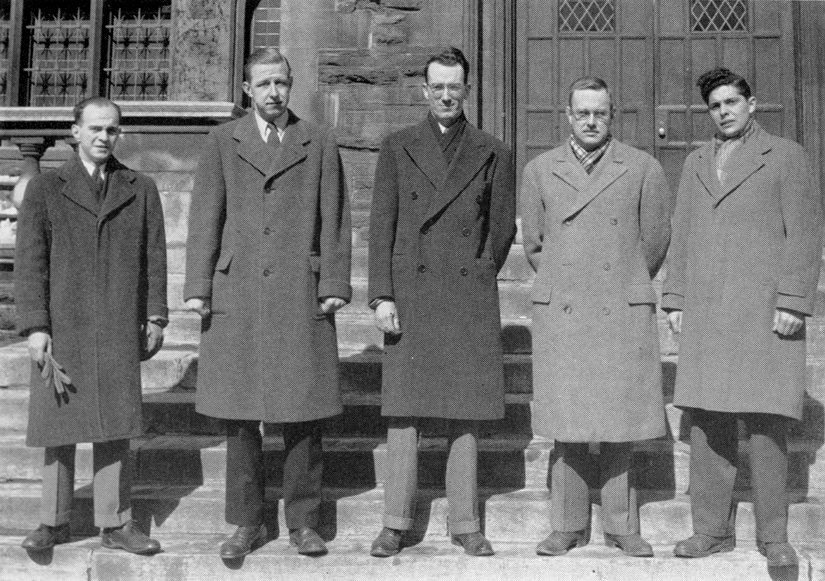
World War II veterans at Penn, Veteran's Club, group portrait

Leave a comment

Filed under Alumni Perspective, Campus Life, Historical, Lynn Carroll, Memories of Penn

Penn on the Move

Author: Colin Hennessy

Have you ever wondered what Penn looked like 100 years ago or even 200 years ago? When you work at or attend one of the oldest institutions in the country, you can’t help but image what campus was like in the days of our founder, Benjamin Franklin.

Historical Drawing of Campus at Fourth and Arch in Old City

Fortunately, this Penn staffer had the opportunity to spend some time with the University archivist to get the inside story on Penn’s campus and its remarkable transformation over the years. As a non-native Philadelphian, I did not know that Penn’s history starts not in West Philadelphia, but rather at Fourth and Arch in Old City. A campus comprised of the Academy /College Building, built in 1740, with the dormitory following in 1762.

College Hall

It wasn’t until the 1870’s that Penn made the move to West Philadelphia. Thanks to some forward-thinking land acquisitions, Penn’s trustees began to build the iconic structures that represent Penn today. Beginning with College Hall in 1871, Cohen Hall, and buildings of the now medical complex, Penn’s infrastructure quickly took root.

Over the next 100 years, roads through campus would be closed, trolleys would go underground, and Penn would continue to reach to the West and North. The history of Penn’s physical plant illustrates a fascinating story of land use and resource stewardship as this campus rests on what was once “the poor house” of Philadelphia.

Campus Map, 1878

For more information about the history of Penn’s campus, complete with photos and commentary, visit the website of the University Archives.

For now, as you walk through campus, take a moment to ponder how much has changed and reflect on what Penn may look like 100 years from now as Penn continues to be on the move.

Leave a comment

Filed under Colin H., Historical, Library

Before ENIAC…

Before ENIAC was the calculating machine pictured in 1935 at the Moore School of Engineering. According to the AP archives, it weighed three tons and contained 75,000 parts — makes me think twice about complaining about how heavy the iPhone 4 is…

Leave a comment

Filed under Historical

Spring Fling is On Its Way

Author: Lisa V., C’02

With Penn’s annual Spring Fling weekend just days away, I find myself thinking about the origin of this famous (some might say infamous) Penn tradition.

Skimmer Day

According to University Archives, Spring Fling actually grew out of an earlier Penn tradition known as Skimmer. Beginning in 1949, Penn students would gather on a Saturday each spring on the banks of the Schuylkill River to encourage the Penn crew team.  This tradition soon expanded to become a weekend of social, musical, and athletic events both along the river and on-campus. Soon thousands of students from up and down the East Coast flocked to Skimmer, enjoying not just the races, but also the jazz bands, the motorcades, the “co-ed” poster contest, the concerts, the dances, the fraternity parties, and the beer.

Unfortunately, the event turned out to be too popular for its own good. Large crowds, combined with youthful high spirits (and alcohol), eventually led to injuries, property damage, and arrests.  Over time, the focus of Skimmer Day/Spring Weekend shifted more and more away from off-campus activities along the Schuylkill River to organized events on-campus.

Like all traditions, Spring Fling is one that has evolved over time.  As per University Archives,  “The first official Spring Fling was held the weekend of April 21, 1973. Almost all of the weekend’s activities – which included carnival booths, art exhibits, and five hours of square dancing – took place in the Quad, and the concert, then gratis, featured a no-name guitarist named Dave Weinburg, who played from a chair on the grass of the Quad in front of McClelland Hall.”

This year, Spring Fling activities will take place across campus – from the headliner concert at Franklin Field to the carnival in the Quad and everywhere in between – and will attract nearly ten thousand revelers. The headline concert in Franklin Field – featuring Lupe Fiasco, Ratatat and Flo Rida – has already sold out at over 8,000 seats. The campus may have changed over the years, but the spirit of celebration at the start of this new season has not waned. In fact, it grows stronger each year.

Spring Fling: Then

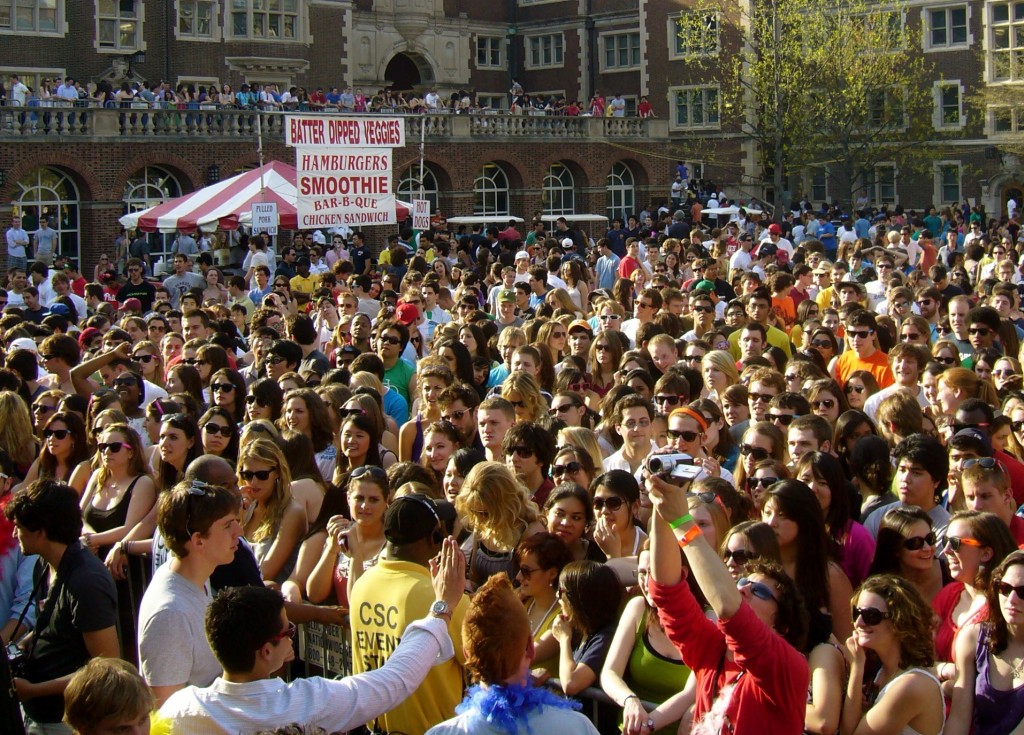
Spring Fling Now


Leave a comment

Filed under Historical, Lisa V., Memories of Penn, Traditions