Category Archives: Penn Alumni Travel

Penn Alumni Travel: Alaska 2013

Author: Dr. Jonathan Moreno, Department of Bioethics

When I was asked to serve as the faculty host for Penn Alumni Travel’s “Discover Southeast Alaska” I said “Yes!”

Then I said, “Now that we have a deal, you should know that I don’t know anything about Alaska.” It turns out that I now not only know a good bit about Southeast Alaska, I have also come to appreciate how the knowledge gained on the cruise fits with my own work.

But first, the trip.

On day one, we were welcomed with a native Alaskan dance by a troupe that ranged in age from one toddler to a few seniors.  The excitement of the Tlingit people about the opportunity to exhibit their culture and to rediscover it after decades of suppression and misunderstanding was palpable. Cultural interpreters were also on hand throughout the week to share and explain their native culture to us.

Then to the vessel.  The cozy surroundings of the Admiralty Dream contrasted with the magnificent scale of the natural sites we visited.  Monday’s highlight was a tour of a salmon hatchery, where we learned how to distinguish between farmed and ranched salmon – a lesson I will not forget when I make my next visit to Whole Foods – and how the rearing of ranched salmon is coordinated with the natural cycle.

Native arts in Alaska.

Native arts in Alaska.

Our trusty ship, the Admiralty Dream.

Our trusty ship, the Admiralty Dream.

At Hidden Falls, we were joined for the day by a remarkable young Park Service ranger who was positively poetic in her narrative about the significance of the region.  So were the two naturalists and the cultural guide who stayed with us for the entire week.  I now realize that they brought us along carefully as we explored one setting after another in the inland waterways.

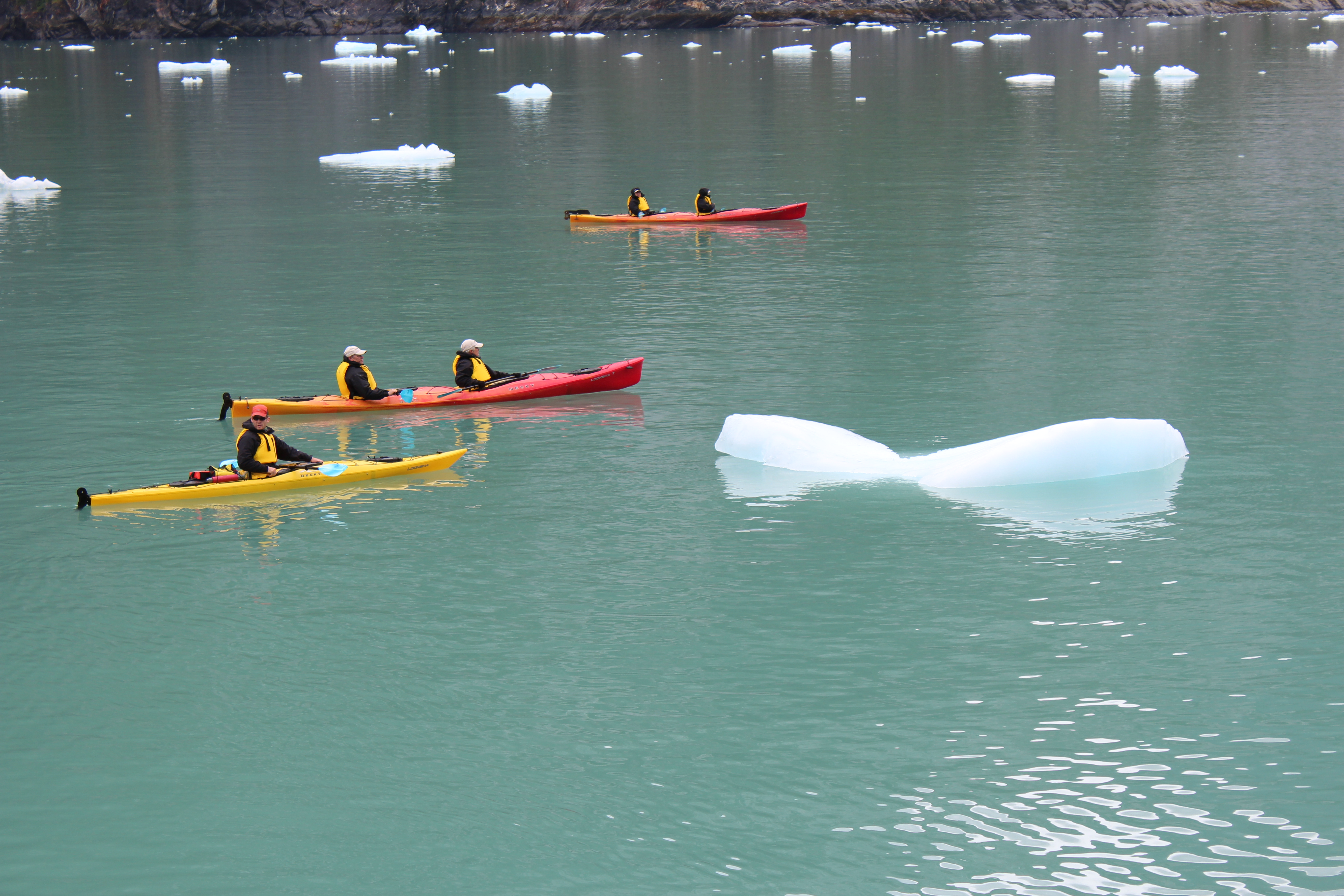
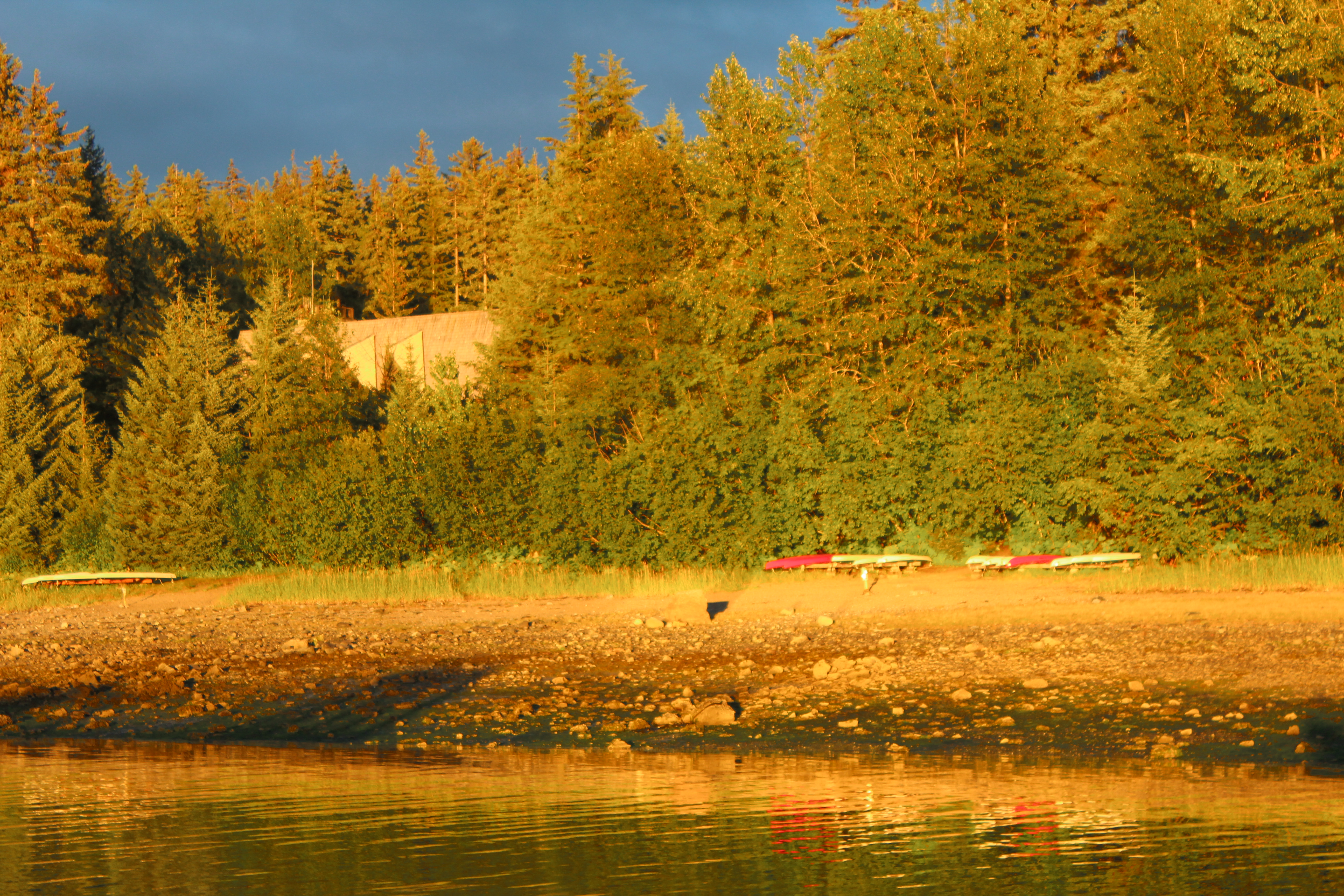
Kayaking in Gambier Bay brought us close to the vegetation and views that could not be achieved aboard the boat  (speaking of which, a few hours in Juneau under the shadow of massive cruise ships made us all very happy that we were on the Admiralty Dream, which was vastly more suitable to the surroundings and took us places that are inaccessible to the behemoths).

Kayaking tour in the bay.

Kayaking tour in the bay.

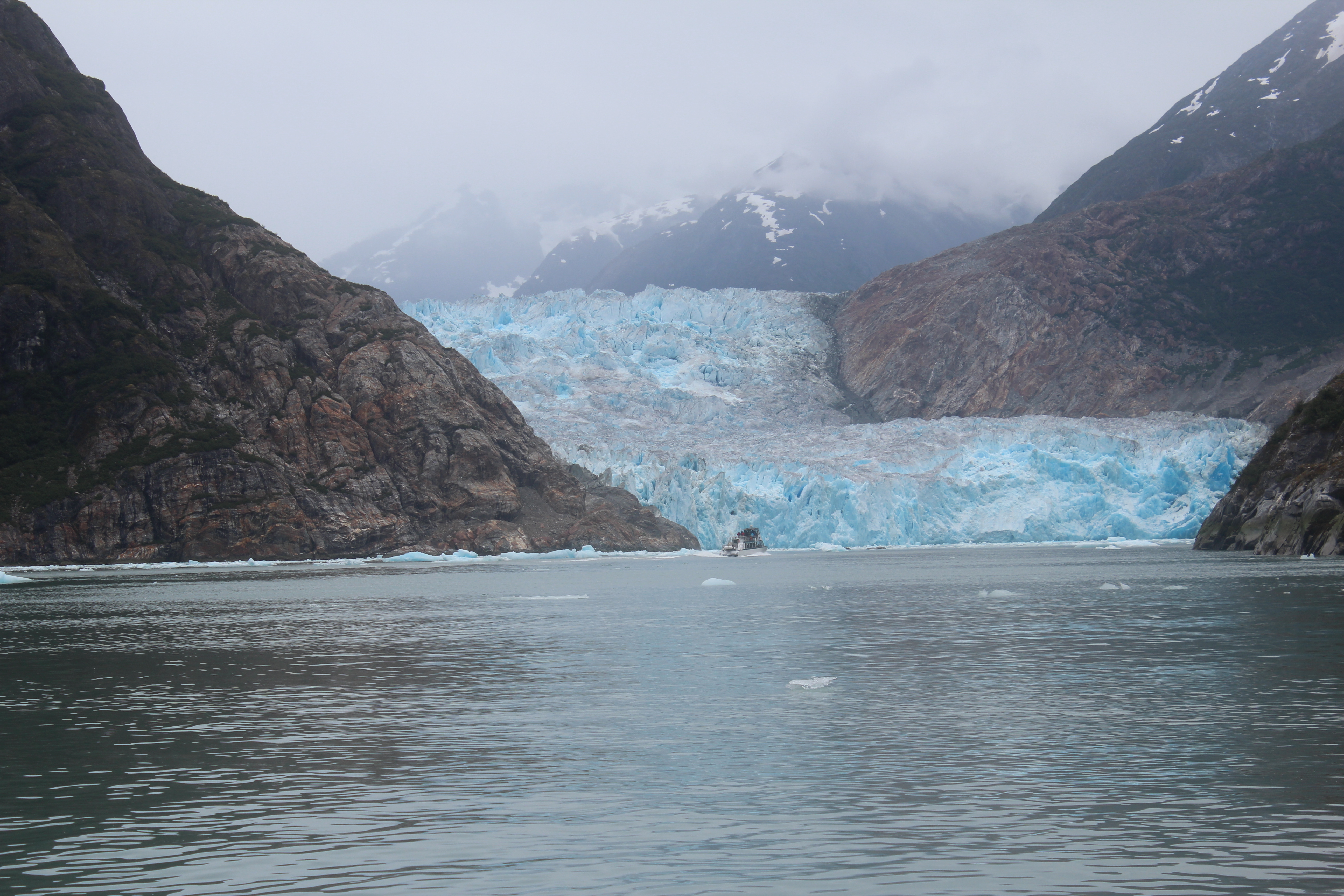
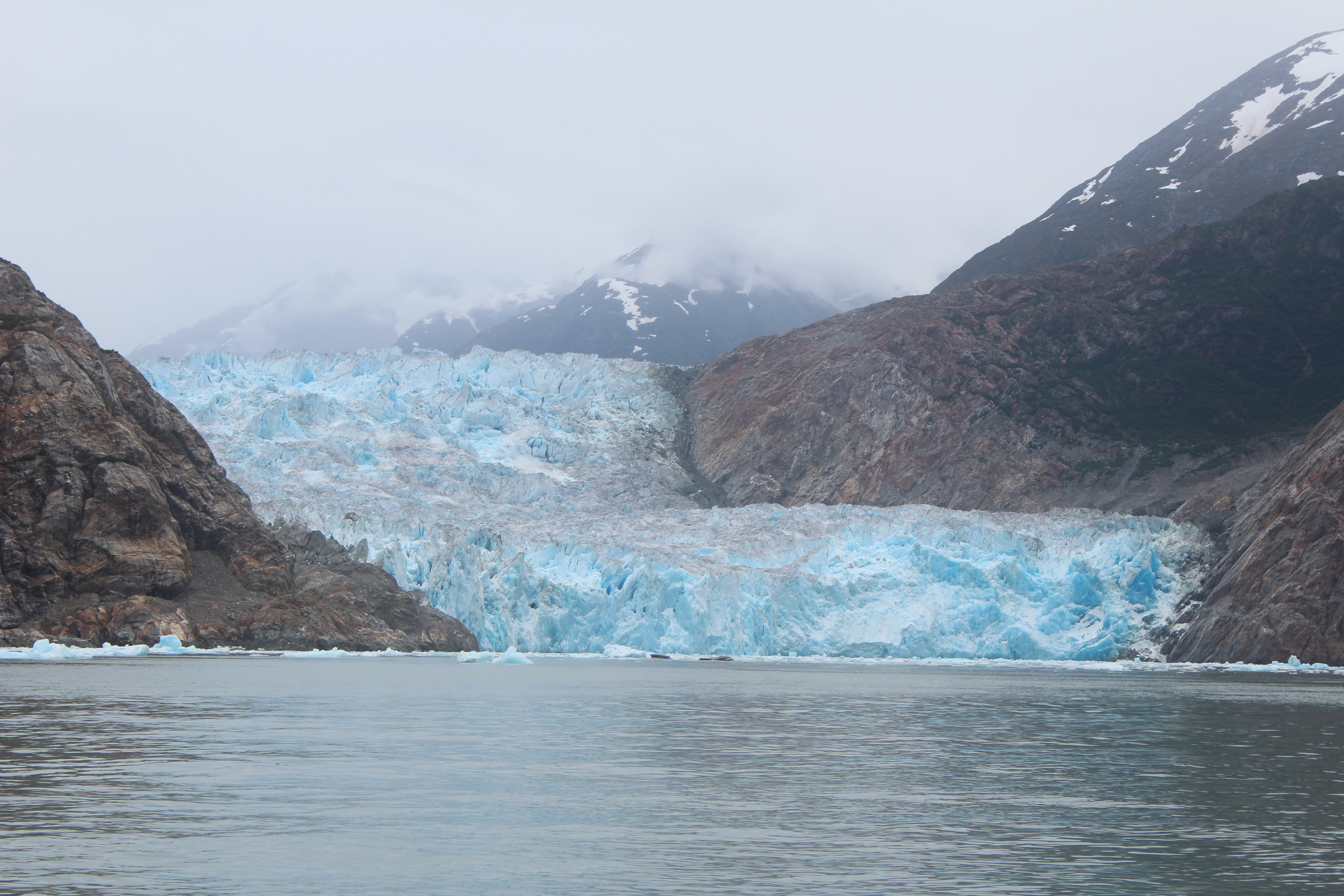
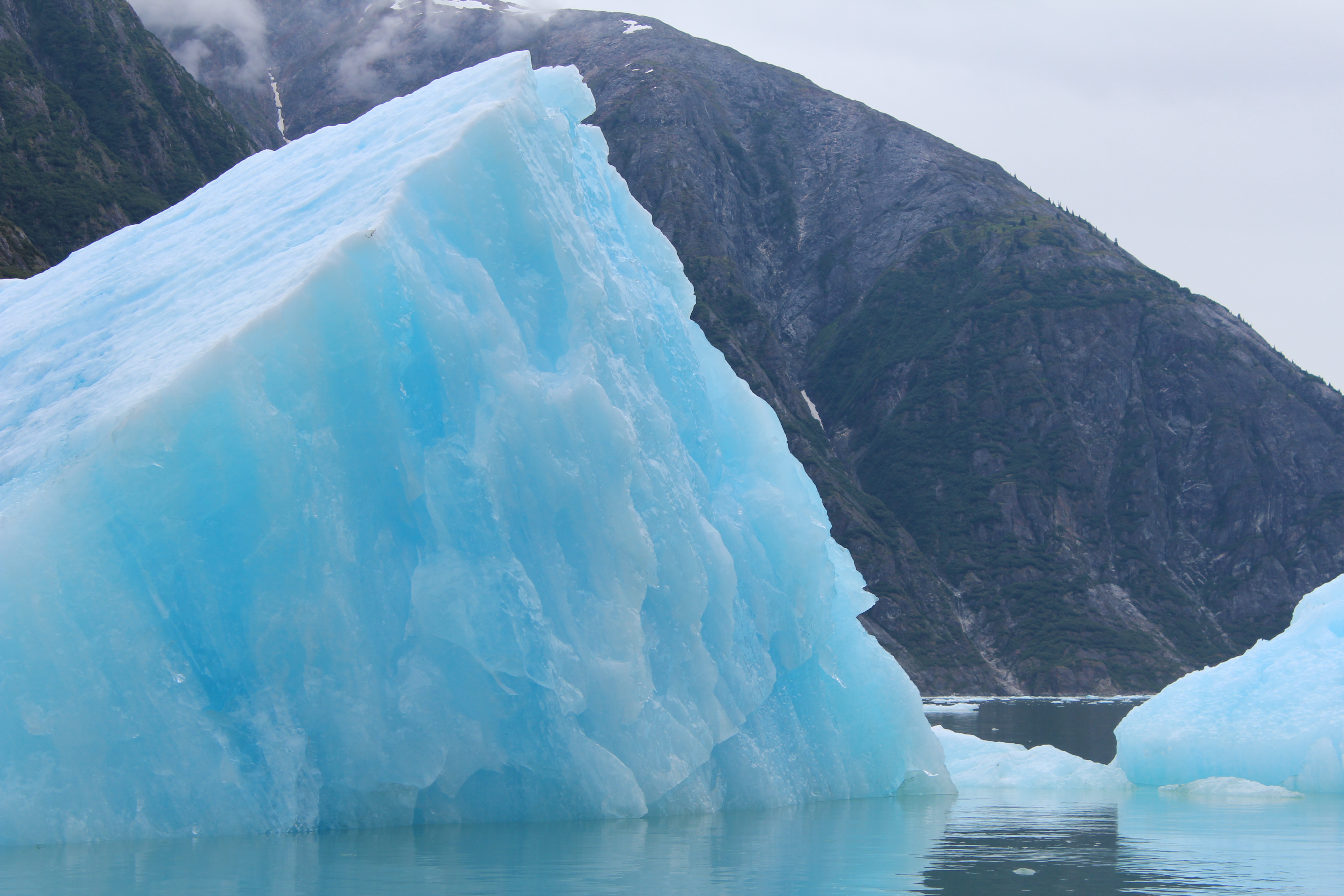
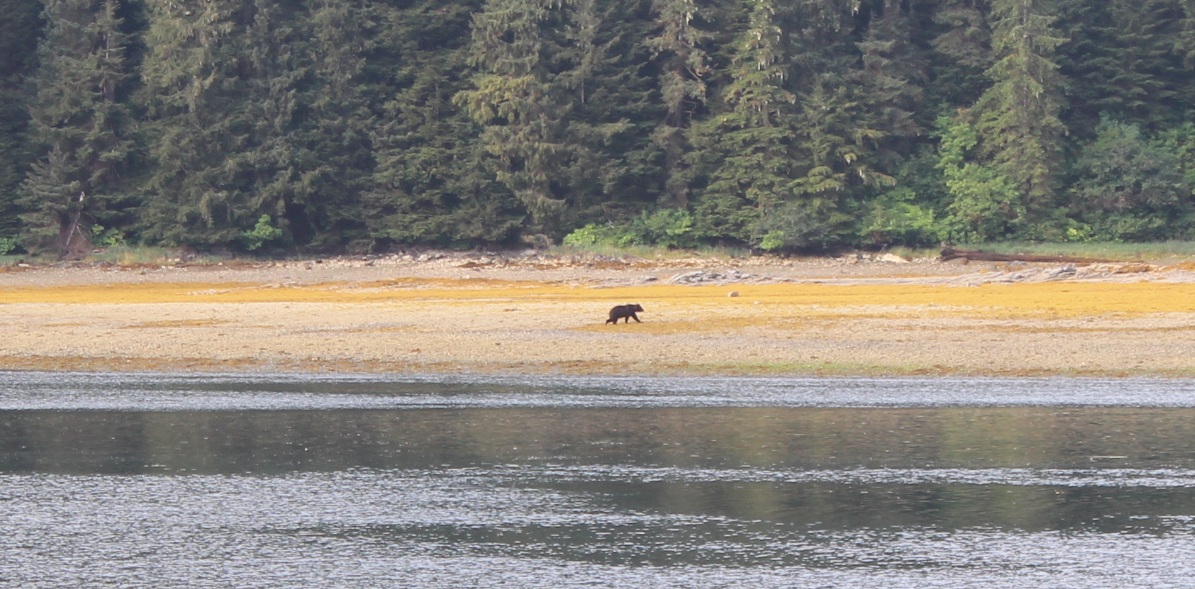
The whale watching on day five was astonishing.  At one point, we were surrounded in the hours before dusk by half a dozen whales, including two who were swimming, surfacing, and diving in harmony.  The consensus favorite site of the week was Glacier Bay, where groups of us went out on inflatable boats to observe the sea lions, one of whom also seemed to take great pleasure in observing us in return.  The naturalists and cultural interpreters emphasized that we are visitors in their territory, so a tradition of respect is cultivated among the traditional peoples.  The point was driven home the last day on a hike where the naturalists hoped very much to run across some bears, while I suspect many of the rest of us were perfectly happy not to have done so.  I am, however, now an expert in recognizing bear droppings, which seem to be used to inform humans that they are in the neighborhood.  Fair enough.

Spectacular whale-watching.

Spectacular whale-watching.

Glaciar Bay.

Glacier Bay.

I haven’t said anything about the food, which was excellent and abundant, or in particular the positively sadistic desserts that kept coming out of the kitchen.  Nor have I acknowledged that presence of non-Fighting Quakers on board, though the friendships that developed transcended institutional loyalties.

And my personal takeaway?  I should have appreciated more than I did how important the region was to the history of geology, as the concept of glaciation is owed to John Muir’s travels in Southeast Alaska.  He and another naturalist of the era, one named Charles Darwin, transformed our understanding of the natural world, all within a couple of decades of each other in the middle of the 19th century.

But I bet our desserts were better.

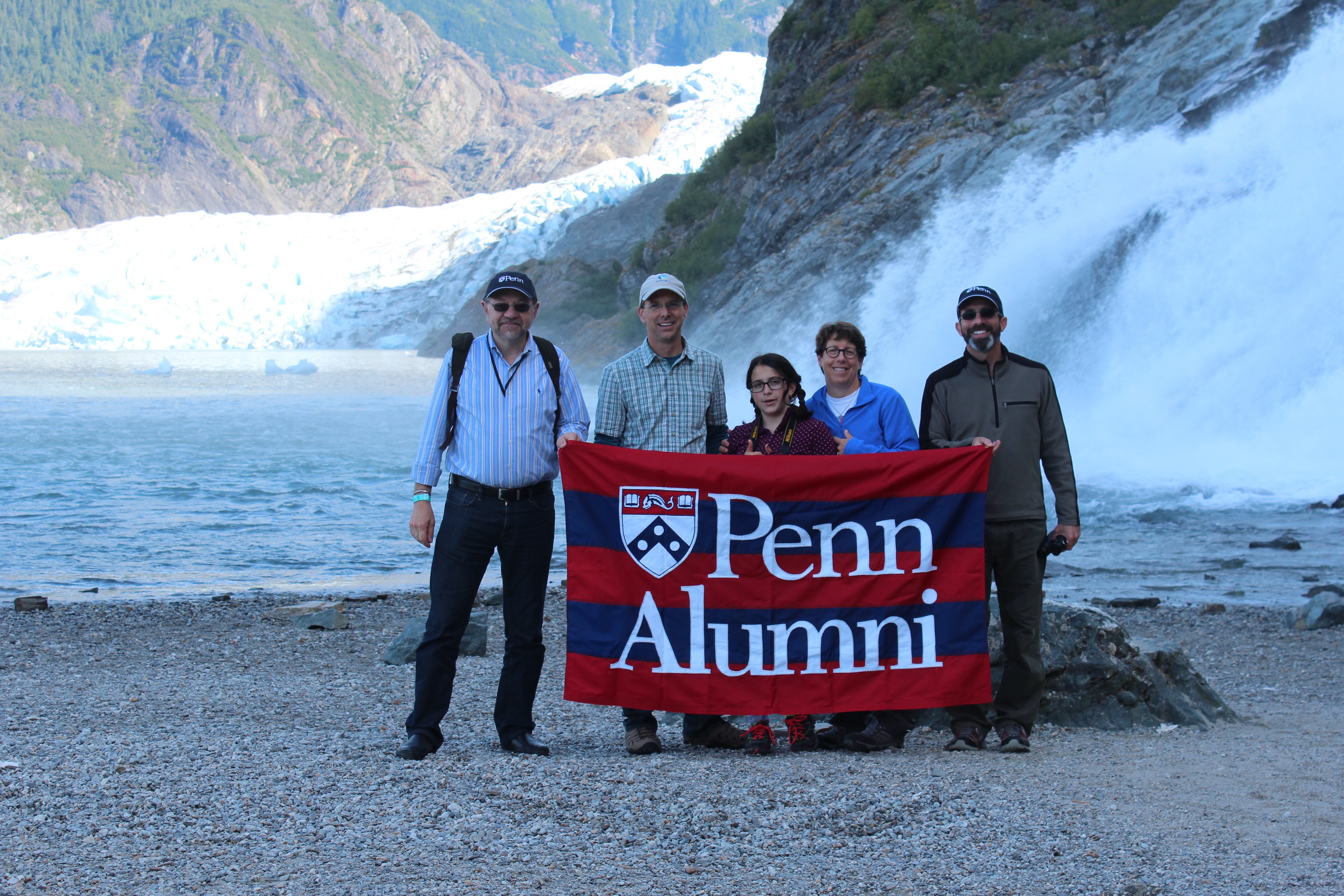
Penn alumni on board the ship.

Penn alumni on board the ship.

[Penn Alumni Travel will be returning to Alaska next year. Click here to learn more about our July 5-12, 2014 tour with Professor Larry Silver].

Leave a comment

Filed under Faculty perspective, Penn Alumni Travel, Travel

Sea Lions and Whales and Bears…Oh My!

Author: Janell Wiseley

About two weeks ago, I had the pleasure of traveling with Penn alumni, and Penn professor Jonathan Moreno, to South East Alaska.  Our boat, The Admiralty Dream, was a 66 passenger 104 foot ship that was designed to go where the larger cruise ships cannot. Cruising on this small ship gave us the best views possible while still having an intimate atmosphere where Penn passengers and those from the other schools were able to get to know one another on a first name basis and form friendships that hopefully last a lifetime.

I have lived outside of Philadelphia for all of my 34 years. Up until this point, my knowledge of wildlife has been Sea World and the Philadelphia Zoo. I have never seen wild animals in their natural habitat until this trip.  Every night (and the days not spent kayaking, hiking, or going for rides in the DIB), I would stand at the bow of the ship with my camera and binoculars and wait with my whale-watching friend Alan, for the sound of a humpback as it surfaced for a breath. Then, we would scan the water furiously hoping to get glimpse of these mammals.  I was never once disappointed.

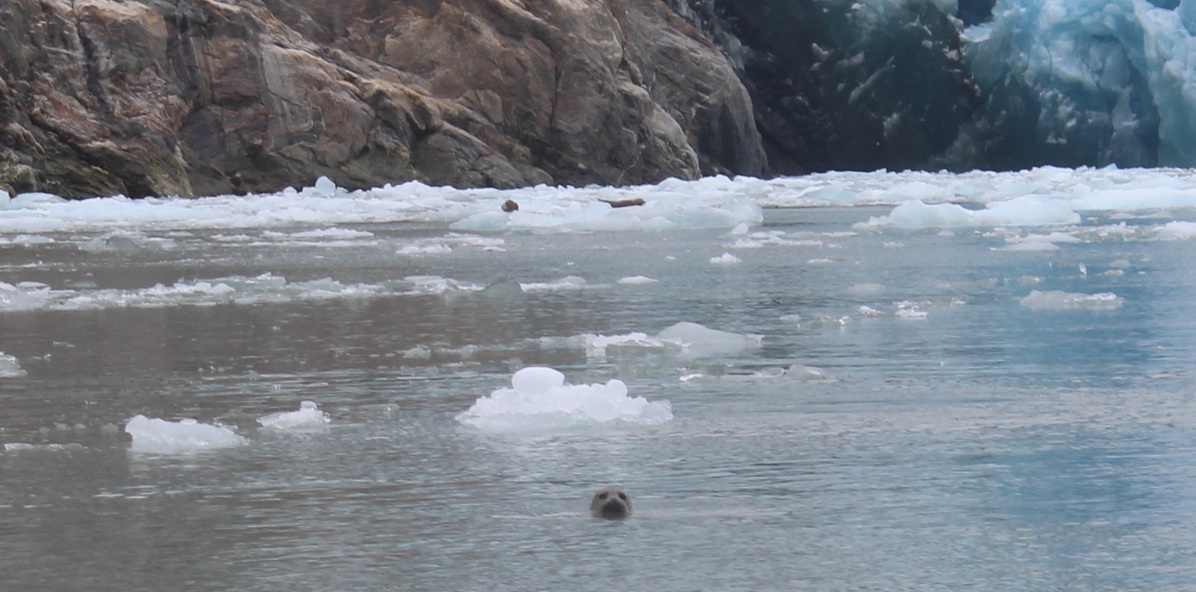
Besides whales, we saw sea otters, seals, sea lions, bears, moose, bald eagles and tons more wildlife and landscapes; too many to capture here.

This trip surpassed all of my expectations and if you ever get the chance to visit Alaska, this breathtakingly beautiful part of the United States, you should jump at the chance.  You won’t be disappointed.

seal3

seal1

fluke2

calving1

865

838

746

735

658

361

608

575

570

361

bear3

1 Comment

Filed under Janell W., Penn Alumni Travel, Travel

Penn Alumni Travel: Discover Switzerland

Author- Professor André Dombrowski, Penn Art History Department

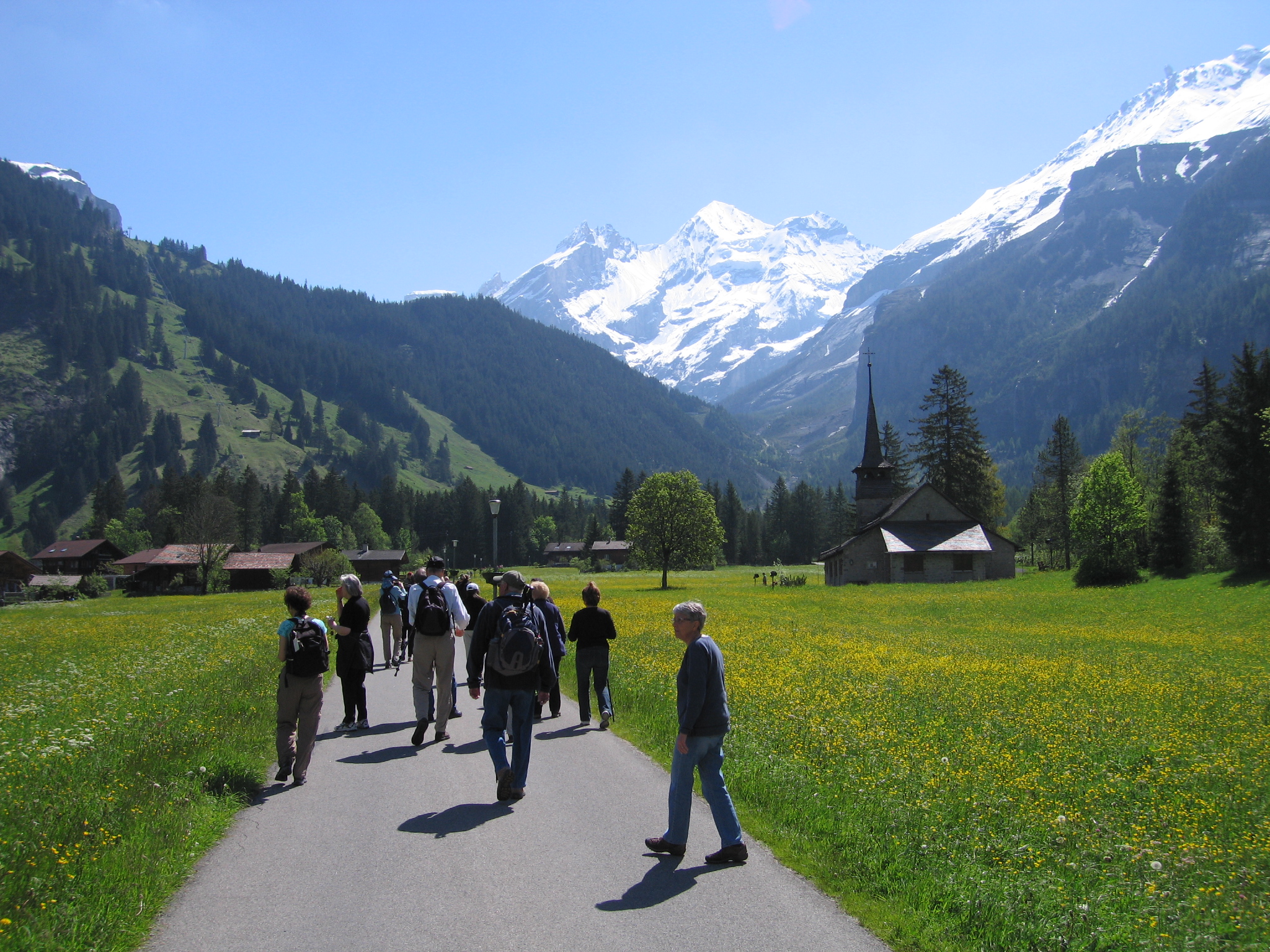
A few weeks have passed since my return from a spectacular stay in the Alps, the 2013 Penn Alumni Travel trip “Discover Switzerland.” Serving as faculty host, I had the privilege to get to know over twenty guests, including nine Penn alumni. And what a wonderful trip it was, surrounded as we were by stunning scenery—awe-inspiring mountains, calm glacial lakes, gushing waterfalls, pretty Alpine flowers—that kept surprising us with its endless variety, sublimity and charm.

Breathtakingly beautiful Swiss Alps.

Breathtakingly beautiful Swiss Alps.

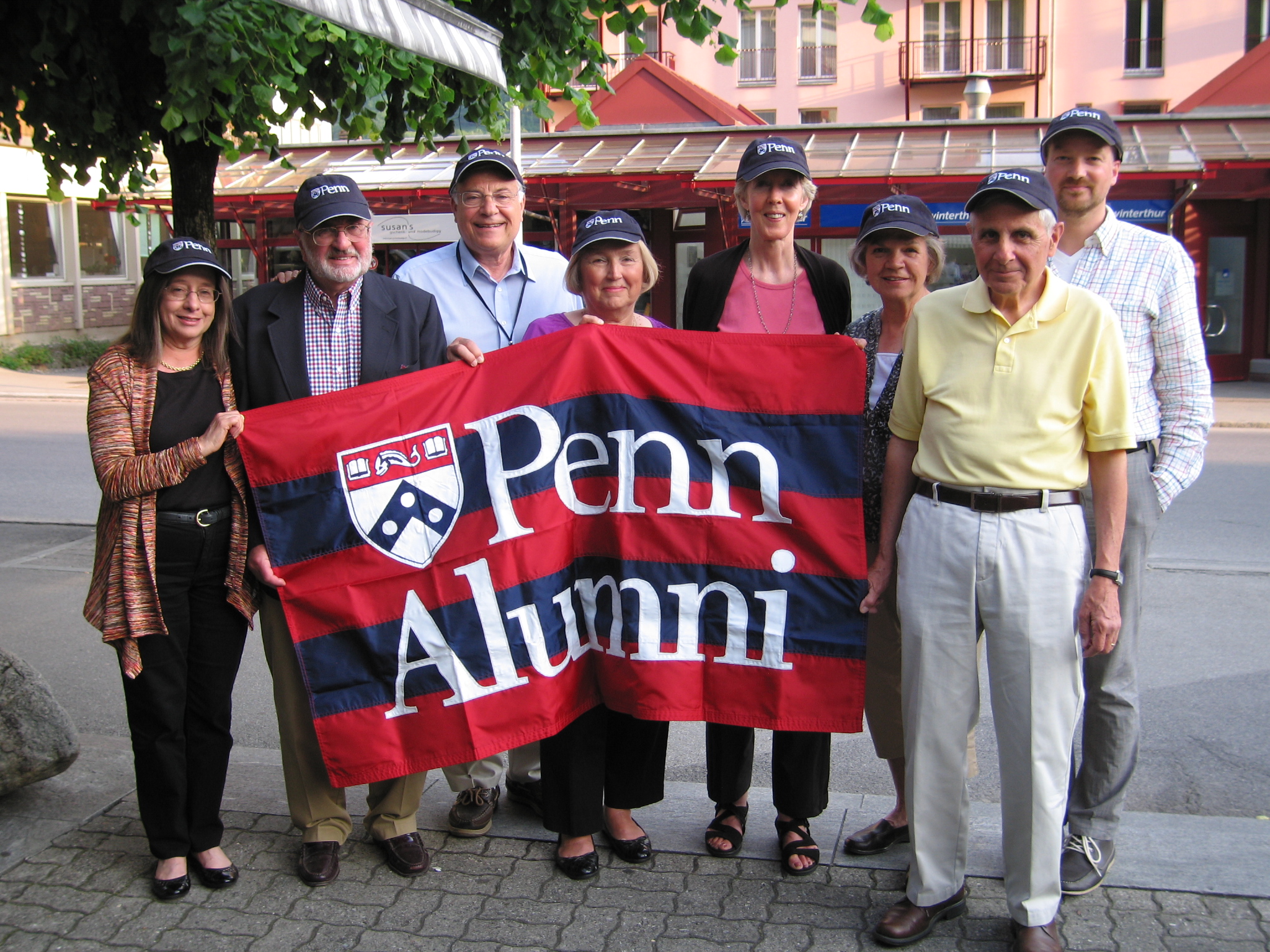
Because of previous obligations, I could join the group only for week two of their two-week long stay, and I had to miss visits to Bern and Lucerne among other places the previous week. Once I arrived in Switzerland, and at our centrally located Alpin Sherpa Hotel in Meiringen, a small town smack in the middle of the Alps, I met the group for the first of several dinners. The guests struck me immediately as extremely friendly, relaxed, and casual. We had a wonderful time together as a group, and our Penn connections were toasted at the Penn reception the next evening. From then on many breakfasts and dinners were enjoyed together at the hotel restaurant that served delicious local cuisine and made sure we tasted many of the local specialties night after night. Our host, Anja Mortensen was superb, engaged and funny and charming, and she kept us all in line as well as entertained. Our local guide was Jessica Powers Rufibach—her name itself testimony to her interesting background (she is from California, but now lives in Meiringen)—who gave us fantastic introductions to the various towns and sites. The Penn guests came from all walks of life and had various connections to the university, which we enjoyed exchanging: some of them still lived nearby, in University City, others had arrived from Connecticut and Maryland.

Penn Alumni with Professor Dombrowski in Meiringen.

Penn Alumni with Professor Dombrowski in Meiringen.

From Meiringen, we took day-trips. My day one took us to the Alpine village of Kandersteg from where we took a cable car up to the Alpine Lake Oeschinen, then hiked to enjoy the spectacular views over this gorgeous, clear lake. The next day we visited the medieval town of Murten, beautifully preserved including parts of its medieval wall. There was a small antique market in town, which we happened upon as a surprise, before boarding a boat to go across Lake Murten to tour the winery “La Petite Chateau”. Once there, we were introduced to the local wine traditions and had a wine tasting of some ten delicious wines that were served with the local specialty, a savory home-made tarte flambée. The following day was off for everyone, and I decided to offer an ad-hoc tour of an interesting site in nearby Lucerne, the 19th-century Bourbaki Panorama, one of the last remaining such large-scale historical panoramas in the world. The next day we were off to Zermatt, at the bottom of the famous Matterhorn. The mountain that day was covered in low-hanging clouds, but we nonetheless enjoyed trying to snatch a peak when they happened to open up a bit. The final trip of the week took us to the medieval towns of Thun and Spiez, which we reached by a scenic boat ride across Lake Thun. That last evening, we had our final reception and dinner at the hotel, which made everyone wish that this amazing experience was not yet coming to an end.

The Alpine Lake Oeschinen.

The Alpine Lake Oeschinen.

Two evenings during this week I lectured to the group, which showed their enthusiasm through their many informed questions. One evening, I lectured on my current research project on Impressionism and techniques of time-keeping in the nineteenth century, which dovetailed nicely with what we were learning elsewhere about the local Swiss clock-making industry. The second evening, I lectured on modern Swiss art, stretching from the symbolist painter Arnold Böcklin to the modernist Paul Klee to the Dada movement founded in Zurich during World War I.

The trip was very memorable for me. I had not been to Switzerland in over ten years, and exploring this gorgeous country with other Penn guests made me appreciate its special beauty and charm anew. Hopefully, until another trip together.

[Professor André Dombrowski will be leading a summer 2014 tour for Penn Alumni Travel through the heart of Europe: Germany, the Netherlands, Switzerland, and France. You can learn more about this trip, The Great Journey, here. To view more of Professor Dombrowski’s Switzerland pictures, click here.]

Leave a comment

Filed under Faculty perspective, Penn Alumni Travel, Travel

Bus People

Author: Howard S. Freedlander, C’67

Ever drive into a fast-food restaurant or any other highway restaurant, see a tour bus, express disgust to yourself or a passenger and simply choose another place to eat quickly?

Ever visit a sightseeing spot, see a tour bus or buses and, again, shrug and express a word or two of pique and impatience and then endure the ensuing onslaught of camera-carrying, earnest and chattering masses?

My guess is that your answers to these mostly rhetorical questions are “yes” and “yes.”

Well, folks, for 10 days on a Penn-sponsored tour of the southwest national parks, my wife Liz and I, along with 22 other people, were “bus people.” Never thought I would claim that distinction. It was okay, and fitting.

On an incredibly fascinating tour of the parks, joined by alumni of Smith College, Case Western, Temple and the University of North Carolina, my wife and I became certified tourists, carrying cameras and intense desire to grasp the geological marvels facing us every day of our trip.

As we stopped for lunch and potty breaks (nearly all of us in our 60s and 70s) in places such as Mt. Carmel Junction, UT, St. George’s, UT and Richfield, UT, we crowded (sort of) fast-food emporiums and gift shops (also known as trading posts). In nearly all cases, the proprietors and their employees were very pleased, naturally, and other customers seemed mildly disinterested. I was particularly amused when we stopped at Mt. Carmel Junction on our way from Bryce National Park to Zion National Park, and three tour buses, including ours, arrived at the same time.

I recall on a visit to the Scottish Highlands in 1998 with our British friends, my friend Richard used an unfavorable expression when we saw a tour bus arrive at the same scenic location as we did. We laughed and derided these bus-borne tourists. In Utah and Arizona, my wife and I fit my friend’s description, happily so.

When we arrived at Arches National Park in southeast Utah, I must have seen three tour buses and heard voices representing France, China and perhaps others. Bus people. And so were we all as we crowded paths and walkways to see, touch and photograph the arches and then exclaim and chatter, incessantly.

Who were the otherwise faceless tourists in our group? Two were Penn grads, a medical doctor in Philadelphia and the other an attorney in Cleveland. One was a military psychiatrist. One was a public relations executive in Connecticut. One was a neurological radiologist in California. One was a longtime staffer to the late Sen. Ted Kennedy. One has run thrift shops in Philadelphia. One was a plumber in Philadelphia. One was a mentor to Penn students in the Graduate School of Education as they interned in area schools. One was a development director at a marine science lab in Maryland. One was a retired deputy treasurer in Maryland.

So, maybe, my tolerance for “bus people” has taken a turn for the better. Maybe, just maybe, they are like my wife and me. They chose a form of tourist travel that allows you to see many unbelievable and awesome sights in the comfort of a bus, allowing all decisions and logistical decisions made by others. I didn’t even have to carry my own luggage during the trip, except from my room to the front door of the room for a “bag pull”—that is, transfer of our luggage to the bus. On the morning we left Las Vegas to go to the airport to return home, I insisted, over the objections of the private car carrier’s driver, to carry my own luggage just to reenter the real world.

Ever heard of “scatter lunches?’

The phrase was new to me. Periodically, our group—smaller than most—would stop at a shopping center (yes, we had to travel between natural wonders), a man-made, utilitarian creation, for lunch. We could choose among several ubiquitous fast-food restaurants, spending an hour before reporting promptly to the bus. Remember we “bus people” had schedules—and dare you not to abide by instructions from a very competent, cheerful and well-meaning tour director. Our schedule of stops—Grand Canyon, Navajo Reservation, Glen Canyon Dam, Antelope Slot Canyon, Monument Valley, Arches National Park, Bryce National Park and Zion National Park—was full and fulfilling.

What did it feel like being a “bus person,” touring the southwest national parks in an organized, structured way?

It was an extraordinary experience. For many of us on the East Coast, we have looked to the east, to Europe, the Mediterranean and Africa for vacation and education. Perhaps we have overlooked our own natural wonders. That seemed to be the prevailing sentiment among our well-traveled group members. It was time to see our own country—by way of a bus.

We went from the awful (Las Vegas), our starting and ending point, to the awesome (Grand Canyon) in rather short order. Just like that, we transcended the glitter and gloss for geological formations that strained your imagination. We immersed ourselves in Navajo culture and history, paying due reverence to movie icon John Wayne, who starred in many John Ford-directed movies shot in the Navajo desert. We visited Monument Valley, finding it haunting and mystical; we visited Arches National Park, marveling at the geological creations formed over millions of years; we visited Bryce National Park with its beautiful, fractured cliffs, finding a different viewpoint every time you shot a digital photo; and then, finally we visited Zion National Park, serene and accessible to park visitors, who could touch wet cliffs with hanging plants and walk along the calm Virgin River.

So, we were certifiable “bus people” who ate “scatter lunches,” talked about children and grandchildren, discussed past and current jobs—and shared rather personal information. I found that people, away from familiar surroundings, shared intimate details about family matters. A close bond materialized, albeit briefly. What is said on the bus, stays on the bus, I guess.

Would my wife and I join another organized tour again, transforming ourselves into obedient “bus people,” for whom all decisions are made and rarely, if ever, do you carry your own luggage? Yes, we would do it again, gladly so, possibly in a foreign locale. We have experienced the joy of not worrying about logistical details, of not negotiating with hotels and car rental agencies, not having to figure out itineraries—and not carrying our own luggage, until we go home and return to reality.

We no longer will sneer at tour buses, as they pour lots of people into a local fast-foot restaurant. We will welcome visitors and tourists who may at time look unsure of their surroundings. We will appreciate the different voices and accents. After all, we “bus people” are brethren.

Ultimately, the view was worth the bus ride.

Ultimately, the view was worth the bus ride.

Leave a comment

Filed under Alumni Perspective, Guest blogger, Penn Alumni Travel, Travel

My Top Penn List: Faculty Travelblogs

Author: Casey Ryan, C’95

During the summer, it’s nice to have some time to slow down and catch up on things between Alumni Weekend & Graduation and New Student Orientation. In addition to having some time to work on long-term projects, I get more time to enjoy some fascinating posts on our blog by our own faculty.

I was drawn to these stories due to my own wanderlust.  I hope these entries inspire your own dreams and travels.

10. Marvelous Macchu Pichu and Mythic Toga Parties: Relive Gwendolyn DuBois Shaw’s, Associate Professor of American Art, visit to mystical Peru.

Macchu Pichu

9. Italian Inspirations: Reminisce with Michael Gamer, Associate Professor of English, on his journey through magical Italy.

Venice

8. Paris to Normandy: Experience the relaxed atmosphere of a French river cruise with our Professor Gwendolyn DuBois Shaw.

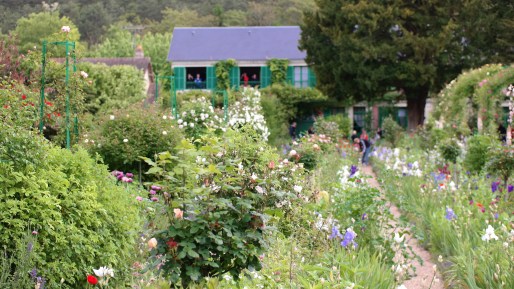
Monet’s house, Giverny, France

7. Cruising the Dalmatian Coast: Explore the wonders of the Adriatic and the Dalmatian coast with David Wallace, Judith Rodin Professor of English.

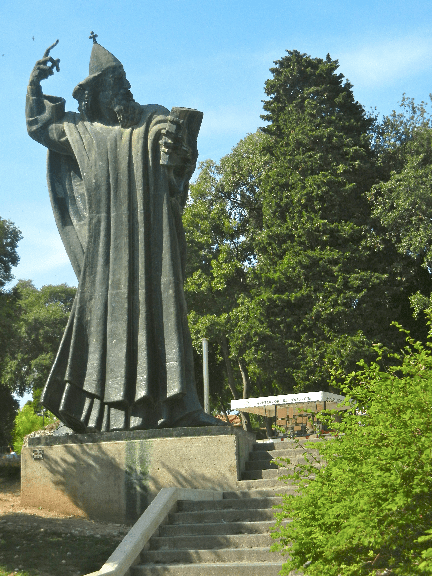
Grgur Ninski statue, Split, Croatia

6. The Waterways of Holland and Belgium: Simon Richter, Professor of Germanic Languages and Literatures, shares his discoveries along the impressive canals of the Netherlands and coast of Belgium.

In Bruges

5. Sketches of Spain: Find out more about Northern Spain and Basque Country from our prolific faculty blogger, Gwendolyn DuBois Shaw.

Casa Battló, Barcelona

4. The Danube River and Habsburg Empire: Enjoy André Dombrowski’s, Assistant Professor of Art History, tale of traveling down the Danube.

Dürnstein, Austria

3. Across Time and Space – Discovering Morocco: Wax nostalgic about the timelessness of Morocco with Thomas Max Safley, Professor of History.

Kasbah, by Murray Sherman, Gr’69

2. Baltic Dispatches, Part 2: Relive Art Caplan’s, the former Emmanuel and Robert Hart Director of the Center for Bioethics, trek around the Baltic States.

Riga, Latvia

1. Turkey Trot: Join Larry Silver, Professor of Art History, in his search for the quintessential Turkey.

The Blue Mosque

These are some of my favorite stories and pictures from our amazing faculty.  I’ve been on orbitz, expedia and travelocity to plan some of  my own holidays, inspired by our globetrotting professors. Better yet, I’m going to peruse the Penn Alumni Travel page and discover my future expedition there.

Leave a comment

Filed under Casey R., Faculty perspective, Penn Alumni Travel, Top Ten

Penn Alumni Travel: Paris to Normandy

Author: Gwendolyn DuBois Shaw, Penn Professor of Art History

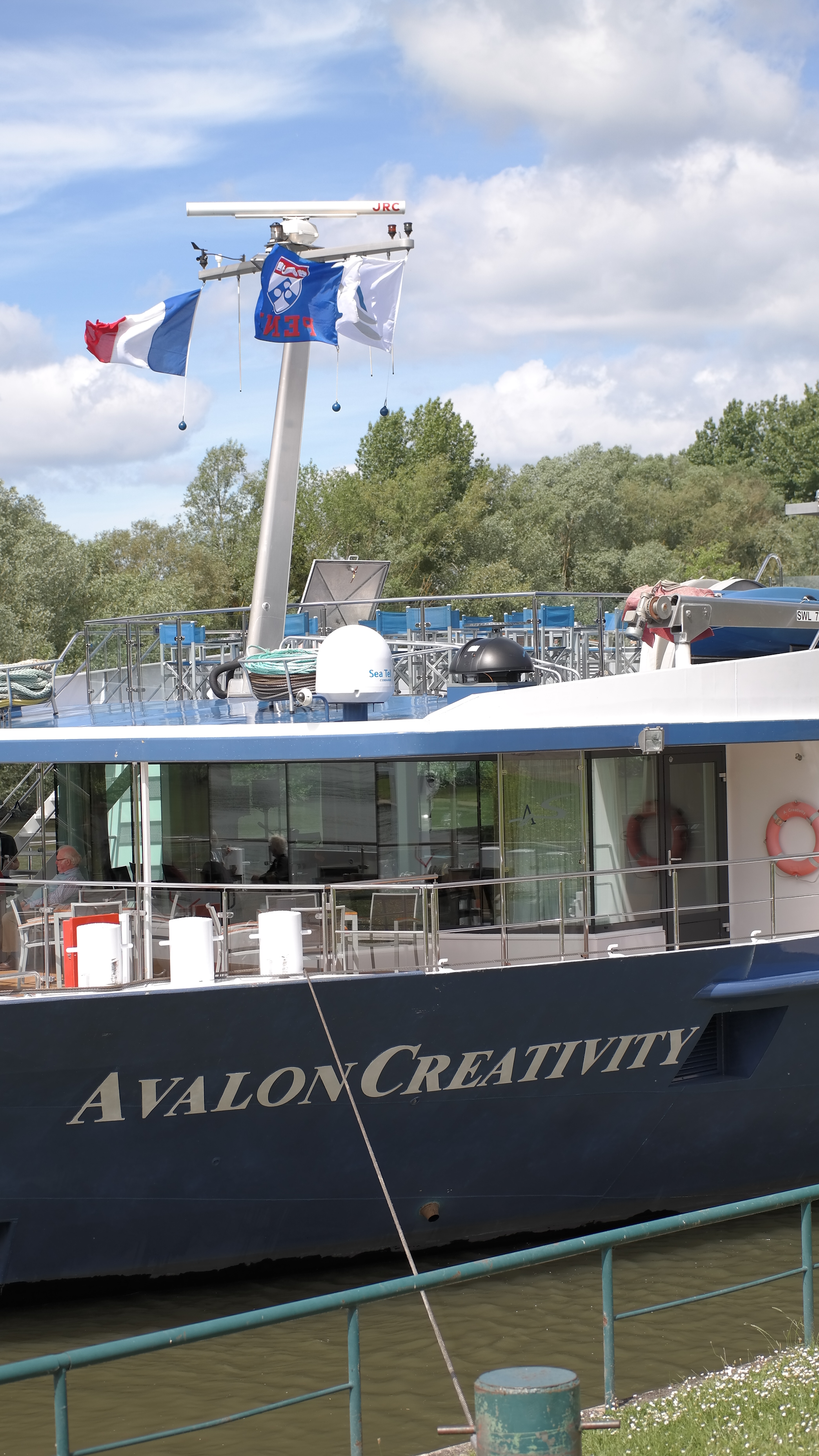
Paris in June!  Does it get any better?  Only if you are cruising down the Seine River aboard the immaculate Avalon Creativity with a snifter of Calvados in hand en route to beautiful and historic Normandy for five days before returning to the City of Lights once more.

Despite having taken over a dozen ocean cruises, including hosting a Penn Alumni Travel cruise to the Lesser Antilles aboard the elegant Silversea Silver Whisper in 2011, I had never taken a river cruise before embarking on our Paris to Normandy trip from June 11-18, 2013.  I now know that river cruising is a more relaxed and quieter relative of ocean cruising.  It is definitely in the same family of travel, where you visit many places but only unpack once, but without the dreaded seasickness or the constant lure of the casino and other onboard activities that can play havoc with your travel budget.

The Avalon Creativity flying the Red and the Blue!

The Avalon Creativity flying the Red and the Blue!

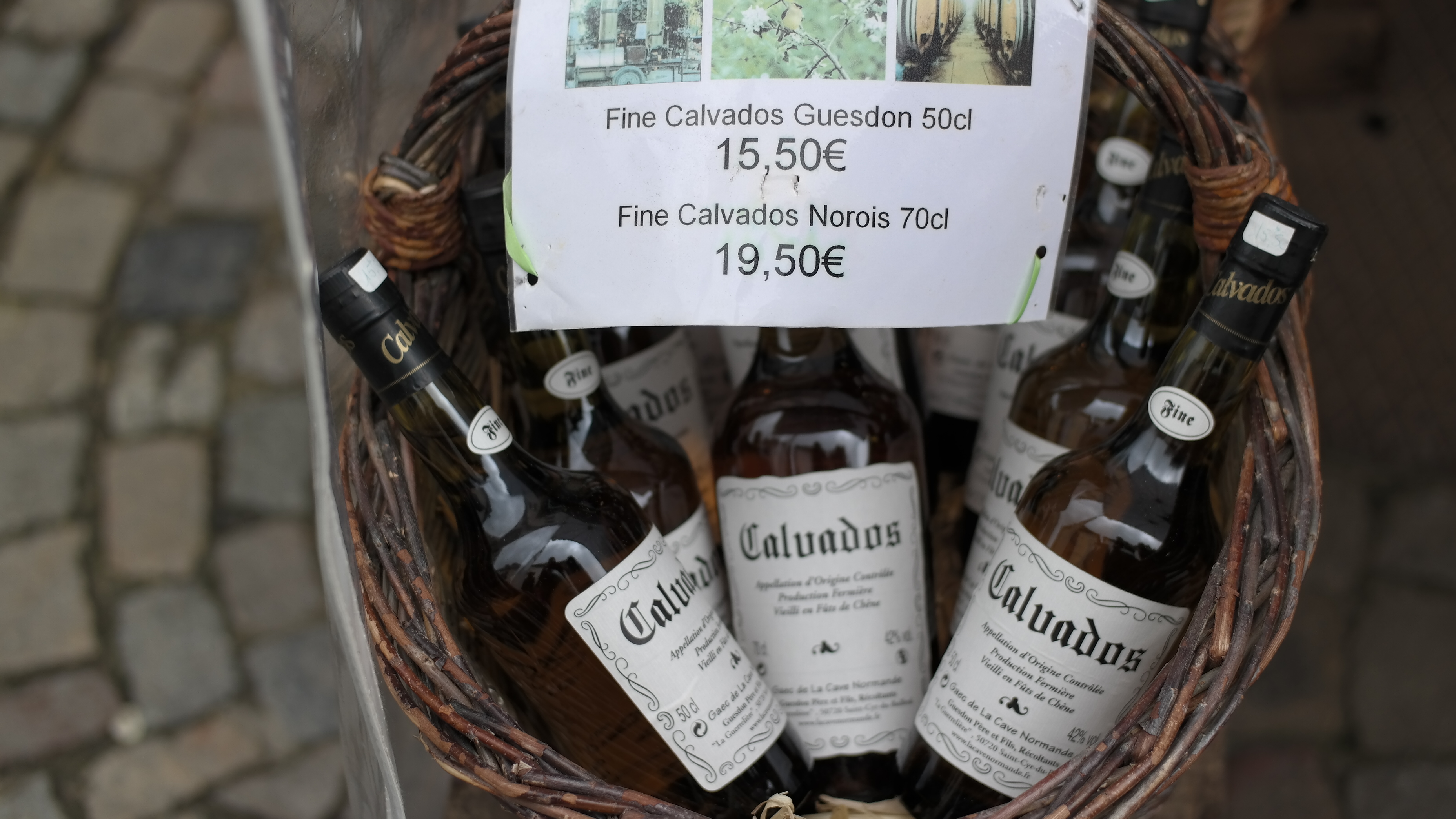
With river cruising, the real star is the countryside through which you are traveling.   And boy was Normandy a stunner!  From its World War II landing beaches;  marvelous medieval cathedrals and castles; rich cheeses, such as camembert, livarot, and pont l’eveque; and tasty cidre, pommeau, and calvados brandy, it is one of the most historic and palate-pleasing regions in France. I found the itinerary to be both delightful and educational!

Calvados, French Apple Brandy, for sale in Honfleur.

Calvados, French Apple Brandy, for sale in Honfleur.

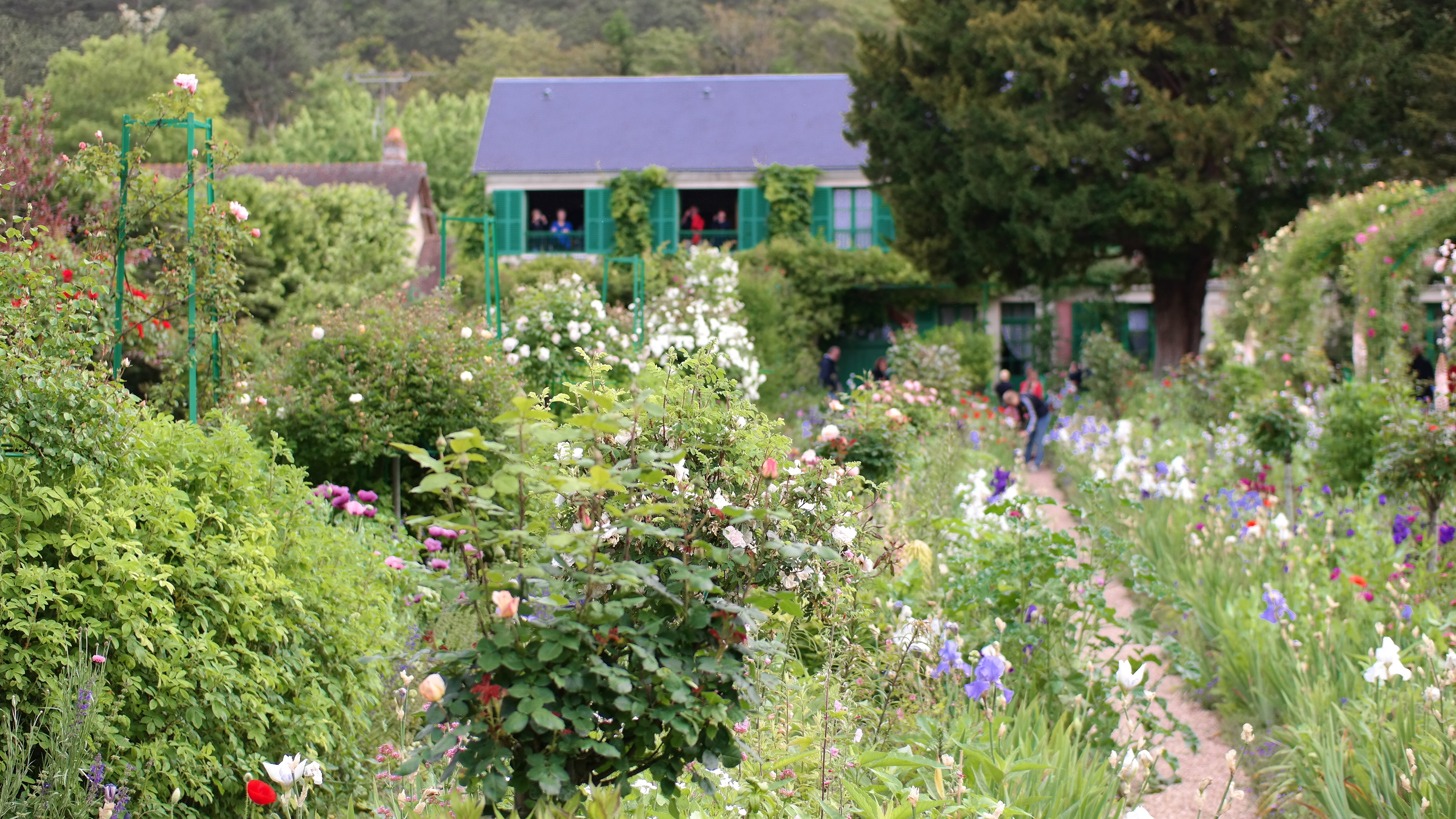
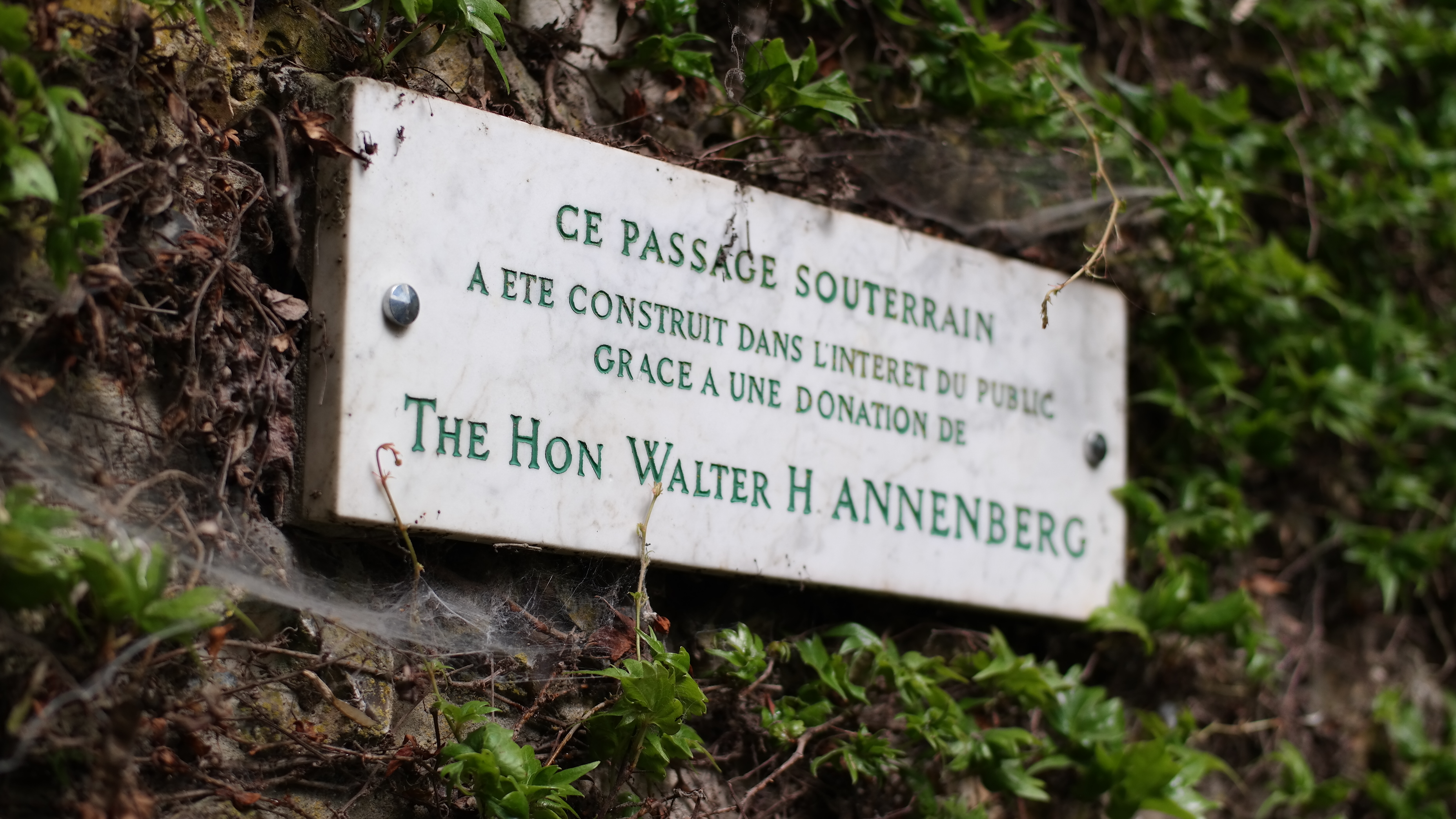
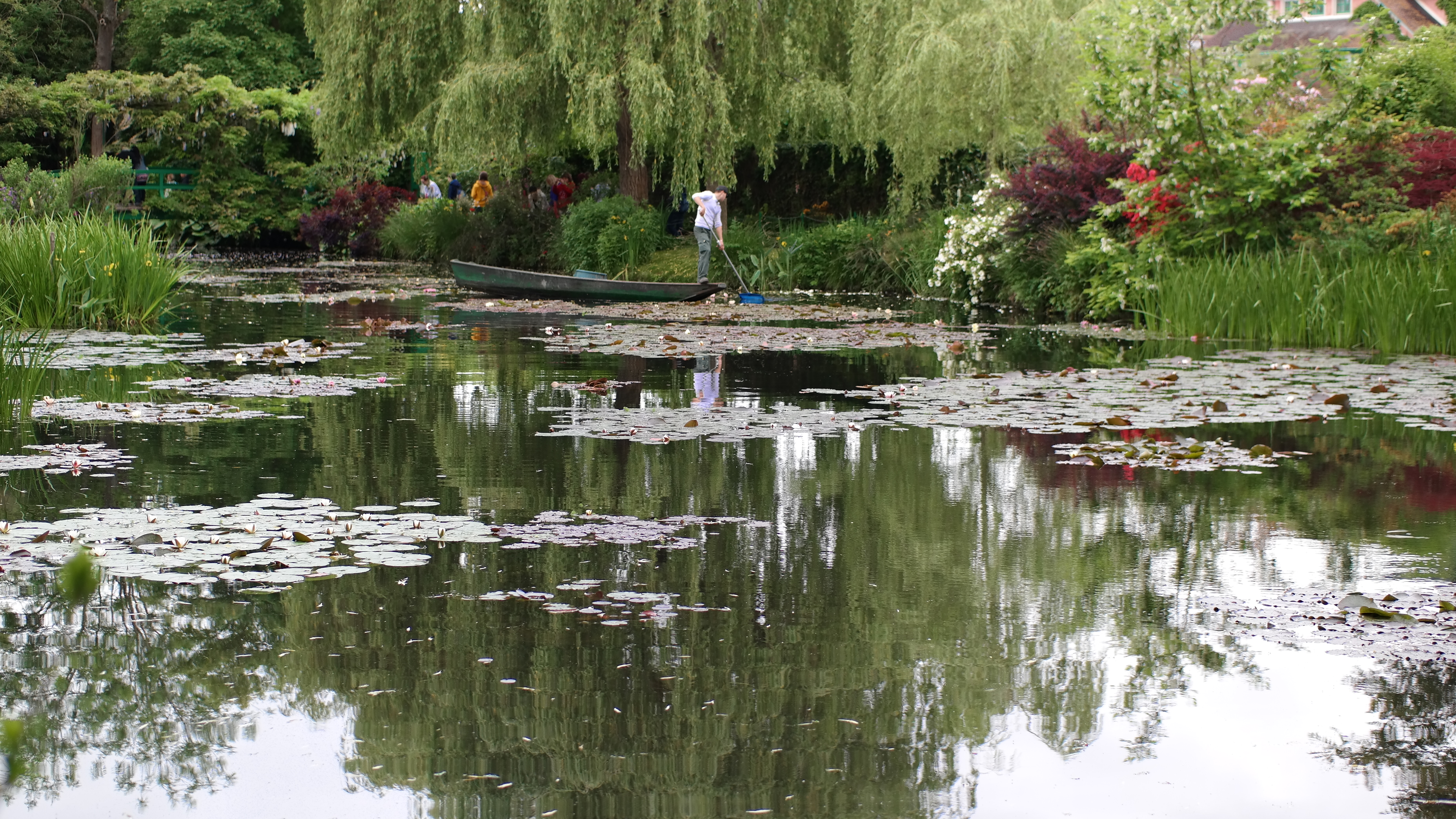
Our trip began with a stop in Giverny and a visit to the home of the great impressionist painter Claude Monet.  The gardens that Monet designed and developed during his forty-three years of living and painting in this tiny hamlet just outside of the town of Vernon are absolutely breath-taking.  As our group strolled the path around the water lily pond made famous by the artist one could hear the buzzing of bees flying from flower to flower and chirping of birds resting in the trees overhead.  Most striking for me (as an art historian) was the interior of Monet’s house, which is filled with his original collection of Japanese Ukiyo-e prints, many of them featuring images of westerners as seen through the eyes of Japanese artists.  Both the prints and the gardens provided an interesting window onto the visual influences of one of the last century’s greatest modern artists.  I was also pleased to see that one of Penn’s most altruistic alums, Walter H. Annenberg, had financed the building of the subterranean passage that takes viewers from one part of the garden to the other.

The Water Lily Pond at Monet’s Giverny.

The Water Lily Pond at Monet’s Giverny.

A view of Monet’s house at Giverny from the gardens.

A view of Monet’s house at Giverny from the gardens.

The plaque marking the subterranean passage sponsored by Wharton alum Walter H. Annenberg.

The plaque marking the subterranean passage sponsored by Wharton alum Walter H. Annenberg.

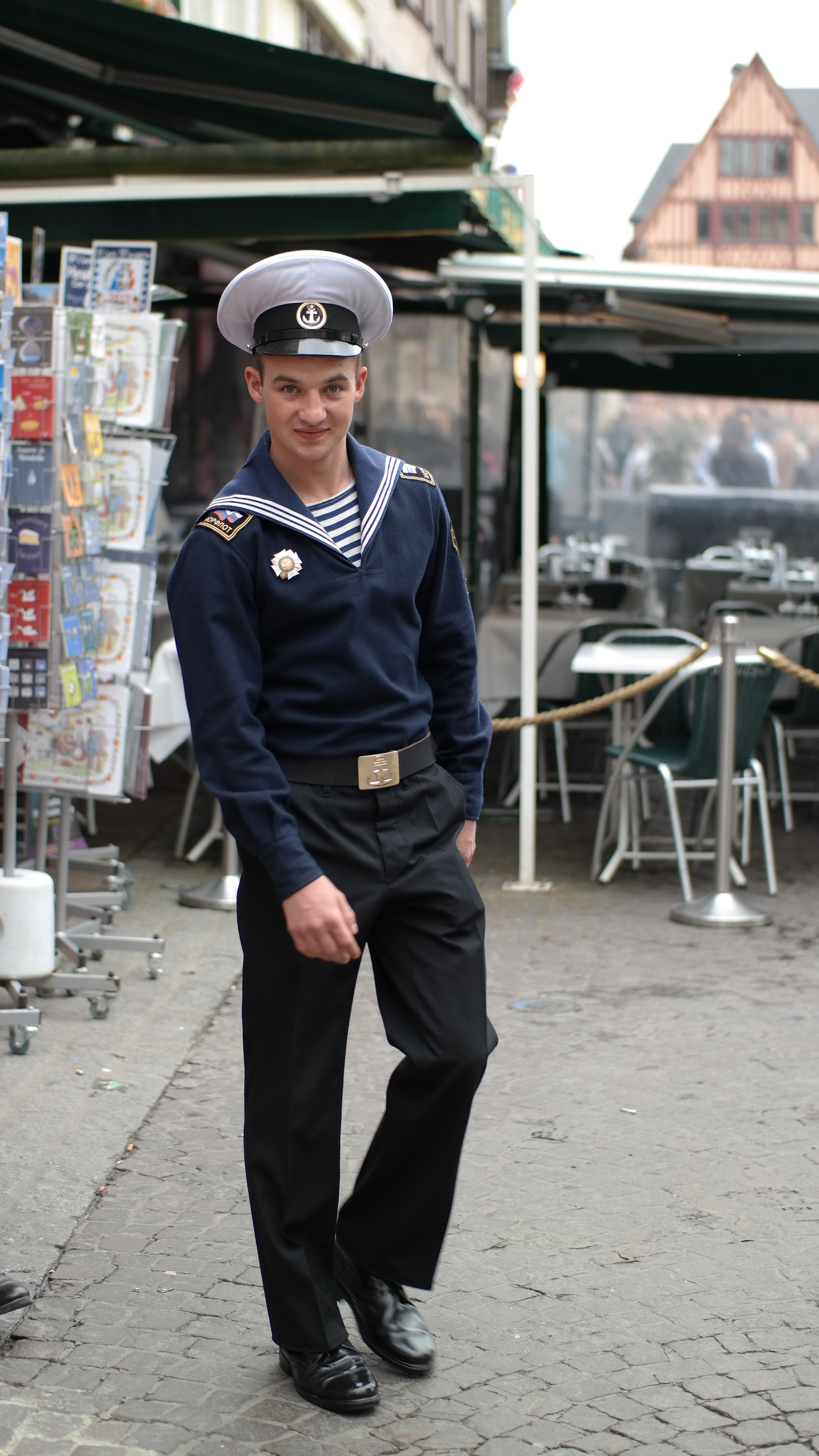
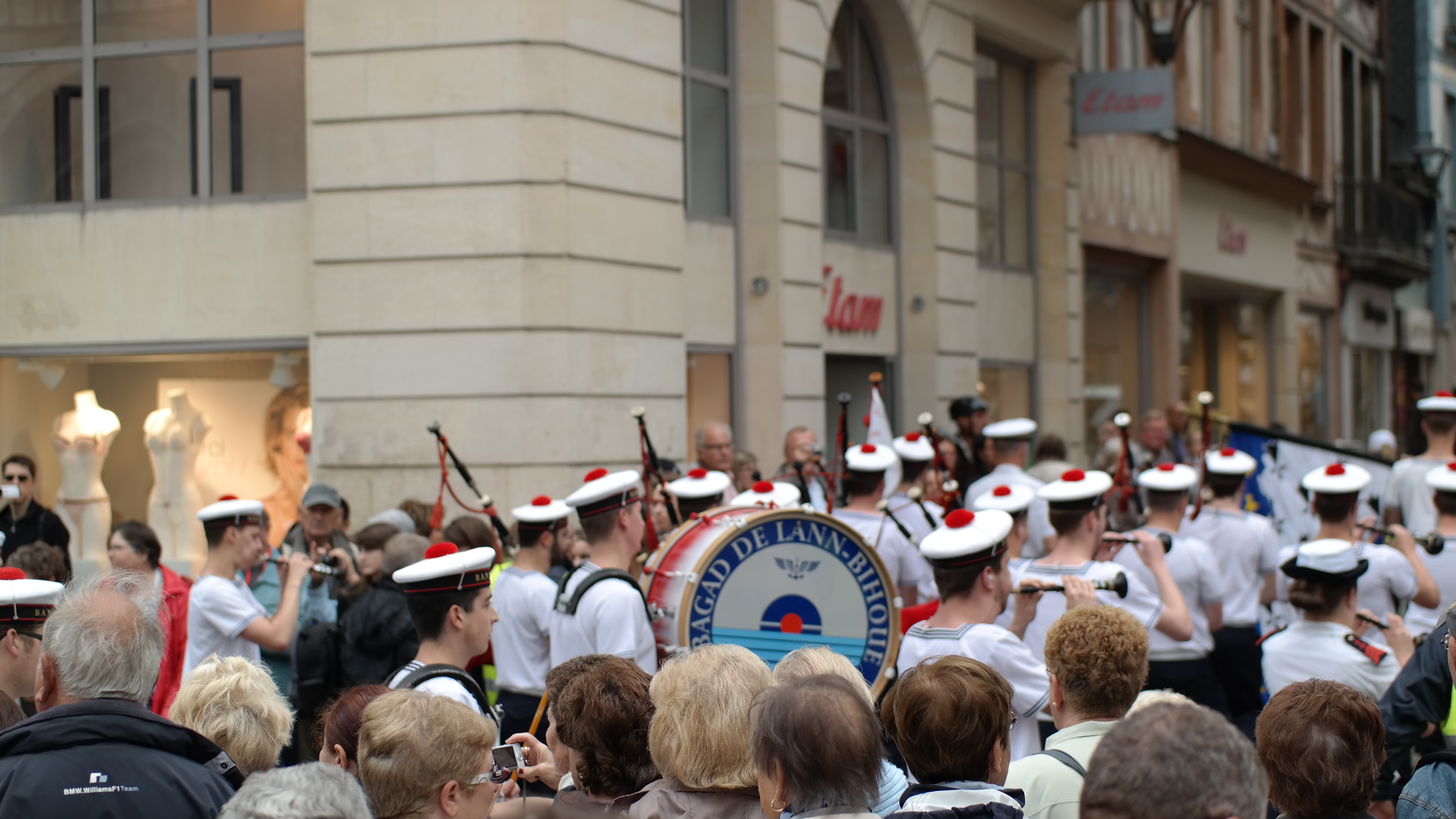
The following day we began a two-night stay in Rouen, the gateway to Normandy proper and a bustling city of about 100,000 people.  During the week of our visit, Rouen was hosting the Armada, a huge nautical festival held there every three years that brings dozens of tall ships to the city’s port area.  It was exciting to see the young sailors, many of them students in the process of learning the disappearing art of sailing such magnificent vessels, walking the streets in their picturesque uniforms.  I was pleasantly surprised one afternoon by a maritime marching band making its way through city.  Its music was infectious and I followed it for several blocks through town, all the way to the Church of St. Joan of Arc, built on the site where the saint was burned at the stake in 1431.

A Russian sailor in the square by the Church of St. Joan of Arc.

A Russian sailor in the square by the Church of St. Joan of Arc.

Le Bagad de Lann Bihoue maritime marching band performing in the streets of Rouen.

Le Bagad de Lann Bihoue maritime marching band performing in the streets of Rouen.

The second day in Rouen the majority of our travelers went to the D-Day landing beaches at Normandy.  Because the Avalon Creativity attracts British and Canadian travelers in almost equal numbers as it does Americans, two itineraries were offered allowing people to choose to visit the beaches that suited their particular interests.  The visit to the landing beaches was incredibly powerful and moving for those who went, and although there were no WWII veterans aboard the Creativity, talk of relatives who served in the war and the childhood impressions of those who were too young to do so filled the dining room that night.

In spring of 2014, to mark the 70th anniversary of  D-Day, Penn Alumni Travel is offering a very special trip, “Celtic Lands,” that will be hosted by former School of Arts and Sciences Dean, Professor of English Rebecca Bushnell, and David Eisenhower, grandson of the great general and American President Dwight D. Eisenhower and a Senior Fellow of the Foreign Policy Research Institute and a Professor and Public Policy Fellow at the Annenberg School of Communication and the School of Arts and Sciences.  If you have been considering visiting the landing beaches in Normandy, this upcoming trip will undoubtedly be a great way to do so!

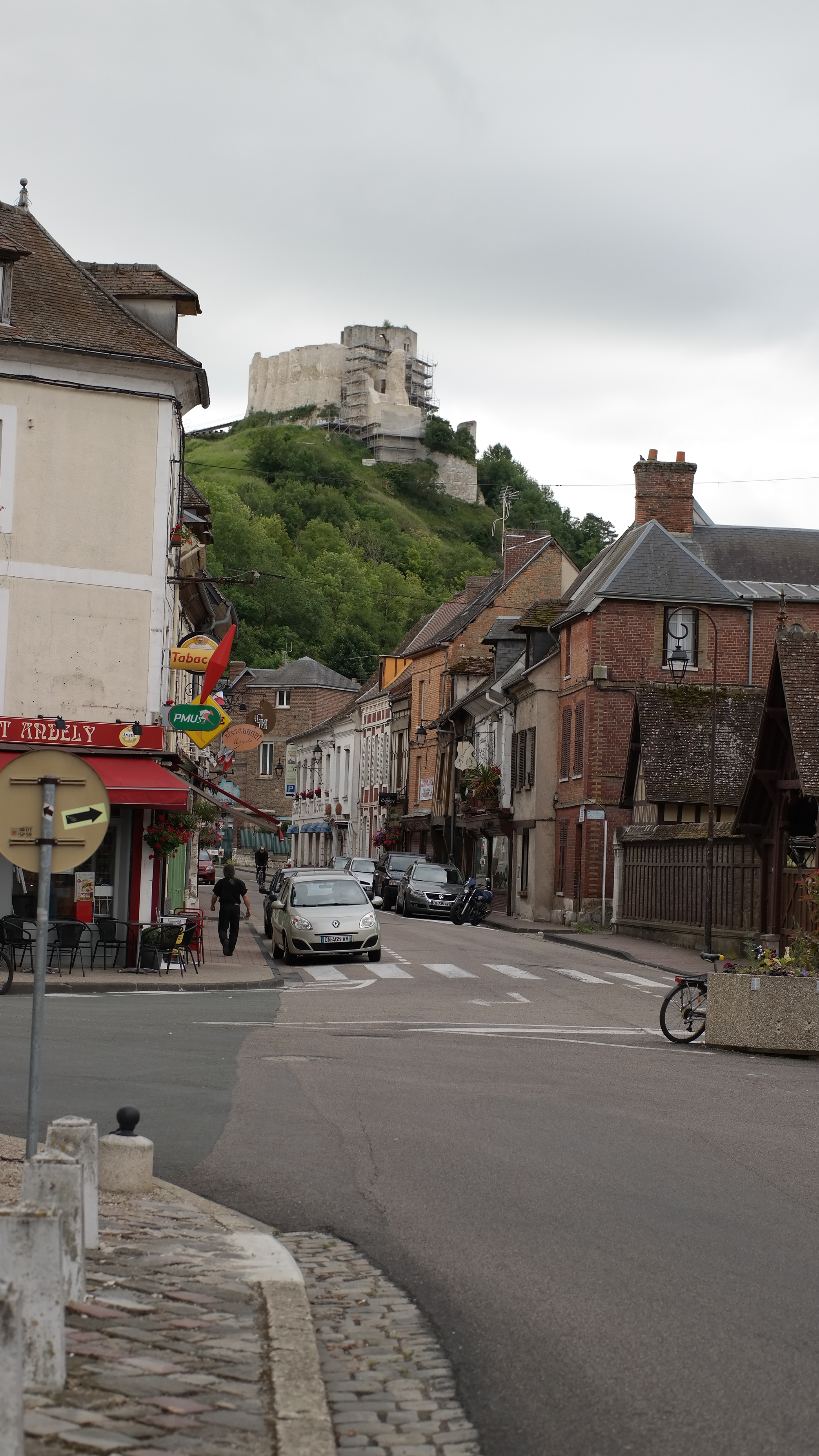
The view of Chateau Gaillard from Petit Andely.

The view of Chateau Gaillard from Petit Andely.

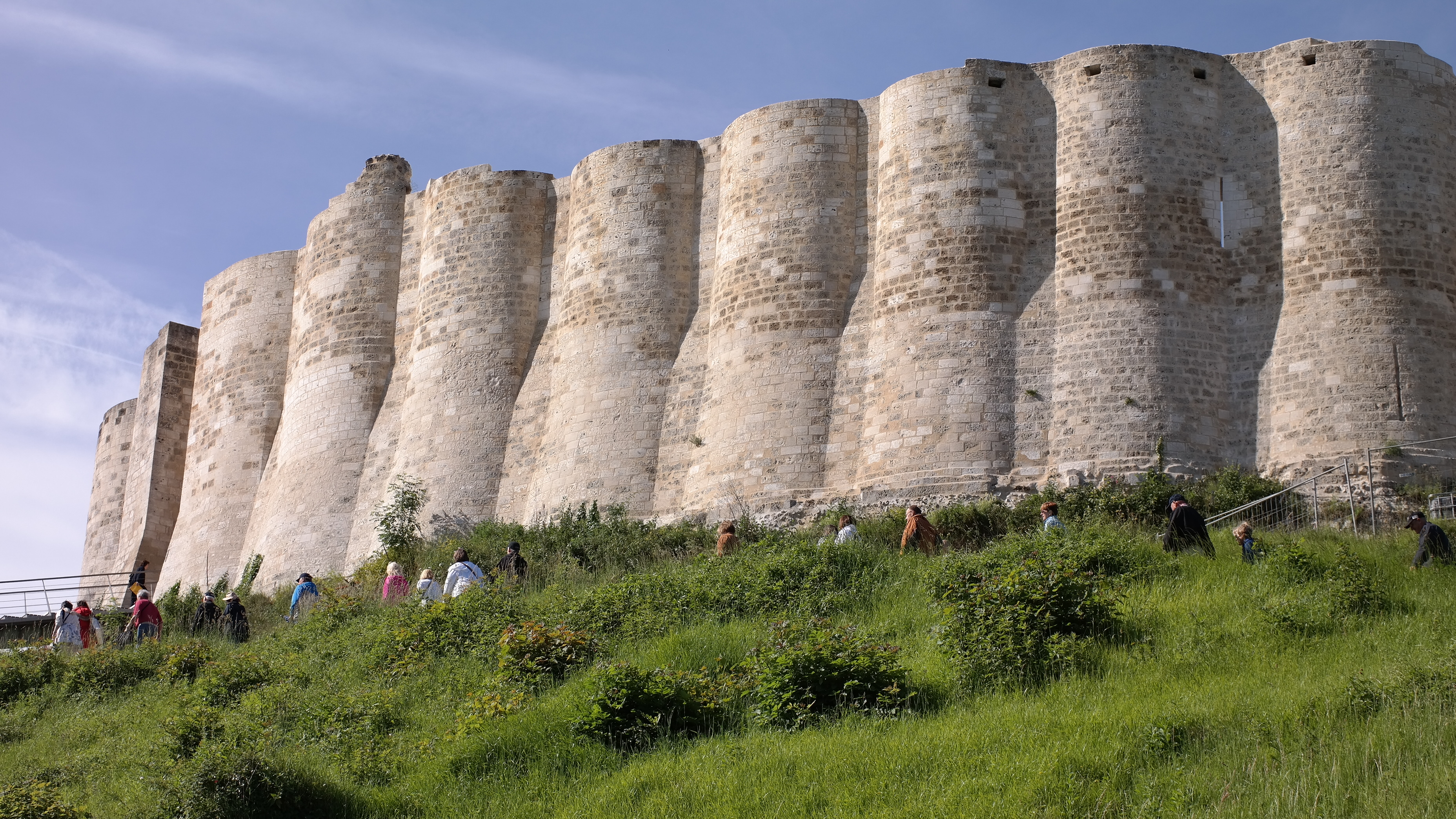
On our way back up the Seine toward Paris, we stopped at Petit Andelys, a quaint village that is dominated by the Chateau Gaillard, a 12th-century keep built by the British King Richard the Lionheart to defend his continental lands.  On our way up the massive hill to the strategically located fortress we passed a delightful medieval garden and listened to the story of how Richard thwarted his enemies with tactical knowledge and architectural devices borrowed from the Islamic lands he encountered during the Crusades.  It was sad to hear how his less adept brother John lost the fort by adding vulnerable windows to the chateau’s chapel that ultimately allowed invaders to enter the otherwise impregnable edifice.

The undulating Moorish façade of Chateau Gaillard.

The undulating Moorish façade of Chateau Gaillard.

The next morning we docked in Conflans, where early risers were treated to a lovely river-front market just a few steps from the gangway.  I especially enjoyed perusing the vegetables, beautiful fishes, and the trussed meats that were offered for sale, lamenting the fact that I had no way to cook or eat any of it!  Not that I was the least bit hungry — the food onboard the ship was both plentiful and tasty.  But it was all so beautiful!  The French really know how to eat!

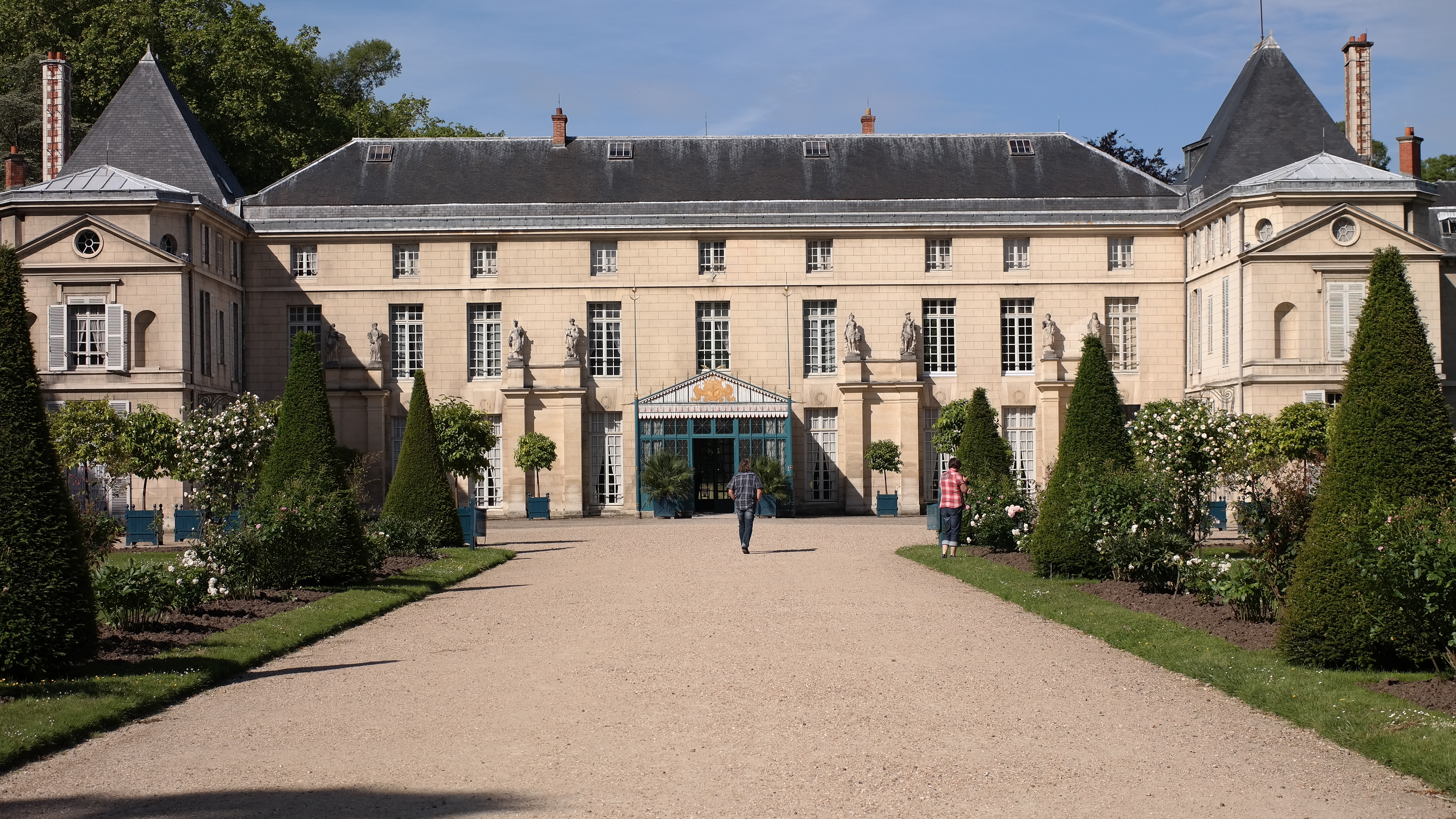
The elegant façade of the Chateau Malmaison, purchased against her husband’s wishes by Josephine Bonaparte.

The elegant façade of the Chateau Malmaison, purchased against her husband’s wishes by Josephine Bonaparte.

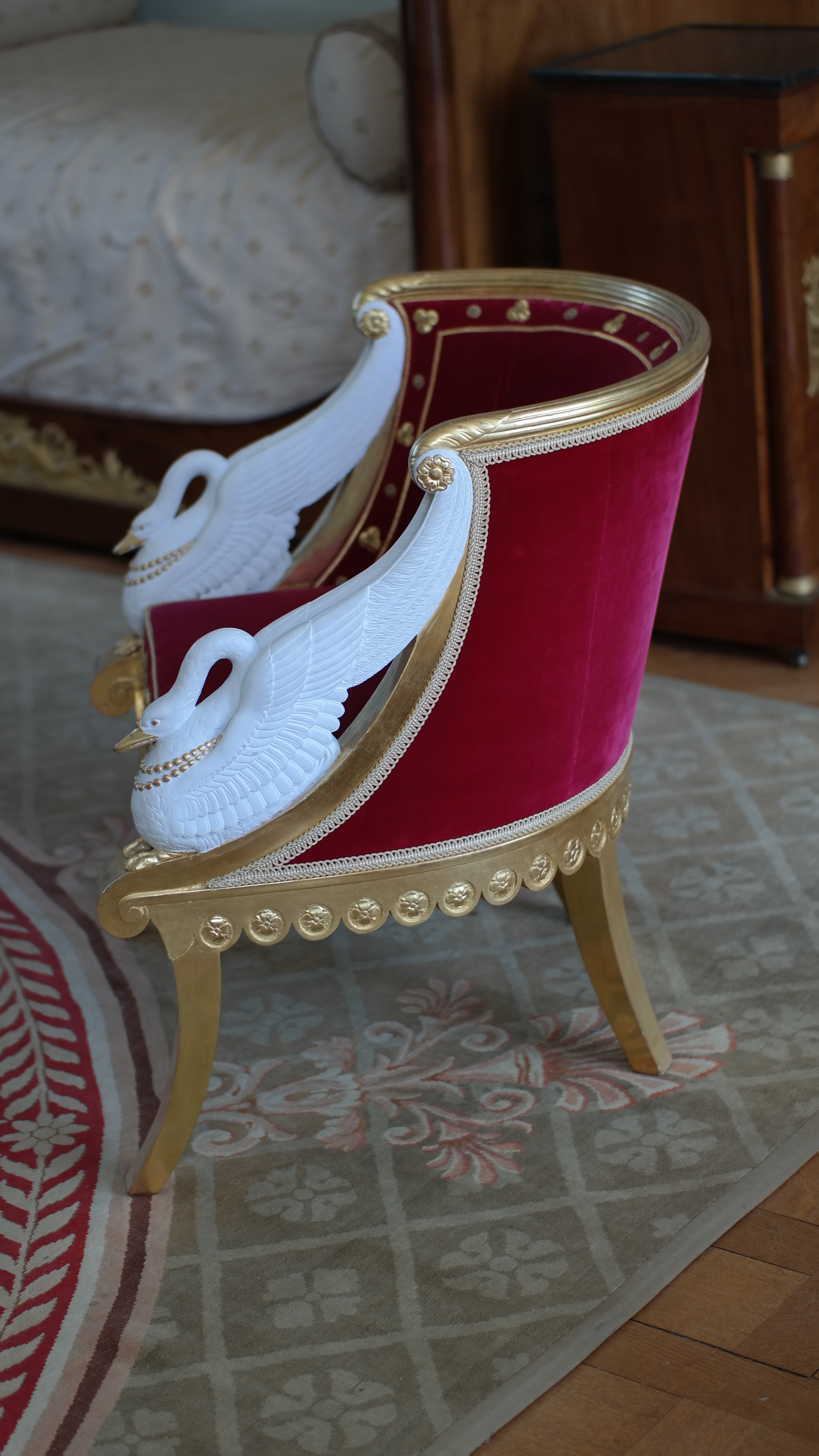
That same morning in Conflans, given the choice between touring Chateau Malmaison, the home of the Empress Josephine, and visiting Auvers-sur-Oise, where the artist Vincent Van Gogh spent his final days, I chose the un-art historian thing and went for the opulence of Josephine’s pleasure palace and its now-slightly-disheveled rose gardens.  The Chateau, acquired by Josephine without her husband Napoleon’s approval (a marital dispute that ultimately caused him to outlaw such unsanctioned spousal purchases in the Napoleonic Code), was gorgeous.  Filled to the rafters with gold-plated-everything and mementos of the (in)famous couple’s life together, it is truly a glimpse into one of the most opulent and tumultuous eras in European history.

SAMSUNG CSC

SAMSUNG CSC

(Gold-plated-everything in Chateau Malmaison, the home of Empress Josephine)

Later that day the ship docked in Paris, where those who had not done any pre-cruise excursions were treated to tours of the Eiffel Tower and the Louvre Museum.  The second night in Paris, and our last night on the trip, the truly adventurous among us went to the Moulin Rouge, where we were treated to dinner and their famous show “Faerie.”  I had seen the show before, back in 2008, but it seemed just as fresh and featured a few new numbers and costumes.  However, nothing beats the part where the almost-naked girl swims with the giant snakes in the glass-walled aquarium that rises up from the floor. (Sorry, no pictures allowed.)  Does it get any better, or more, uh, educational, than that?  Ah, Paris in June!

[Penn Alumni Travel will be heading back to France in 2014 with Director of the Arthur Ross Gallery Lynn Marsden-Atlass. Click here for more information. Or, if you’re interested in traveling with Art History Professor Gwendolyn DuBois Shaw—author of this blog—check out this Spanish coast itinerary. Professor Shaw will be hosting this tour in October 2014.]

1 Comment

Filed under Faculty perspective, Penn Alumni Travel, Travel

Penn Alumni Travel: Cruising the Dalmatian Coast

Author: Professor David Wallace, Penn Department of English

Our Penn Alumni Travel group met up at Venice on Friday June 21st to sail down the Adriatic, along the Dalmatian coast, and to visit the beautiful seaside cities of Croatia, mostly, and Montenegro. Our vessel was L’Austral, a French ship based in Marseilles with French officers—and a French chef, French baker, and French pastry maker. Following the mandatory lifeboat drill, we set sail at 6:30 PM, when the colors of Venice, lit by western light slanting across the lagoon, are at their most beautiful.
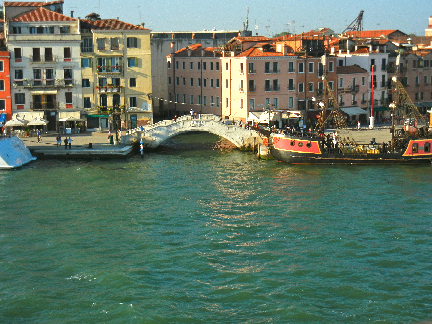
Beautiful Venice.

Beautiful Venice

After dinner, we were able to observe the sun setting magnificently into the ocean behind us, reassuring proof that we were heading due west.

PIC 2

I gave the first of the lectures offered on this cruise, calling it “On Heading East Out of Venice. ” Attendance at this and all other lectures during the week was remarkably high; our highly-educated alums were clearly thirsty for knowledge, and keen to open discussions that carried on all week. One very timely question was: how do the people of Croatia feel about joining the European Union next week? We resolved to try and find out by asking as many questions of our guides, and the people we met, as possible. Another question: What is at stake in the term “Dalmatian coast’?” Italians have long mixed with Slavs in this region, and many of them clearly believed, up to World War II, that “Dalmatia” should properly be seen as part of a greater Italian, once Roman, Empire. I thus talked of the ways in which this coastal strip had long been fought for between rival powers, and that its location midway between the empires of Rome and Constantinople, western Catholic and Eastern Orthodox Christianity, made this inevitable. So, although more recent conflicts involving Croatia, Serbia, and Bosnia continue to grab the headlines, the medieval coastal cities that we were to explore, I suggested, will be marked by signs of more ancient struggles.

The weather during this trip was beautiful; warm but not oppressively so, with a gentle wind and just one thunderstorm late in the week. The water was so calm that you had little sense of motion: indeed, sometimes you needed to look out of the window to realize that the boat was actually in motion.  But the passing landscapes were so beautiful it was always a good idea to check.
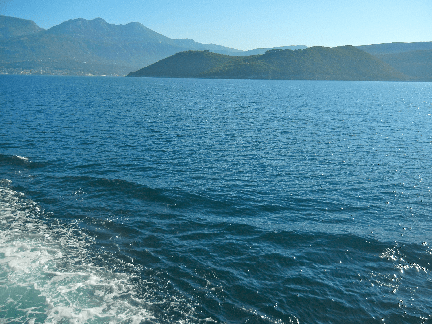
PIC 3

We sometimes docked in harbors and sometimes dropped anchor offshore; small boats or “tenders” moved us easily to the quayside. The coastal colors of the houses were stunning, especially when set against clear blue skies.

Our first port of call was Split, where two of our Penn alums had a most happy rendezvous: Eric and Katherine Gall met up with their son, Dan. Eric, a distinguished physician, works full time (after retirement!) in Tuscon, Arizona. Katherine is Croatian, and their son Dan has settled in Split and married a local girl while working for a Human Rights organization. Dan joined us for the visit to the marvelous Meštrović museum, and the family made plans to meet up after the cruise.
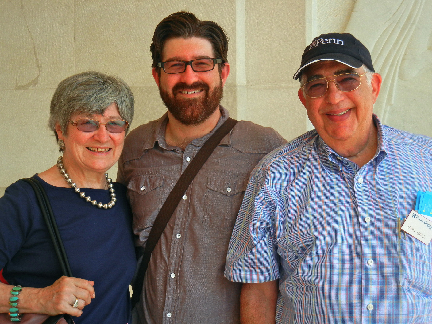
PIC 4

The Galls meet up in Split.

At Split, we explored the remains of the vast palace of the Roman Emperor Diocletian, which faces the harbor. Diocletian spared no expense in building this palace, using the lustrous white stone from the island of Brač, and importing marble from Greece and Italy, and columns and sphinxes from Egypt. Some 3,000 people lived here in some 220 buildings; there were 16 rectangular guard towers. Diocletian was born locally of parents who may have been slaves, and he worked his way up through the Roman military. He ruled as Roman emperor for twenty-one years, but decided to return to his native Dalmatia for his retirement. He was one of the few Emperors of the third and fourth centuries to die of natural causes, and the first in the history of the Empire to retire voluntarily; and he retired to Split.

Diocletian was a notorious persecutor and torturer of Christians: in Serbian mythology he is remembered not as Diocletian but as Dukljan, the adversary of God. Christianity did make progress in Dalmatia, and in c. 347 CE one of the most influential figures in Christian history was born there. This was St Jerome, who was to translate the Bible into Latin in a form, the Vulgate, that was to be standard for Christendom for a thousand years, and for Roman Catholics even longer.  The Roman and Roman Catholic status of Split thus seemed very strongly established as we walked among the ruins of Diocletian’s palace.
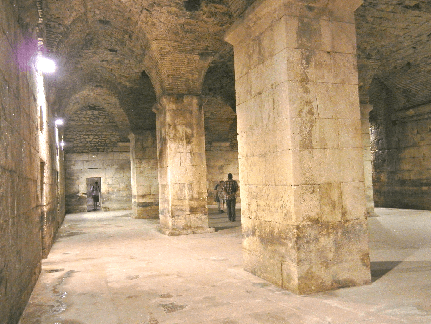
The ruins of Diocletian's palace.

The ruins of Diocletian’s palace.

But Slavic claims to the locality were made firmly evident by a giant modern statue, located strategically right by the Golden Gate of Diocletian’s palace. The toe of this huge statue, we discovered, is well worn, because rubbing it brings good luck.

PIC 6

The figure represented below is Gregor Ninski: he’s holding a book with one hand, and making a defiant gesture with the other. He was a bishop who conducted Catholic church services in the Croatian language, rather than in Latin, following an Assembly in the year 926.

PIC 7

The earlier Croats had accepted the authority of the Byzantine empire, governed from Constantinople, but under Charlemagne, who was crowned Holy Roman Emperor at Rome in 800, they were intensively exposed to Roman Catholic Christianity; there were mass baptisms in the ninth century. Croatia today is still predominantly Roman Catholic (88 %); 4.4% of Croatians are Serbian Orthodox, with 5.2% unaffiliated.

Catholics will know that Roman Catholics had to wait a long time to hear mass celebrated in their own, native languages: until the 1960s, in fact, and Vatican II. So this was a precocious bid by Gregory of Nin to let Croatians have their own liturgical language, and of course, Rome did not approve. Gregor also wanted to weaken ties with Rome, to establish a church governed chiefly by local Croatian bishops, and to make the archbishopric of Split the effective center of religious authority. He celebrated mass in the local language, and also advocated married clergy and opposed the Roman alphabet, preferring the use of Glagolica, the local script (the term comes from the verb glagoliti, which means ‘to speak’).

Glagolitic script is first associated with the saints Cyril and Methodius from the Greek city of Thessaloniki. They were sent south by the Emperor of Byzantium in 862 to make converts to Greek Orthodox Christianity among Slavs. Some of their followers traveled further, into Dalmatian and Croatia—where their script, Glagolitic, was adopted and slightly modified. It was this script that Gregory of Nin wanted to substitute for the usual Latin of the Roman Catholic church. What’s amazing is that eventually this was allowed to happen: not in Gregory’s lifetime, but 300 years later. It was in the year 1248 that Pope Innocent IV gave the Croats of southern Dalmatia the unique privilege of using their own preferred script and liturgical language for the Roman Catholic rite—and eventually, this privilege spread right along the coast. Some of the Glagolitic missals or liturgical books were even produced in Rome. This is something that the papacy really did not allow anywhere else before Vatican II, in the 1960s. This is why Gregory of Nin is revered as a pro-typical nationalist leader of the Croatian people.

I think, then, that the placing of that statue of Gregory of Nin by the Golden Gate of Diocletian’s palace, at Split, was a piece of genius. It says, yes, the heritage of Rome forms a vital part of our identity, and we are pleased to acknowledge our local Roman emperor, who grew up right here. But we are also Catholic Slavs who won the right, long before any other nation in Roman Catholic Europe, to worship on our own terms, in our own language: we have written our own history in our own language in a script that we invented.

We had thus seen and learned a great deal on our first full day. We were very happy to gather as a group of Penn alums for cocktails in the beautiful evening light, after visiting Kotar, and then to have dinner together.
Dalmatian Coast 1

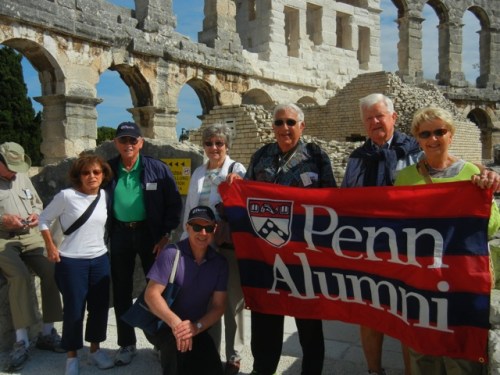
Penn Alumni with faculty host Professor David Wallace.

Our explorations  at Split helped us make sense of everything seen later in the cruise. The further south we sailed, we realized, the more Mediterranean and easy-going things felt, and the more observantly religious. Locals along the way told us that, yes, they might well cheer for the Croatian football team (which had recently beaten Serbia), but that life along the Dalmatian coast was very different from that in Zagreb, the capital. And since these coastal towns are back by very high, almost impenetrable mountains their life really did unfold along the coast. Thus to visit these beautiful small cities by boat was really the only way to travel, the only way to make sense of them, to experience them as people had for thousands of years.

The southernmost point of our voyage brought us to Kotor, Montenegro, a beautiful and ancient city in a proudly independent land. The cathedral of St. Tryphon is a beautiful Romanesque space, with gold-winged angels.
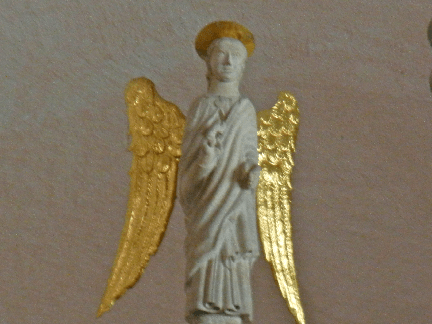
PIC 8

Gold-winged angel in the cathedral of St. Tryphon.

Steps lead from the edge of the city upwards to a fortress, from which the flag of Montenegro proudly flies.

PIC 9

It was possible to look down from this great height and spot our boat in the bay, tiny in the distance.
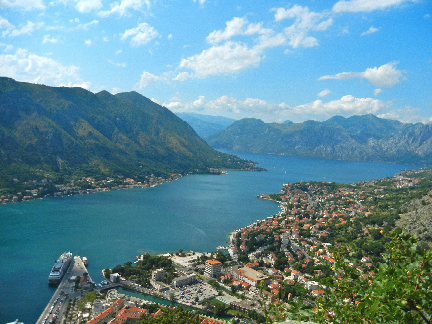
PIC 10

View of Kotor, Montenegro.

We arrived at Dubrovnik, for many centuries known as Ragusa, late on the same evening: it was possible to go ashore and explore the city by night. I went ashore with Penn alum (and west Philadelphia native) Bob Tollen, and his wife, Bryn Mawr alumna, Ellen. The polished marble of the streets was illuminated by the streetlights, giving the romantic effect of water. We made the formal tour the following day.
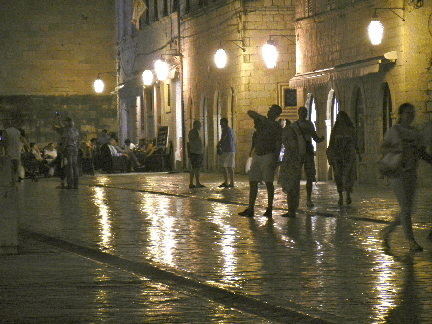
PIC 11

At some of our stops the locals told us of rather panicked preparations for EU membership: such as the cutting down of woodland and the planting of vines, before the EU forbade or put a quota on wine production. On the journey back west, between coastal towns, there was a remarkably informative “village meeting,” in which three locals spoke of recent history and speculated on the future. It was noticeable that the older two speakers were nervous about joining the EU, but the youngest of them, a teacher, seemed more optimistic; and his pupils, too, he said, were more excited than alarmed. Croatians are clearly worried about losing measures of protection for their traditional industries, such as shipbuilding. But the clearest demonstration of entrepreneurial spirit was shown by young girls at Rovinj, our last port of call, who were selling spectacular sea shells they had collected themselves; they must have been about eight years old.

All the Penn alums showed great loyalty in coming to my last lecture—given at 9:15 PM, after the captain’s farewell banquet. I tried to help us imagine what it might mean to approach Venice as travelers from the past, hoping for the right wind, knowing that if we made it back we would achieve great prestige in our communities: for not all travelers who headed east from Venice were expected to return, and those who intended to sail had to settle their affairs before leaving home. I proposed the music used by  Viscont in his film of Thomas Mann’s Death in Venice as appropriate for heralding our arrival: the adagio from Mahler’s fifth symphony.  And I ended with a collective pop quiz on everything learned over the last week, in lectures and from local guides.  I threatened to have the captain turn the boat around should the alums flunk this test, but they passed with flying colors.  The weather finally turned cloudy and cooler, but we arrived safely and our marvelous journey along the Dalmatian coast was at an end. When stories about Croatia began appearing the following week, as it joined the European Union on July 1st, we all felt able to empathize with its hopes and fears. And we know that, whatever the future holds, they are blessed with coastal towns of ancient pedigree and stunning beauty: even washing on a clothes line looks poetic:

PIC 12

[Penn Alumni Travel will be heading back to the Dalmatian Coast and the Adriatic Sea next year. Click here for more information about our Adriatic Antiquities cruise (June 26-July 9, 2014) with Classics Professor Ralph Rosen. Professor David Wallace will also be joining us next year as a faculty host on the tour, In the Wake of the Vikings (June 13-21, 2014).]

1 Comment

Filed under Faculty perspective, Penn Alumni Travel, Travel, Uncategorized

Penn Alumni Travel: Italian Inspirations

Author: Professor Michael Gamer, Penn Department of English

All roads may lead to Rome, but ours this spring instead took that ancient city as our starting point — perhaps because the Penn Alumni Travel Italian Inspirations tour went not by land but by sea. After an overnight stay amidst Romans celebrating independence day (the Festa della Liberazione), we took the train to Civitavecchia and boarded the Riviera, operated by Oceania cruise lines. This was no Carnival Cruise. The Riviera was medium-sized and elegant, its passengers primarily alumni groups like our own.

photo 4

Of the twenty-two schools represented on the cruise, only Penn and UCLA sent host professors, which made our groups (at times) objects of envy — at least so my co-travelers were kind enough to tell me ;-). Joking aside, I will say that, as a lecturer, I have never spoken to such large groups before. The ship’s main auditorium seated six to seven hundred people, and while speaking about the Grand Tour and its history I found fewer empty seats than I anticipated.

Indeed, in our way we were doing our own Grand Tour. Although at a much faster pace (seven days instead of seven or even seventeen months) and taking a somewhat different route from those taken by travelers 200-400 years ago. Rather than beginning in Milan and heading south before circling back to Venice, our tour engaged in something closer to Lord Byron’s travels of 1809-10, when all of Europe was either at war or under the dominion of Napoleon Bonaparte. Byron, therefore, was forced to do most of his traveling by sea, hopping around the Mediterranean from port to port, gathering antiquities and swimming whenever possible. He was engaging in a time-honored tradition by doing so; since the ancient Phoenicians, the Mediterranean has been southern Europe’s freeway, traveling by sea always an easier proposition than traveling by land.

In our case, we headed from Rome south to Sorrento, where some of us saw Mount Vesuvius and others Pompeii before sampling the local limoncello and watching the sun set over Capri. By the time we awakened the next morning, we were nearing Taormina on the island of Sicily, home of that other great Italian volcano, Mount Etna, pictured here in the background of Taormina’s beautiful amphitheater:

photo 5

Some of you reading this post will have traveled by cruise ship before. I had not — and there is something magical about waking up to find yourself in a new place. In our case, days three and four found us arrived at the islands of Zakynthos and Corfu, respectively, followed in the course of the week by the stunning cities of Dubrovnik and Venice, where we disembarked for good. Though I have traveled many times in Italy, these Greek and Croatian stops were entirely new to me, and a real pleasure. They possess a color palate unlike Italy, something at once stripped down and sparkling. There is something at once stark and beautiful about the coastline and buildings, the contrast of blue water next to white cliffs and houses.

Zakynthos 1

Zakynthos 2

Of course, nothing quite ever can prepare you for Venice, whether you’ve been there a hundred times or never. After six days of superb touring, that final day we all scattered to wander this wonderful city on our own. Some of us to San Marco; others to the Accademia, the Guggenheim, and other museums; and still others just wandering the narrow calle, trying to get lost. And, so far as I know, none of us quite felt moved enough to copy Byron’s exploit of swimming through the canals.

Venice

I will confess, though, that for me all roads did end up leading back to Rome: after saying goodbye to my fellow Penn Alumni Travelers I spent a few days there, soaking up the sun, revisiting old sites and taking in new ones. I can hardly wait to return in October 2014 — this time touring overland with the Flavors of Tuscany tour in October 2014. Hope to see you there!

1 Comment

Filed under Faculty perspective, Penn Alumni Travel, Travel

Penn Alumni Travel: Southwest National Parks

Author: Howard S. Freedlander, C‘67

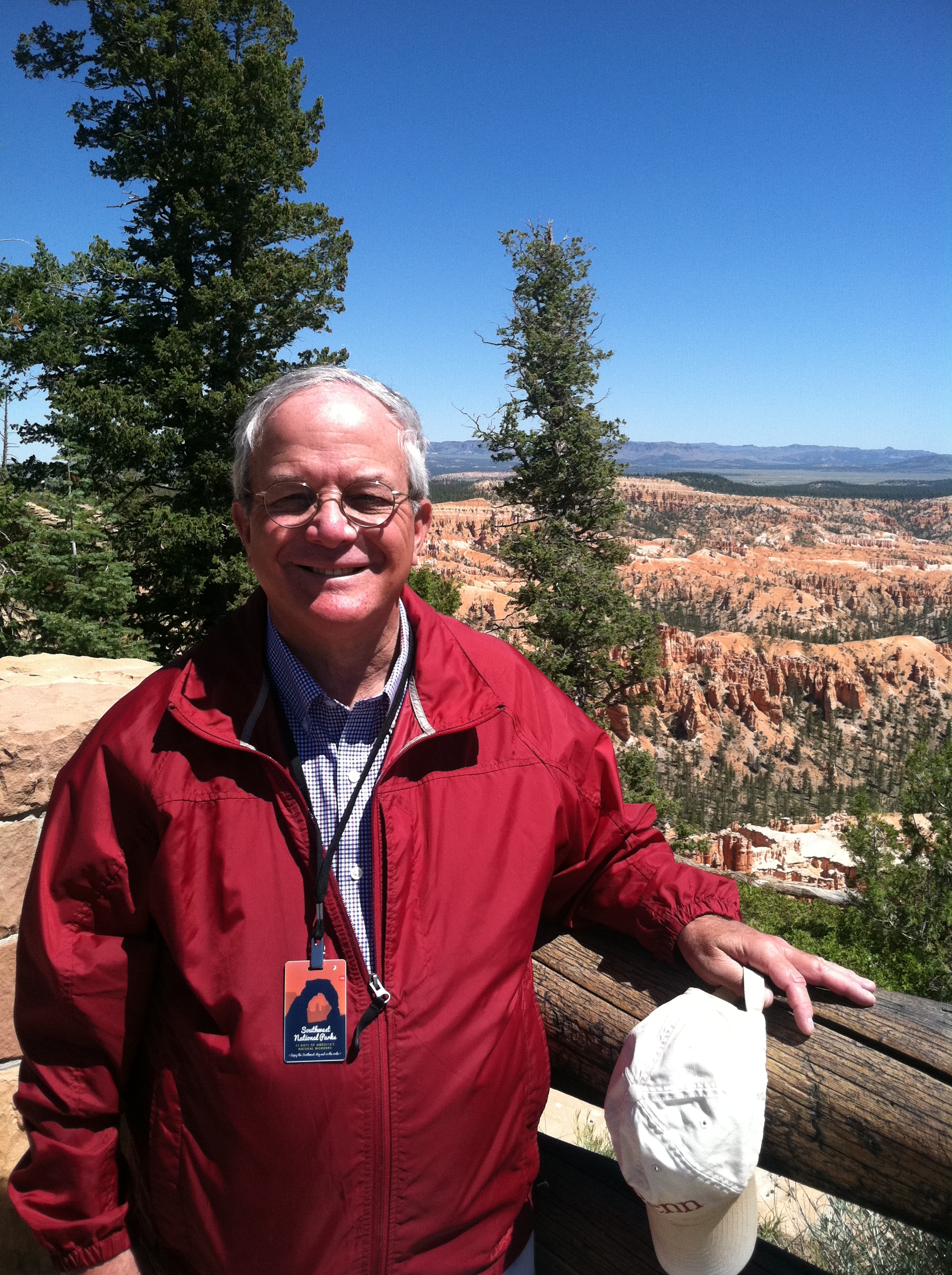
A first-time trip to the Southwest National Parks with Penn Alumni Travel scored an A+ for my wife Liz and me. We came away, like so many others, simply awed by the natural wonders that daily greeted us and our group of 24 fellow travelers.

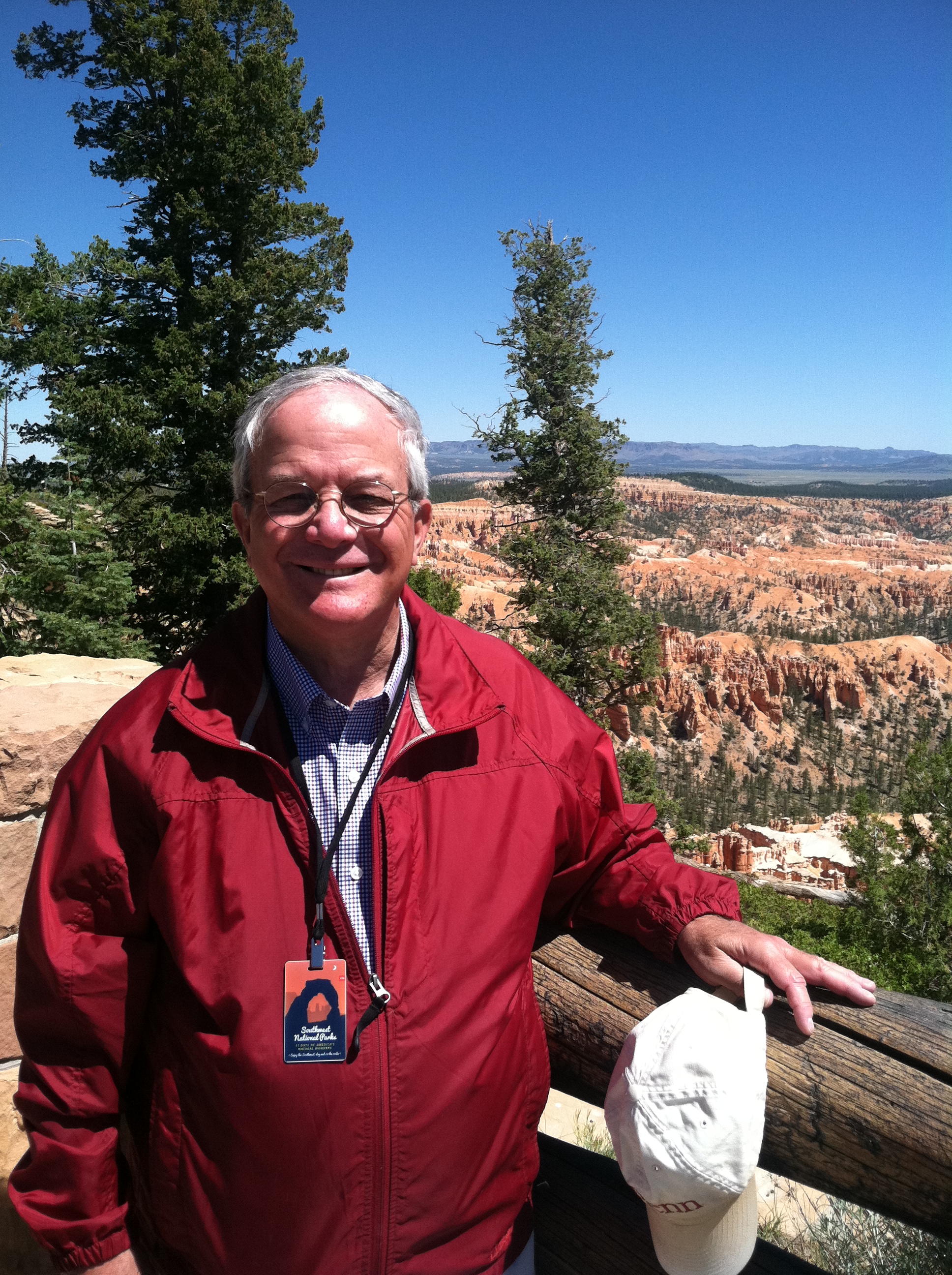
Portrait of the Author on his tour of the Southwest National Parks

Portrait of the Author on his tour of the Southwest National Parks

The sights and vantage points were overpowering at times—beginning with the incredible Grand Canyon and ending with the scenic, people-friendly Zion National Park. Liz and I discovered quickly that nothing we saw and experienced had any reference point to anything we knew on the East Coast. Certainly not the flat, waterway-dominated Eastern Shore of Maryland, where we live.

Never having gone on an organized tour, we were very impressed with Orbridge, the Seattle-based tour operator mainly serving alumni groups. I was amused when Derek Lundgren, the tour director, deliberately commented about Penn versus Penn State—and the wide difference between the two, as quickly asserted by me; he got the reaction he wanted. He was superb in communicating clearly and often with our group as we traveled from one site to another on a comfortable bus (or “coach” in tour talk).

My impressions, dutifully chronicled daily, provided a focus for me as I observed our nation’s truly incredible national parks, formed and re-reformed over millions of years. Suffice it to say that the force of nature left an indelible mark, enabling me to understand the need to preserve these natural wonders as best as humans can. Credit must go to Orbridge’s Amy Sheppard, assistant tour director, a constant source of geological, flora and fauna information during our nine days in the parks.

We started our adventure from Las Vegas, NV. Apart from the logistical necessity of using Las Vegas as a starting and end point, I think the artificial, hedonistic quality of this gambling mecca provided a start contrast to the solid realness of the Grand Canyon. See the awful before the awesome? Maybe. Standing at Lake Powell Point at sunset, we could marvel at the mélange of colors on the rock formations. If you let your imagination go wild, you could see natural mansions, chimneys and sculptures.

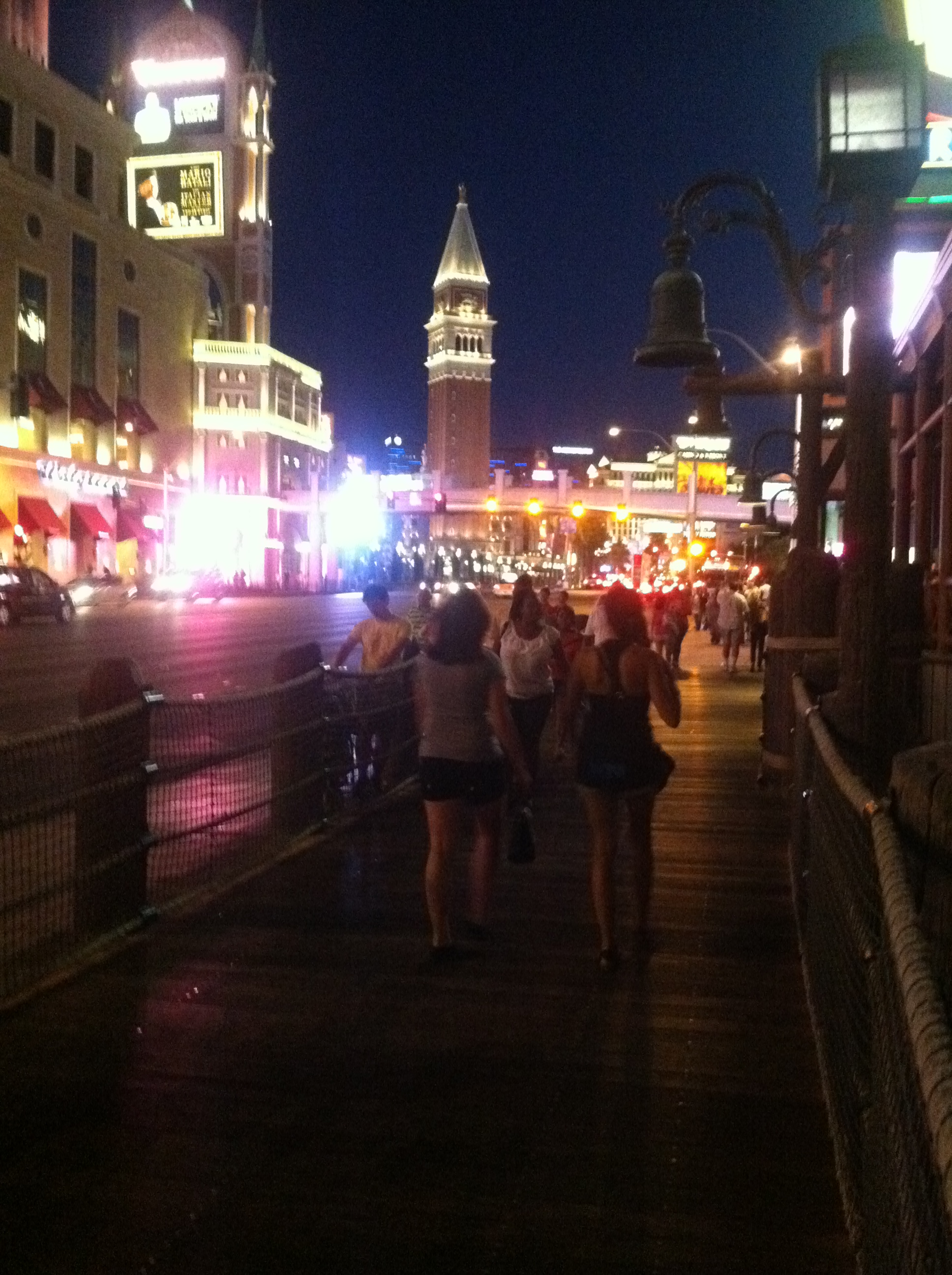
The Las Vegas Strip

The Las Vegas Strip

One of my favorite activities was rafting down the calm, soothing Colorado River, embarking from the Glen Canyon Dam. It seemed unreal to view the red-tinted sandstone walls, ranging in height from 700 to 1,400 feet, wondering about slowly tumbling rock. Construction of the dam in the 1960s was controversial then and still is; while interrupting the normal flow of the Colorado River, it also provides absolutely essential water to Phoenix, AZ and San Diego, CA. The tension between human needs and environmental purity is ever-present, in the West and the East.

The Grand Canyon

The Grand Canyon

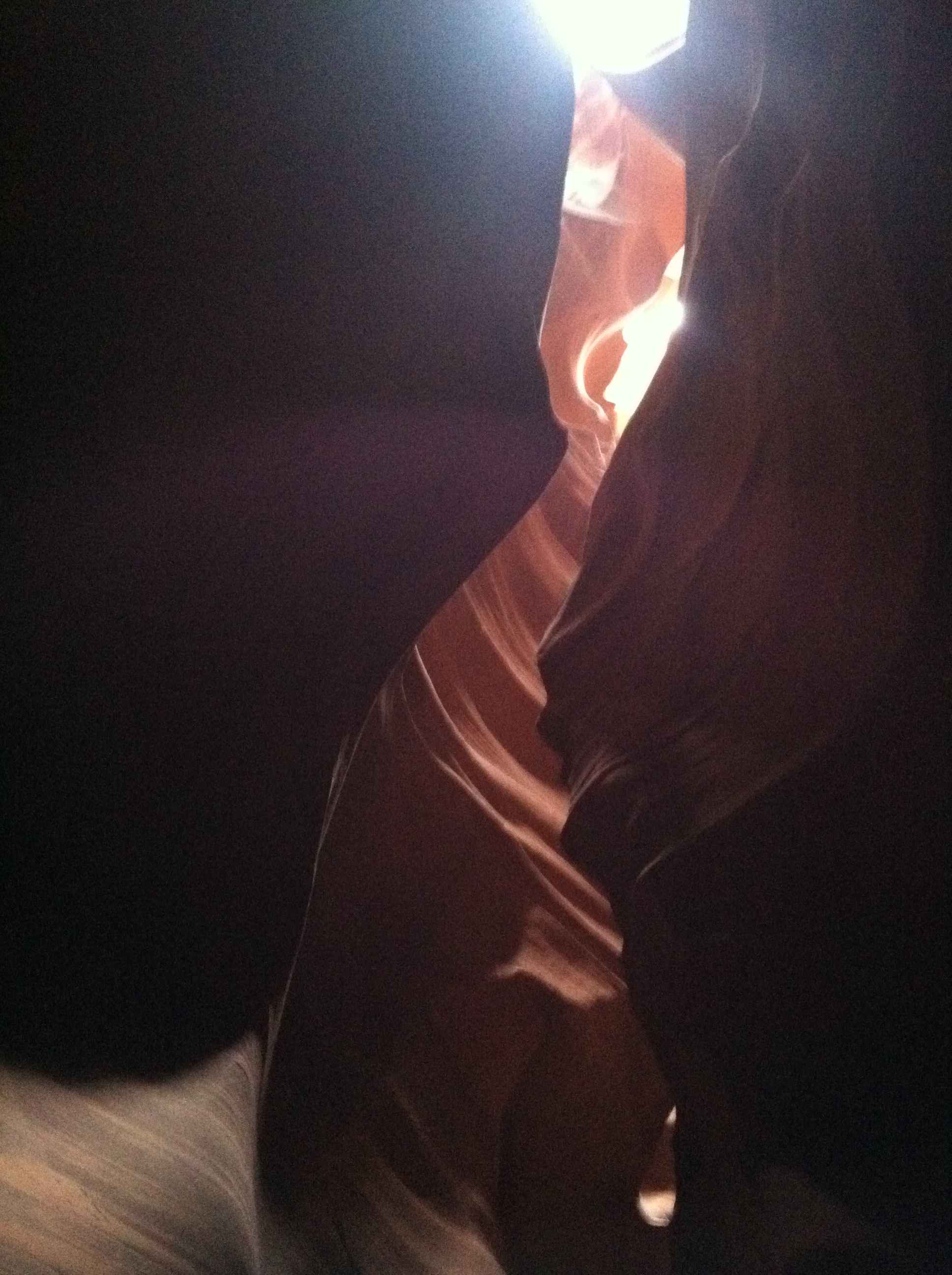
Time spent on the Navajo Reservation, visiting the striking Antelope Canyon Slot, the Navajo National Monument and Monument Valley (scene of several John Ford-produced movies featuring the iconic John Wayne), left me wanting to know more about the Navajo culture. Talks by two Navajo Native Americans, a woman and man, prompted me to think about the third-world nature of the living conditions of the reservation. We learned about the tension between the young and the old, the former seeking more economic development on the reservation and the latter determined to preserve the native culture.

Antelope Slot Canyon

Antelope Slot Canyon

In visiting Arches National Park in Utah, I became more aware of the changing environmental terrain as we continued on our Canyonlands tour. Viewing the arches, I realized that years of erosion may demolish the arches we saw, while creating others. I also was struck by the impact of tourism on this part of the United States—I counted three, maybe four tour buses. Yes, we too were “bus” people.

As we learned repeatedly, the Colorado River has played a major role in the area’s geological history, slicing through an uplifted plateau and changing the landscape over millions of years through its power and the sediment it carries. The influence of the Colorado River and its ecological balance, affected by dams, cannot be overstated. Like the Chesapeake Bay in our part of the country, it seems to be the throbbing heartbeat of the West.

My favorite resting place was the Red Cliffs Lodge in Moab, UT. It was just so comfortable and welcoming, offering wonderful views of the cliffs and river.

Our last two stops on our intensive tour were Bryce National Park and Zion National Park. Derek said he saved the best for the last. Perhaps he was right. The fractured cliffs at Bryce were magnificent, offering incomparable views and vantage points for us shutterbugs. The canyon, actually an amphitheater, was wondrous in its carved formations, reminiscent of China’s terra-cotta soldiers.

Bryce National Park

Bryce National Park

Nothing we had seen so far prepared us for Zion National Park, not because of its beauty and grandeur but instead because of its accessibility and people-friendly nature. You had to adjust your expectations and appreciate the slowly moving Virgin River, the wet cliffs and its hanging gardens and the serene walkway along the river. There were no “oohs and ahs” in Zion—simply an opportunity to sample and touch a national park.

Did I say anything about the weather? It was wonderful. And when it was hot, it was not excessively so.

Did I say anything about the group members? They were fun and funny, intelligent and inquisitive. And these well-traveled members seemed to have a similar motivation: after seeing the world, it was time to see a fascinating part of the United States.

Also—I can’t help myself—I discovered two Penn alumni, Marjorie Kitchell, class of 1964, and Dr. Art Brown, class of 1966. Marjorie joined the tour as a Case Western Law School alumna, while Art joined it through Temple, which his wife Debby attended. Another tour member, Dr. Ed Miller, did his internship and residency at the Penn Medical Center. And Liz and Robert Barone were the proud parents of a Penn 1998 graduate.

At our farewell dinner in Las Vegas, Marjorie Kitchell spoke eloquently about democracy and the openness of state and federal parks to all people, regardless of their economic status. She talked not only about the American but foreign visitors as well to the parks which we visited, able to enjoy the vistas and grandeur of the Southwest National Parks.

Marjorie’s message was compelling.

[Penn Alumni Travel will be visiting northern National Parks in 2014–Yellowstone, the Grand Tetons, and Mount Rushmore, among others. To view information about this tour or any of our 2014 destinations, click here. All photos in this blog were taken by Howard Freedlander.]
Leave a comment

Filed under Alumni Perspective, Guest blogger, Penn Alumni Travel, Travel

Penn Alumni Travel: The Waterways of Holland & Belgium

Author: Professor Simon Richter (Department of Germanic Languages and Literatures)

Seven days below sea level—and we hardly got wet! Fifteen Penn alumni and friends joined me on the M.S. AmaLyra for a river-based tour of the major waterways and a sprinkling of medieval and Golden Age cities and towns of the Netherlands and Belgium. With the exception of a very wet day in Antwerp, the weather gods were unusually kind to us, but not perhaps without exacting a price. What that price was, I’ll reveal at the end of this blog. If you were with me on the tour, you know what I’m talking about.

Penn Alumni at the Keukenhof Gardens

Penn Alumni at the Keukenhof Gardens

One of the points that the tour through the Low Countries drives home is that culture and geography are inextricably linked. So much of the Dutch mentality is based on centuries long experience with the threat of water inundation, the boon of maritime trade, the engineering successes that claimed arable and habitable land from the sea, and the memory of fatal flooding. From a promontory (if you can call it that!) in the city of Nijmegen, we saw where the Waal River, a tributary of the Rhine, has a dangerous crook in it, which invariably leads to flooding in the old part of the city when the river is high. Our guide told us about the Dutch “Room for the River” project, which restores flood plains and creates additional channels in order to ease the annual and increasing threat of high waters. In Zeeland on the artificial island of Neeltje Jans, we saw that impressive monument of engineering, the Eastern Scheldt Storm Surge Barrier, part of the Delta Works. The amazing thing about this barrier is that it only closes in the event of high water associated with a major storm. The fishing industry and the ecology of the delta were not destroyed. In Kinderdijk we went inside a still functioning windmill, one of many arrayed along the dike that enclosed the Alblasserwaard and worked constantly in order to keep the polder dry. In Amsterdam and in Bruges we got onto boats specially designed for tours of the canal networks. In Antwerp we moored right by the old city and in Arnhem we could see “the bridge too far,” where Allied troops died in an attempt to penetrate beyond the Rhine. Water, water everywhere!

IMG_6162

Our Gohagan tour manager was Wim, a tall (who isn’t tall in the Netherlands?!), well read and sardonic individual. He had a knack of interweaving deep cultural and historical insight with quirky confessional accounts about his own occasional bad behavior. In Nijmegen he took a group of Wisconsin alums into a coffee shop to chat with the proprietor and discuss the product! Wim was laidback and very competent—a rare and pleasant combination. As we were shuttled on a bus through a riparian landscape he explained the Dutch culture of tolerance through an allegory of the dikes. There are always two dikes along a river, the summer dike and the winter dike. If the water is behaving it stays within the confines of the summer dike. If it gets unruly it may flow over the summer dike but be held in check by the winter dike. If the range between the summer dikes is lawful behavior, then flowing over into the space between the winter and summer dikes is a matter of tolerance—for recreational drug use, for prostitution, for euthanasia. Not legal, but tolerated up to a point. Cross the winter dike and you have a catastrophe on your hands. Break the law past the limit of what is tolerated and you go to prison.

The Delta Water Works in the Netherlands

The Delta Water Works in the Netherlands

For my part, I was captivated by the raging debate in Dutch society about the song that had been commissioned for the inauguration of the new Dutch king, William Alexander. The Dutch said that the song had been “poldered.” What they meant was this: the Dutch take pride in their level society, where ostentatious wealth and stratified social difference are avoided at all cost. Society is like a polder. People have to work together, without regard for difference, like the pumps and the Delta Works system that keep so much of the Netherlands dry. An unfortunate side effect, however, is that this sometimes means playing to the lowest denominator or being inclusive—of styles of music, means of expression, types of voice and demographic variety—at the cost of aesthetic value. A vocal minority abhorred the song. It sounded like a bad Walt Disney anthem. But William Alexander took the controversy in stride. Like his mother Queen Beatrix before him, he too will be driven around not in a Rolls, a Bentley or a Daimler-Benz. He’ll be satisfied with his Ford.

Is water all we saw? Of course not. I have strong memories of the newly opened Rijksmuseum and the brilliant Dutch master paintings we saw there. The next day we were in the Kröller-Müller Museum, a little known, out of the way gem, with an amazing and large Van Gogh collection. One of the highlights for me was the day we spent in Bruges, an intact medieval city (with more than a thousand buildings constructed during the middle ages). Astonishing cityscapes everyway we looked, celebrity chocolate with funky flavors (fried onion, wasabi, cannabis!), and a lovely luncheon with five of the wonderful Penn alums. The Belgian stew made with the local beer warmed us because, yes, it was cold!

Picturesque Bruges

Picturesque Bruges

And this is where the weather gods come into the picture again. Many of my fellow travelers told me the major reason for joining the tour was to see the tulips in Keukenhof. Normally they would be at their peak. But it had been a cold spring and the flowering bulbs were off by about four weeks. We did see massive beds of lilacs and daffodils and other early bloomers and there were—some consolation—many blooming tulips in the pavilions. I could sense the disappointment, but I have to say that we bore it with equanimity. Back in Amsterdam that afternoon, a number of us joined a group of younger alumni now residing in the Netherlands, members of the Dutch Penn Club, on a rooftop lounge overlooking the city, the harbor and our boat. It was the night before the inauguration and the city was awash in orange, the color of the royal house.

Just beginning to bloom: the gardens in Keukenhof.

Just beginning to bloom: the gardens in Keukenhof.

IMG_6173

My fellow Penn travelers were great companions. I enjoyed many long and substantive conversations about history, culture, ecology and many other topics. We also had a lot of fun. Our redoubtable Wim pulled out a Don MacLean CD as we left the Kröller-Müller Museum and fed it into the bus’s player so that we could hear MacLean’s lament for Vincent.  It took us back to the early 1970s and before long a number of us were singing “Bye, bye, Miss American Pie, took my Chevy to the levee, but the levee was dry.” Not where we were, Mr. MacLean. There wasn’t anything dry.

IMG_6149

(If you’re interested in learning more about Penn Alumni Travel and our 2013/14 tour schedule, please click here.)

1 Comment

Filed under Faculty perspective, Penn Alumni Travel, Travel